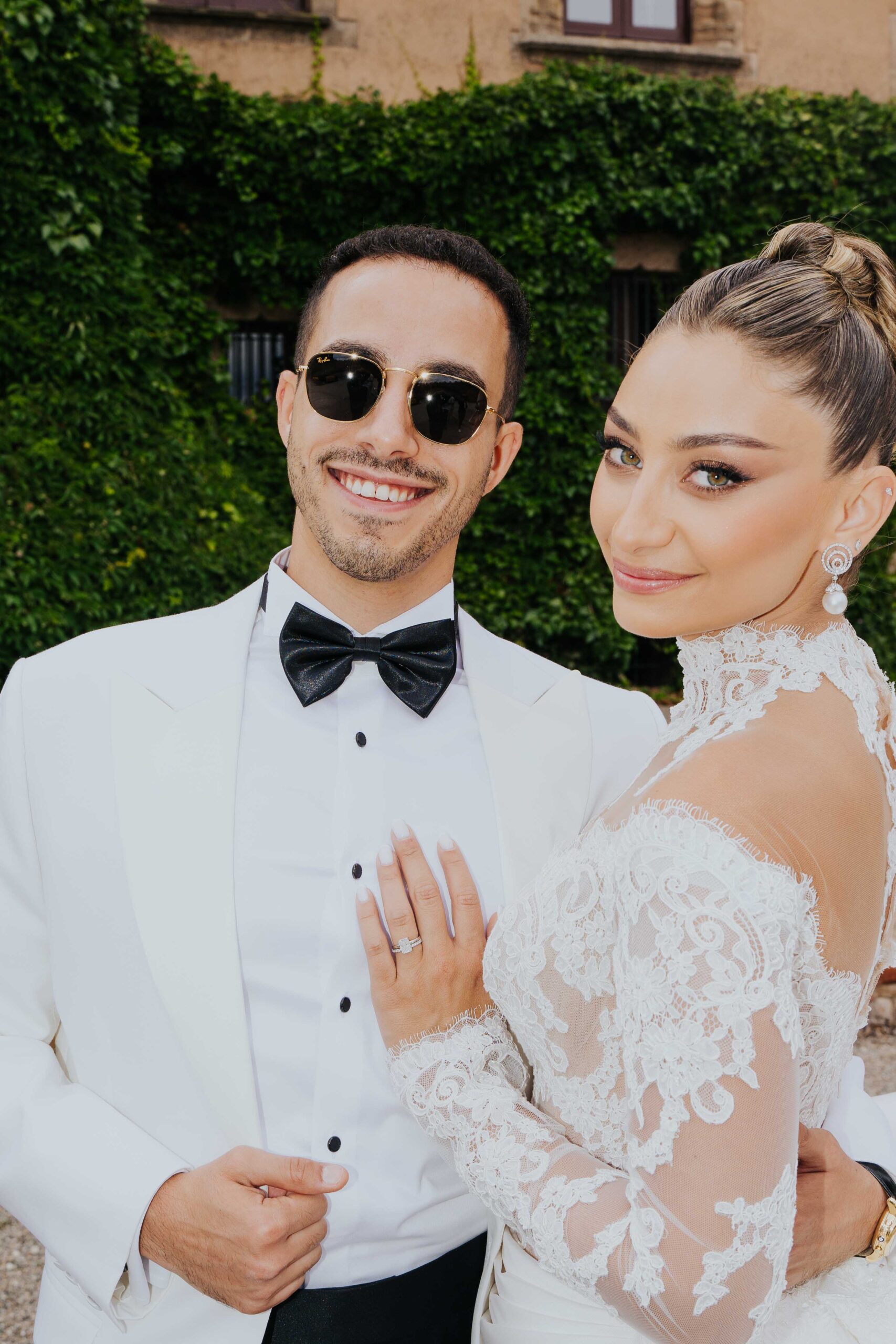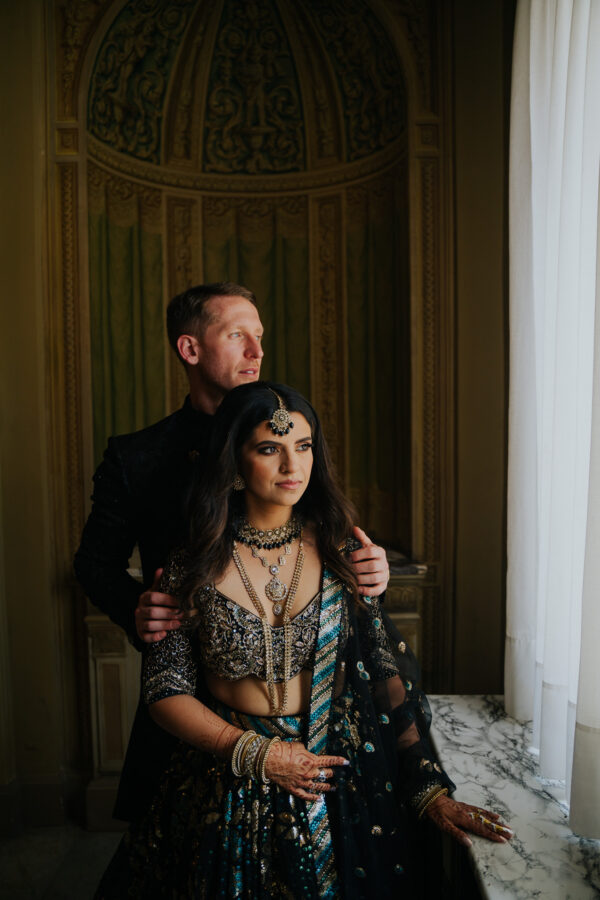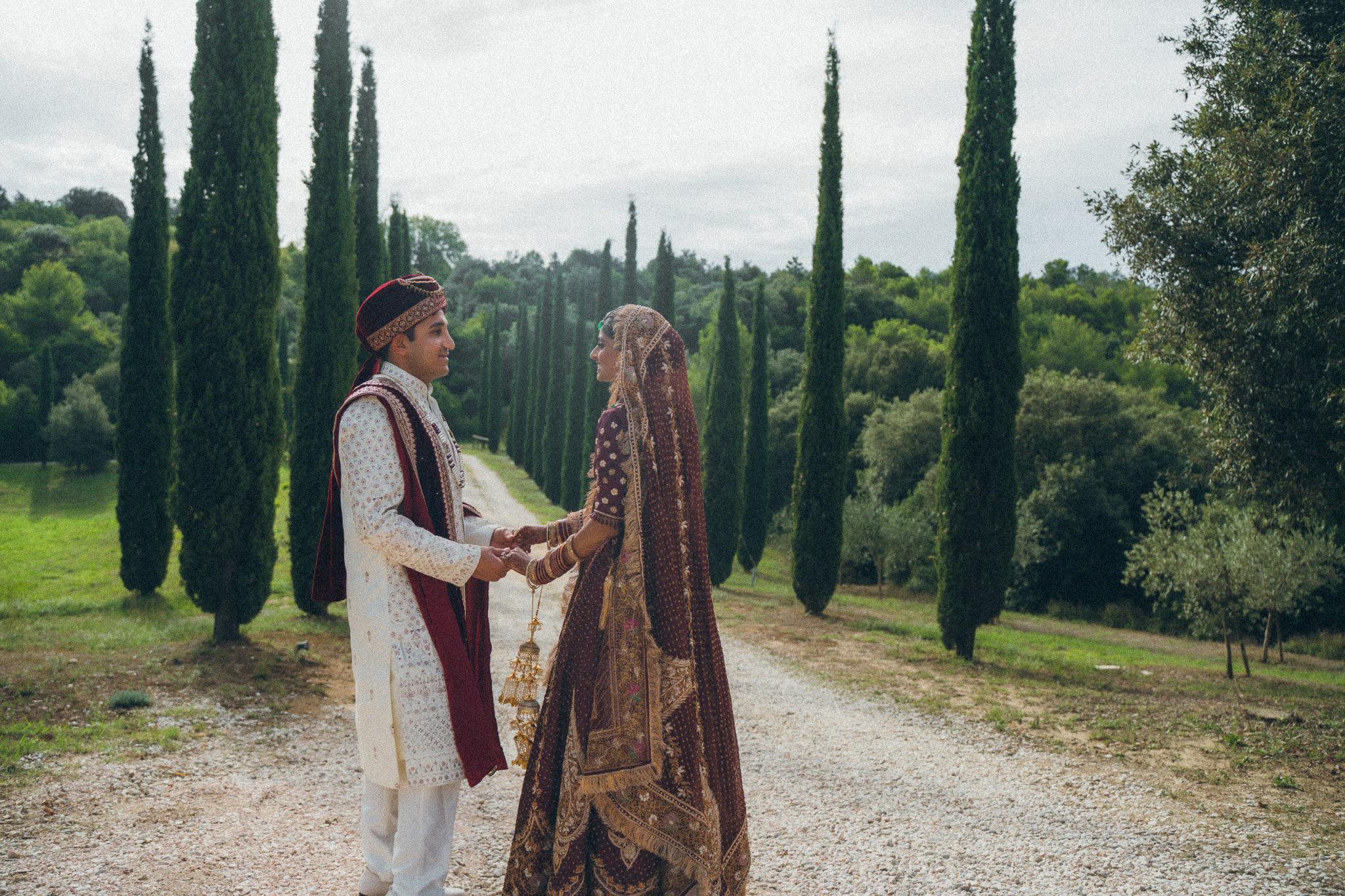
WeddingSutra Photography Awards jury · Featured on WeddingSutra · Featured in Casar-se a Catalunya
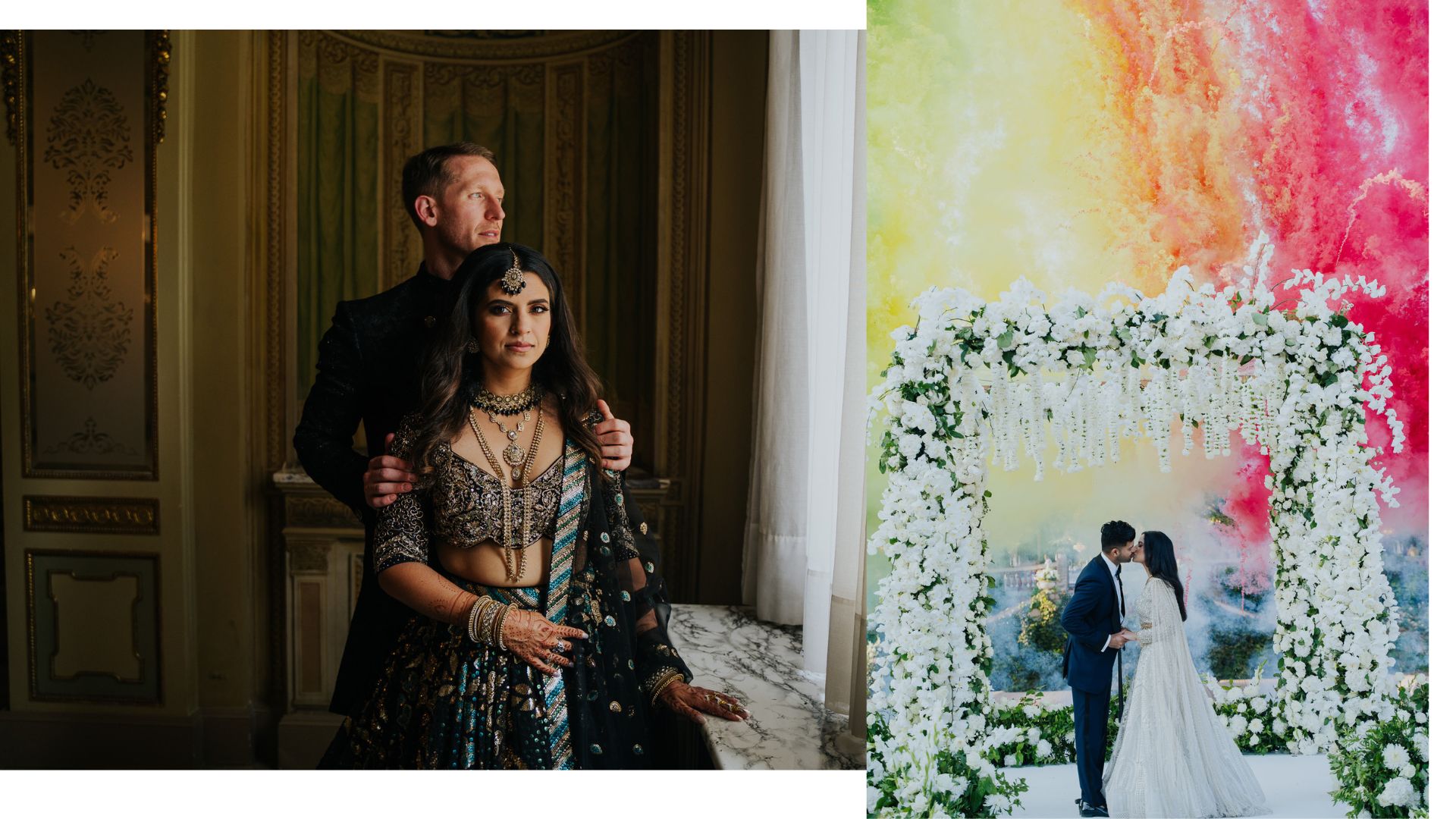
A Hindu wedding is unlike any other celebration. It moves through layers, spiritual, emotional, joyful, sometimes overwhelming, and each ceremony carries meaning that goes back generations. The Mandap is not just a backdrop for a photograph. The Saptapadi is not just a ritual to wait through. These are the moments the couple and their families will return to for the rest of their lives. Getting them right requires something more than a good camera and a fast lens. It requires someone who has stood at the edge of those fires before and knows exactly what is about to happen.
At SuperWeddings, we have been photographing and filming Hindu weddings in Spain since 2016. More than 200 Indian celebrations later, spanning Barcelona, Sitges, Marbella, Mallorca, Ibiza and Seville, the Hindu ceremony remains the work we approach with the most care and the most preparation.
This guide explains how we approach Hindu wedding photography in Spain, which ceremonies we prioritise, what you should look for in a photographer, and how to find the right team for a multi-day Hindu celebration in a destination setting.
What Makes Hindu Wedding Photography Different
The Hindu wedding ceremony is not a single event. It is a sequence of rituals, each one layered with meaning, each one moving at its own pace, and photographing it well requires understanding what you are looking at before it begins. A photographer who is encountering the Saptapadi for the first time on your wedding day is already too late. They do not know which of the seven steps to position for. They do not know that the Varmala can happen fast and needs a wide angle to capture the reaction of the whole family. They do not know that the Vidai is coming and that the light will have changed and the family will need space.
The difference between a photographer who knows Hindu weddings and one who does not is visible in the photographs. Missed moments are not recoverable. This is why cultural fluency, not just technical skill, is the most important quality to look for when choosing a Hindu wedding photographer in Spain.
The Hindu Wedding Ceremonies We Cover
Every Hindu wedding is shaped by family tradition, regional background and the couple’s own choices. But most multi-day Hindu weddings in Spain follow a structure we know well.
Mehndi
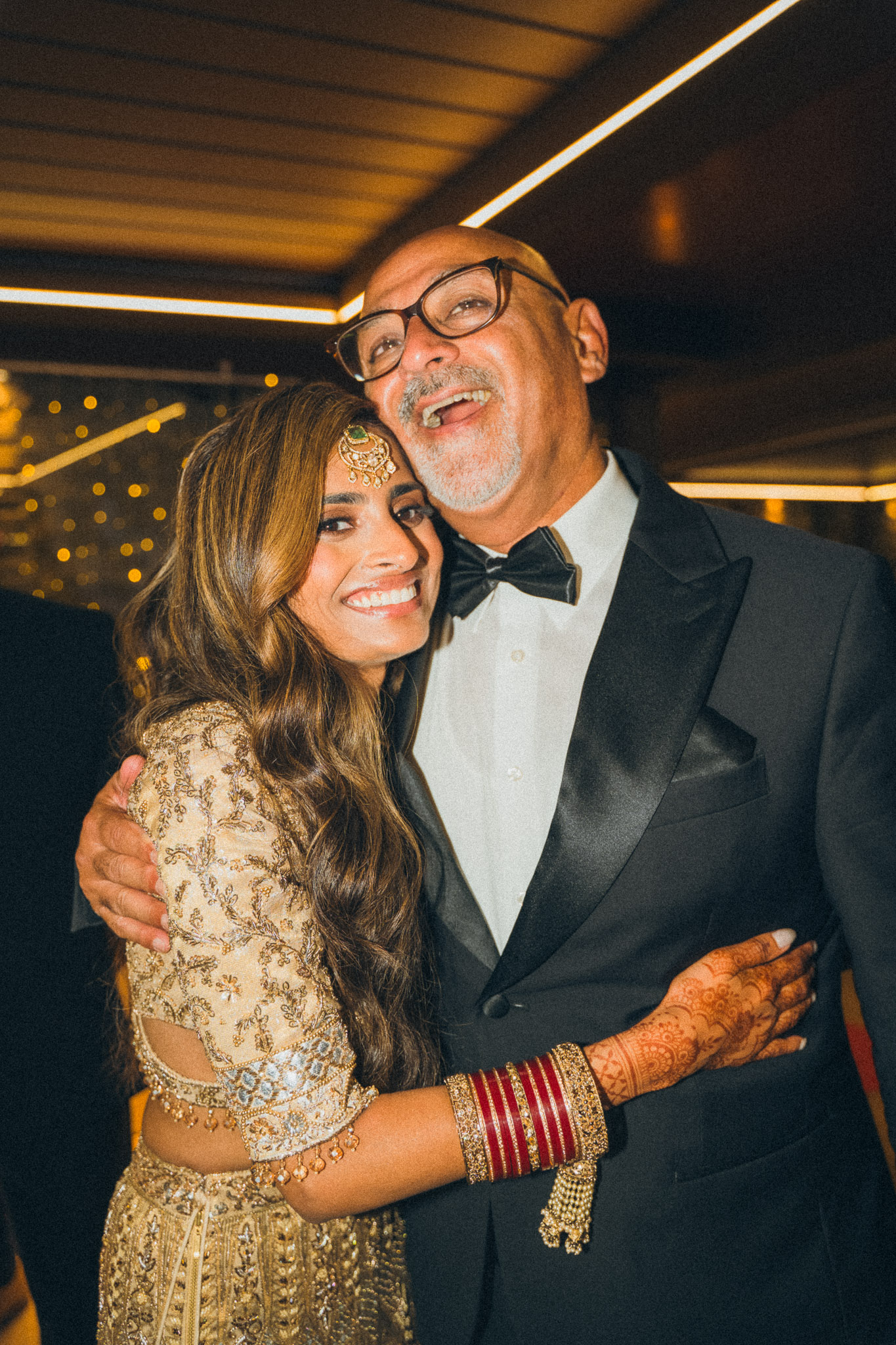
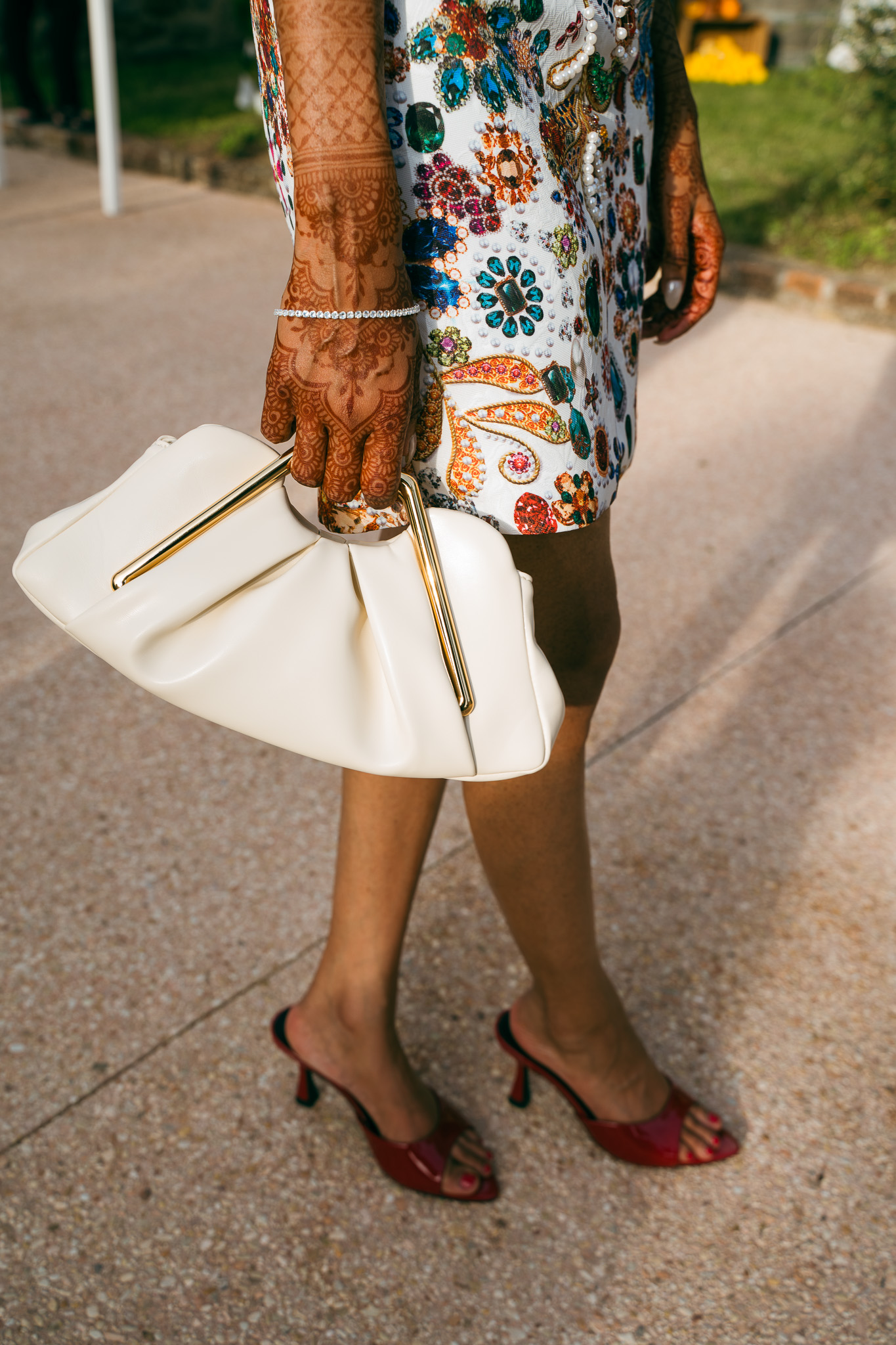
The Mehndi is usually the first event, an afternoon or evening gathering where the bride’s hands and feet are decorated with henna. The atmosphere is warm and relaxed, and this is often where the most candid and joyful photographs happen. We approach the Mehndi with minimal setup and maximum presence, letting the moment breathe rather than directing it.
Haldi
The Haldi ceremony, turmeric paste applied to the bride and groom by family members, is chaotic, joyful and deeply photogenic. It moves quickly and the light is rarely ideal. We know to position early, to expect the unexpected, and to protect equipment while staying close enough to capture the real expressions. The Haldi is one of the most visually interesting ceremonies in any Hindu wedding and requires a photographer who has done it before.
Sangeet
The Sangeet, an evening of music, dance and performances, is a high-energy event that typically runs late. The lighting is often dramatic and the performances are a centrepiece of the celebration. We use multiple camera positions and adapt to the pace of the evening rather than trying to choreograph it. Two photographers is the minimum for the Sangeet, because there is too much happening in too many directions for a single operator.
Baraat
The Baraat, the groom’s procession, typically accompanied by a dhol player and the whole groom’s family, is one of the most cinematic sequences in any Hindu wedding. It is loud, joyful and unpredictable. We follow the Baraat, not just observe it. Getting in front, moving with it, staying close enough to capture the energy without disrupting it, this is something you develop through experience, not instruction.
Pheras: The Ceremony
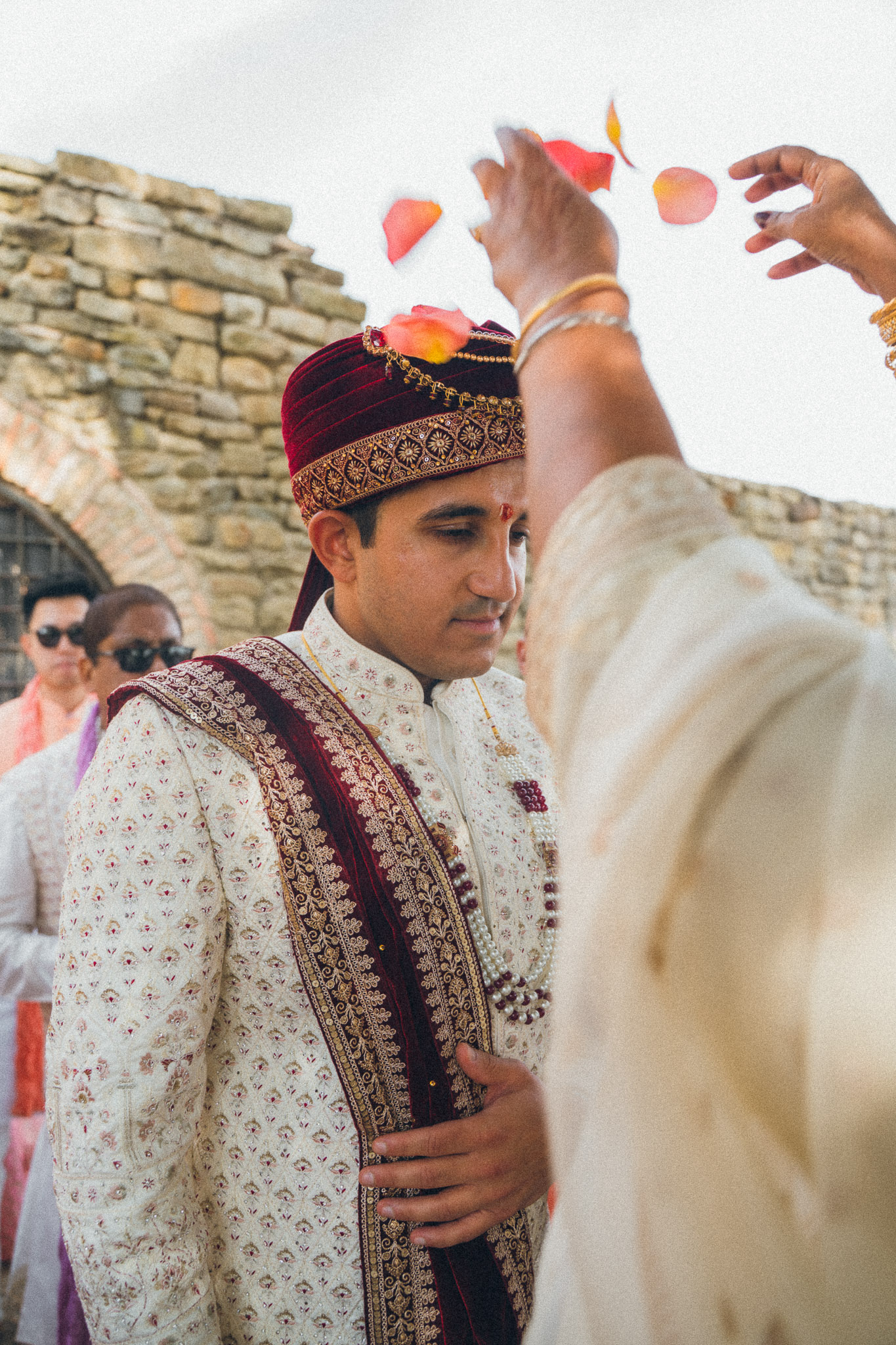
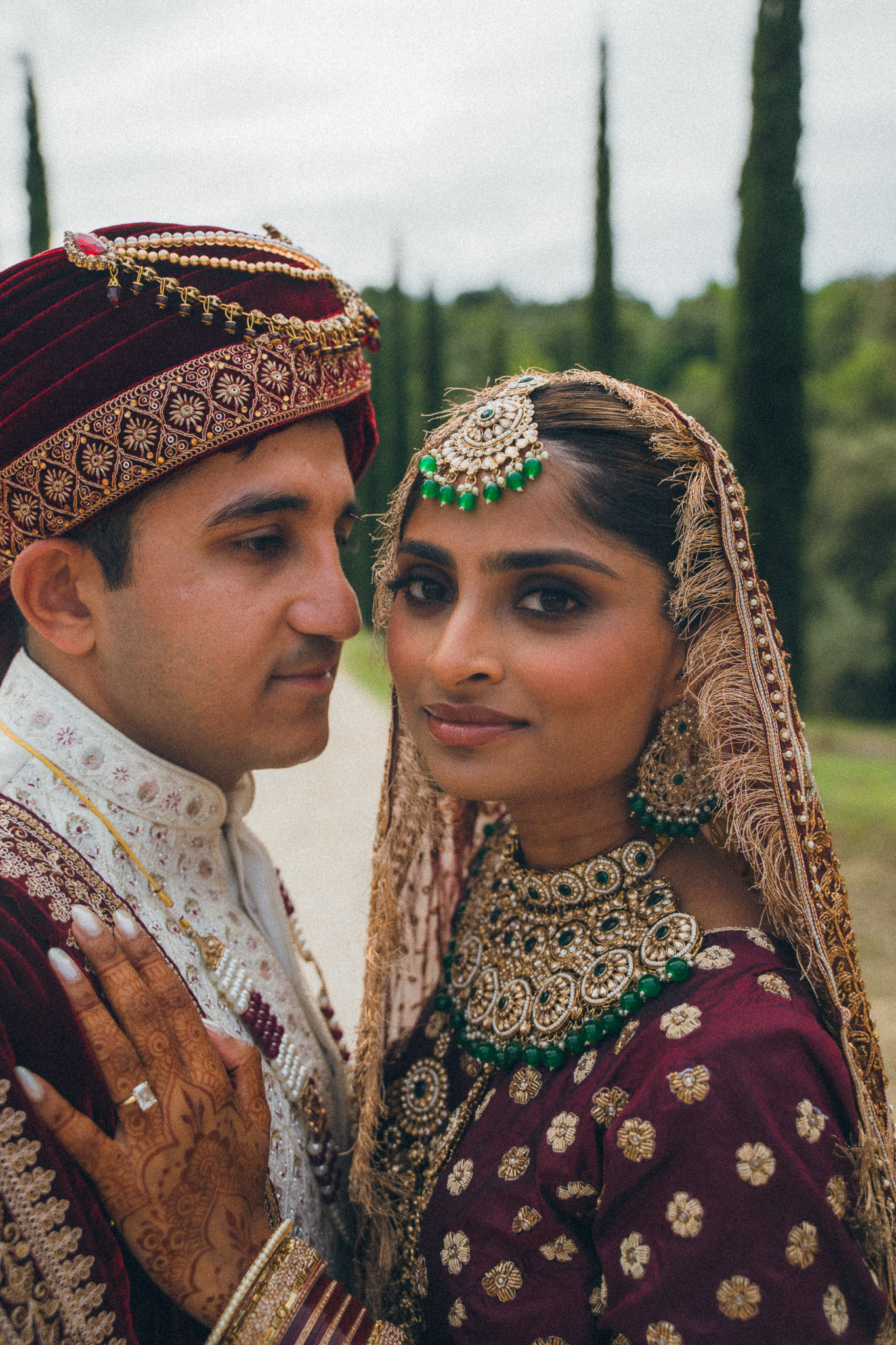
The Pheras, the seven circumambulations of the sacred fire, are the ritual centre of a Hindu wedding. Each step carries a vow. The whole ceremony, from the Ganesh Puja to the Saptapadi to the Sindoor and Mangalsutra, unfolds at the pace of the Pandit and the family. We have multiple camera positions, always, to cover the couple, the Pandit, the families and the fire simultaneously. This is not a moment that can be recreated.
Vidai
The Vidai, the bride’s departure from her family, is one of the most emotionally intense moments of the entire wedding. It arrives suddenly, often at the end of a very long day, and the emotions it carries are unlike anything else in the celebration. We prepare for it. We know it is coming. We give it space.
Hindu Weddings in Spain: Why It Works
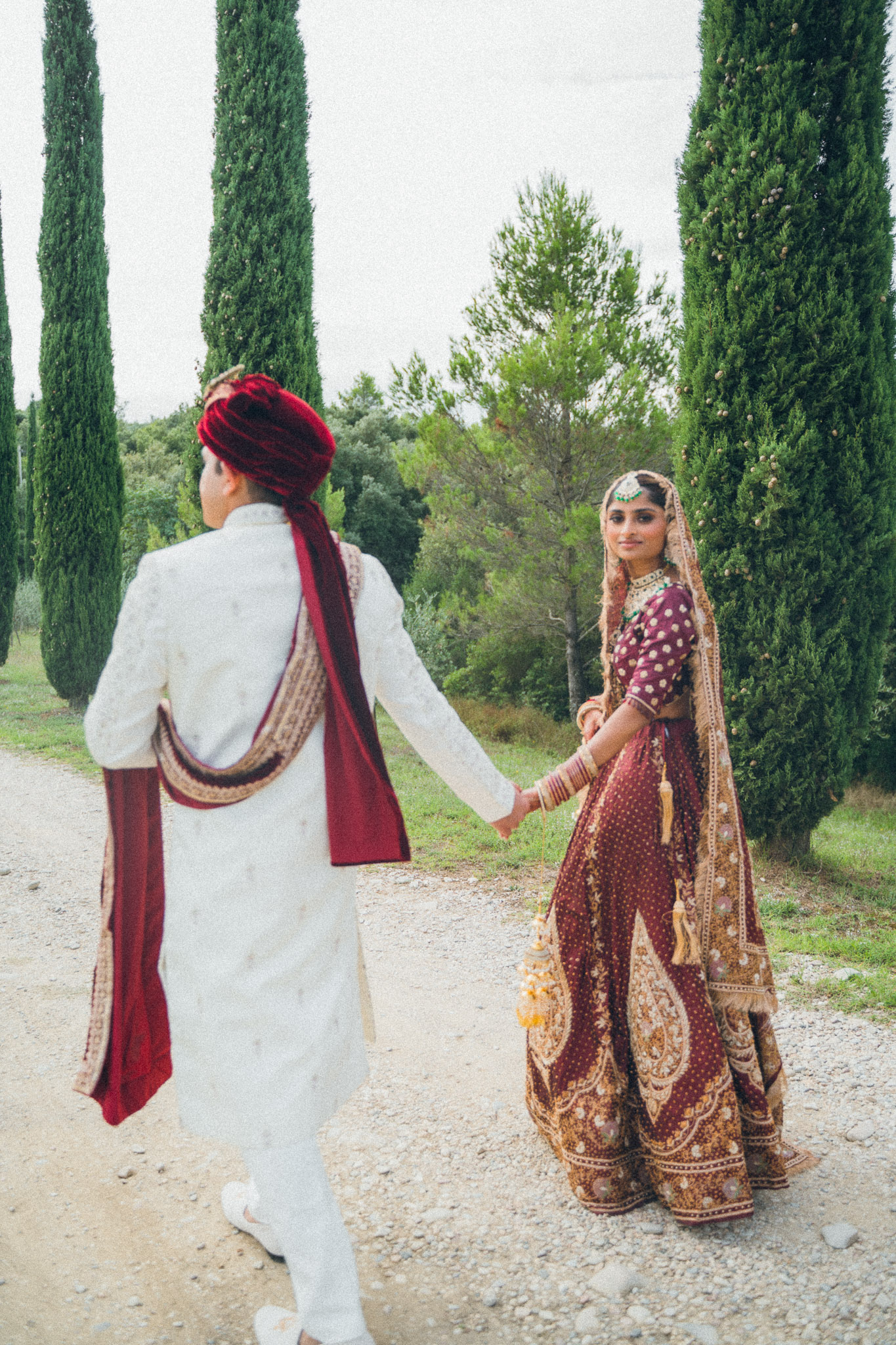
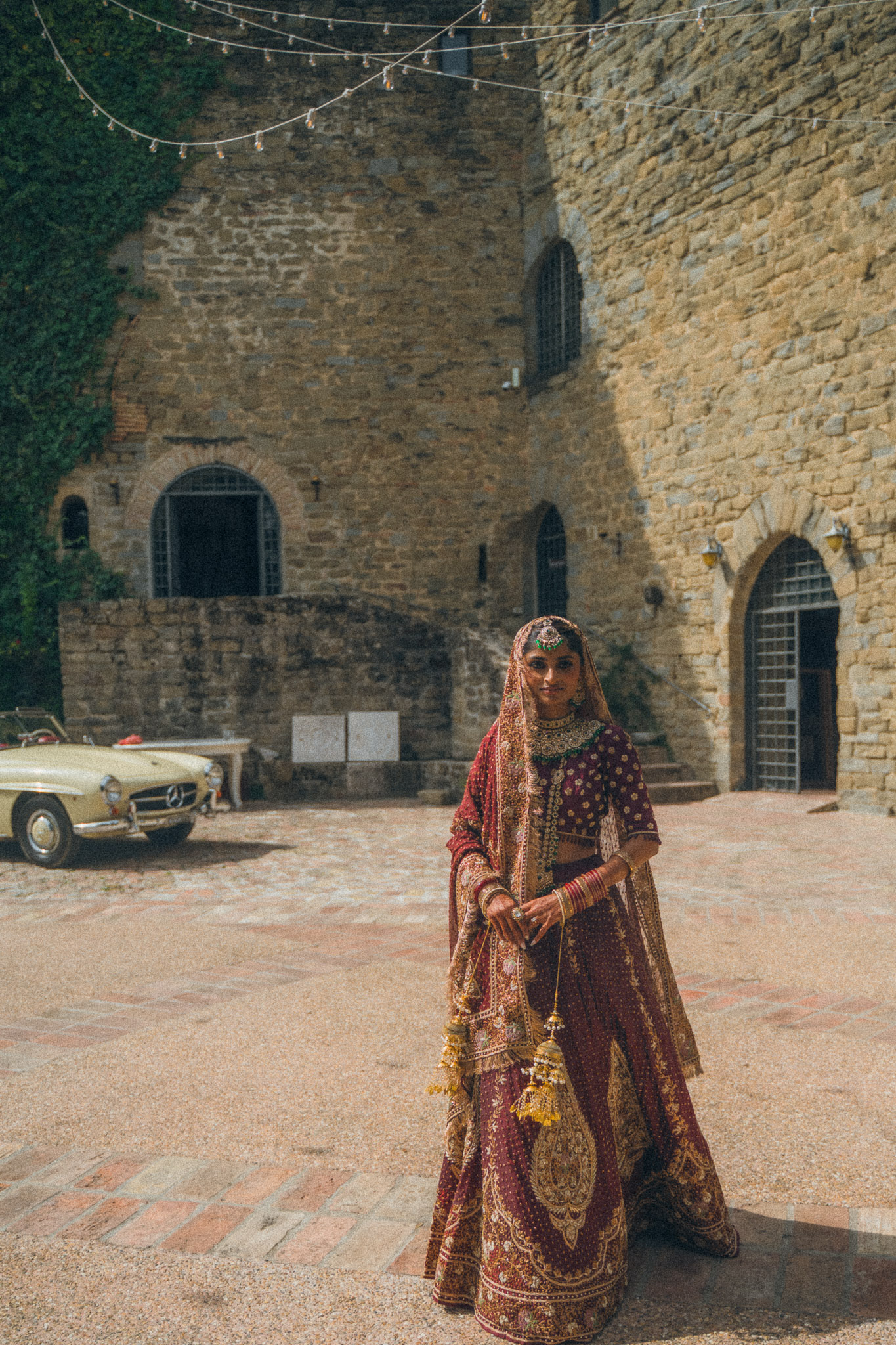
Spain has become one of the most popular destinations in Europe for Hindu weddings, and the reasons go beyond the weather. The venues around Barcelona, Sitges and Marbella have the scale and infrastructure that multi-day Hindu celebrations require. Large outdoor spaces for the Baraat. Multiple rooms for different events. The capacity to accommodate guests arriving from the UK, the US, India and the Middle East.
The light in Spain is also exceptional for photography, particularly in the mornings and the hour before sunset. The Mandap, framed against a Catalonian estate or an Andalusian garden, creates imagery that genuinely cannot be replicated elsewhere. For a full breakdown of the best venues for Hindu weddings across Spain, see our Indian wedding venues Spain guide.
What to Look for in a Hindu Wedding Photographer in Spain
Ceremony-specific knowledge. Ask them about the Pheras. Ask what they do during the Saptapadi. Ask where they position for the Varmala. If they describe these moments generically, they have not photographed many Hindu weddings. The ceremonies are specific, and the photography needs to be specific too.
Experience with Indian families. Large Hindu weddings involve a lot of people and a lot of competing requests. A photographer who can navigate this, who knows how to manage a 30-person family photograph quickly, who understands the hierarchy of moments, makes the whole day run better.
Multi-camera capability. No single photographer can cover a Baraat and the bride’s Mehndi at the same time. For a multi-day Hindu wedding, two photographers is a minimum. Three for the ceremony. If you are being offered single-photographer coverage for a full Hindu wedding, ask why.
Photo and video as one team. Having two separate crews during the Pheras creates positioning conflicts that affect the ceremony itself. A unified photo and video team produces better results and causes less disruption. See our Indian wedding photographer Spain page for more on our combined approach, or our Indian wedding videographer Spain guide for the video side.
Hindu Wedding Photography Packages in Spain
Our Hindu wedding photography packages are built around your specific events. A two-day celebration requires a different approach to a four-day event. We discuss your timeline, your traditions and your family’s expectations before we ever talk about pricing.
Photography for a single-day Hindu ceremony in Spain starts from €3,500. Multi-day packages covering all pre-wedding events through to the reception start from €6,900. Combined photography and videography packages begin at €6,990. Travel within Spain is included in all packages. For planner recommendations to work alongside us, see our Indian wedding planners Spain guide.