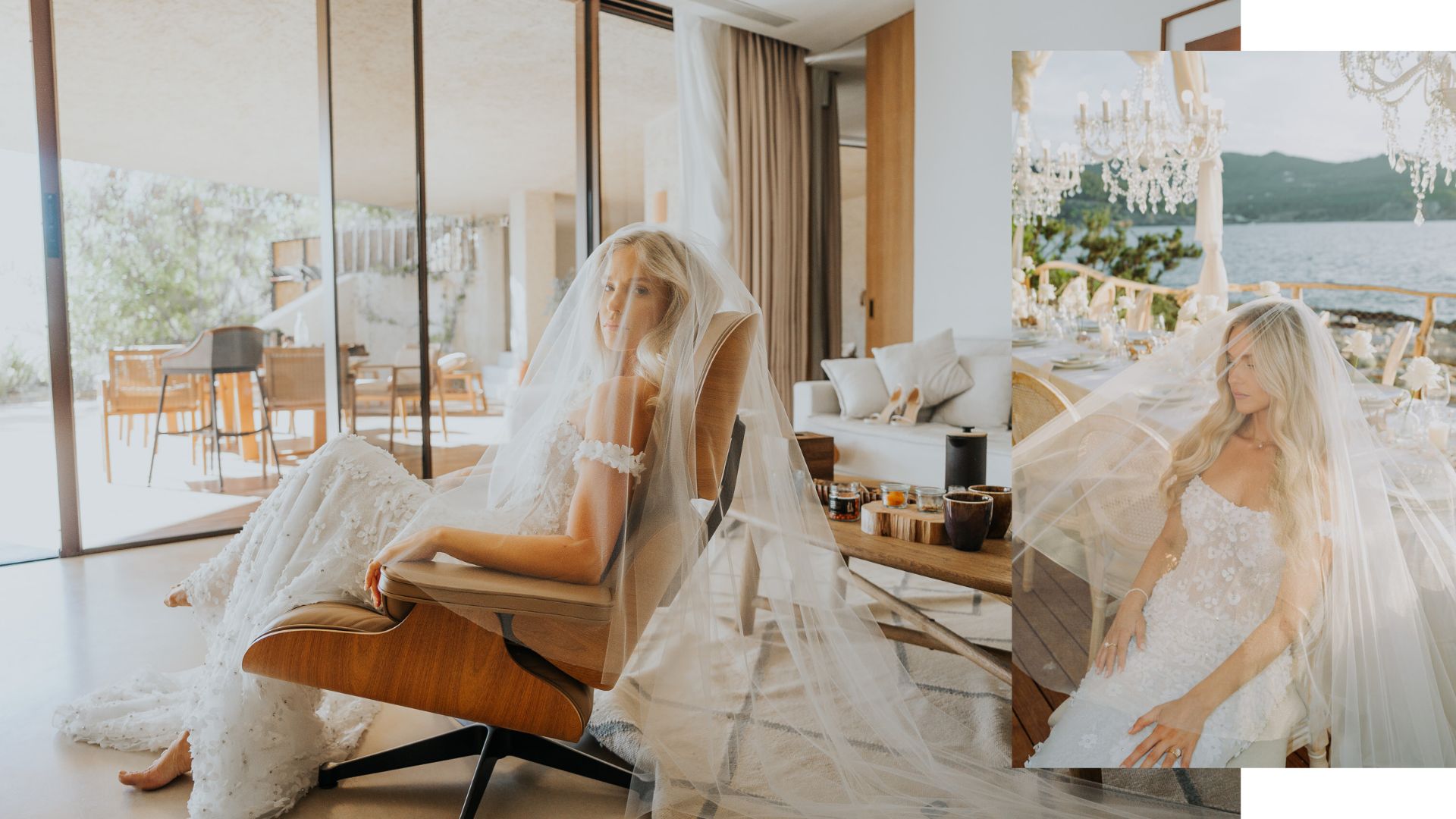
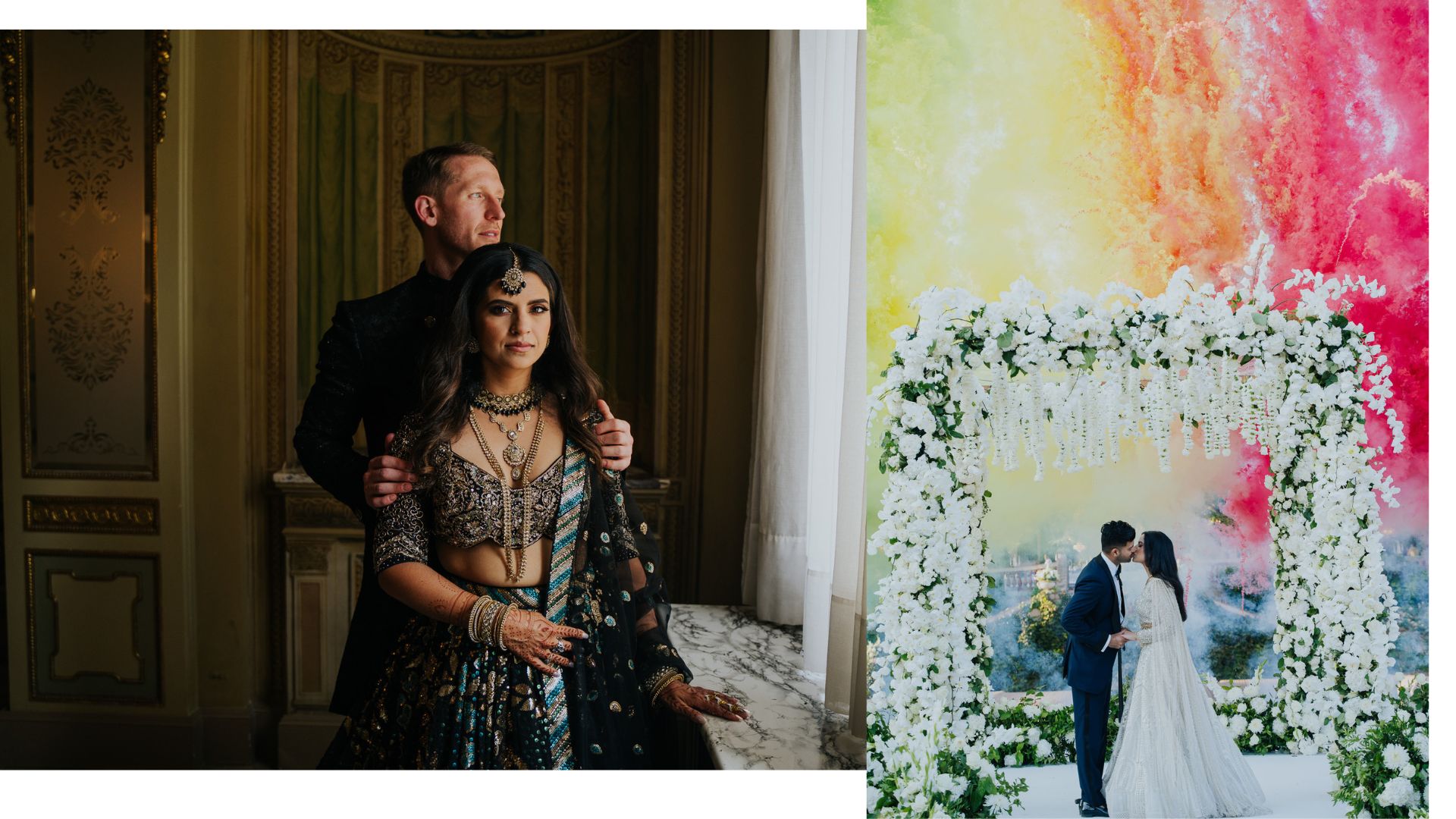
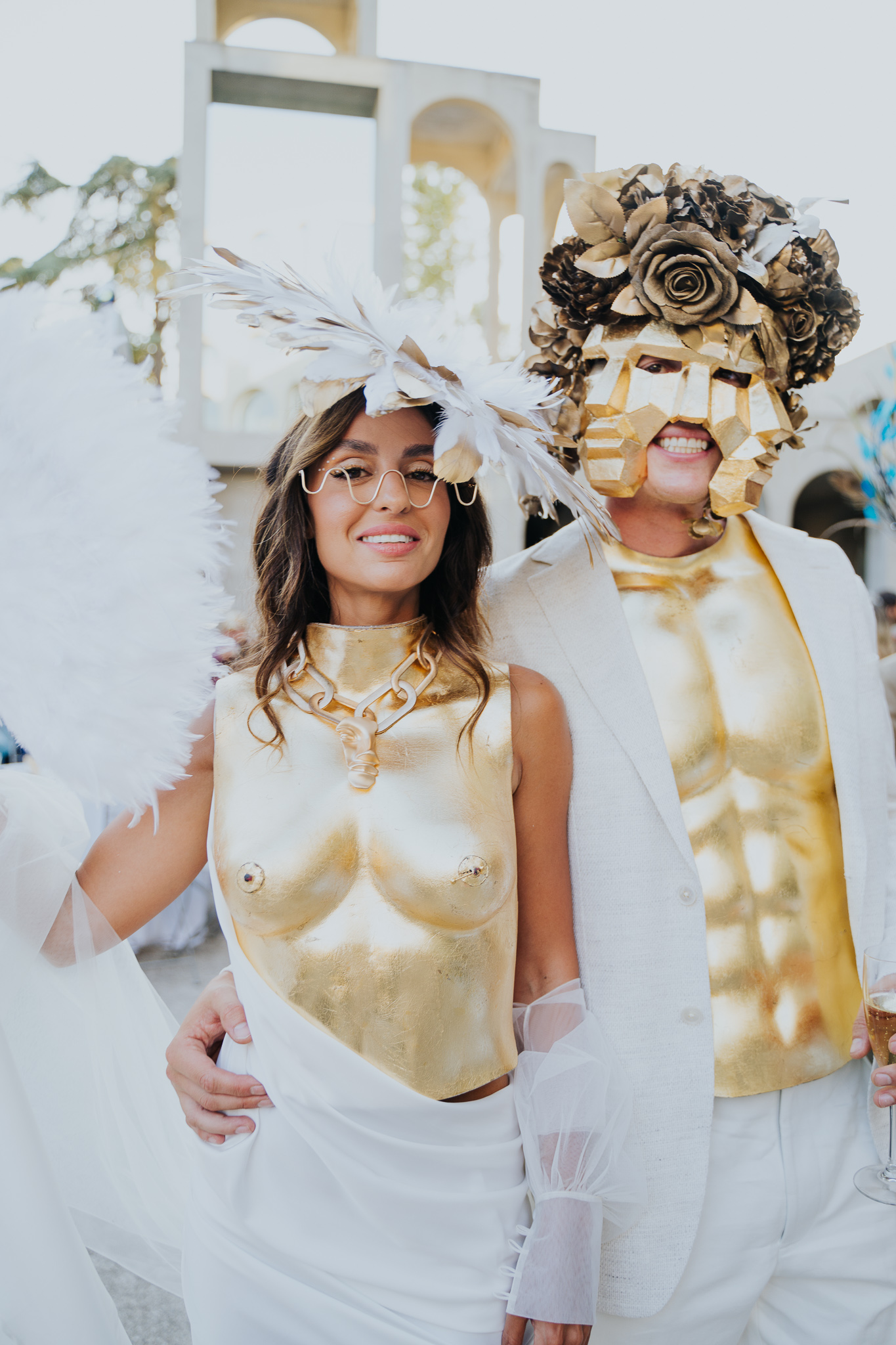
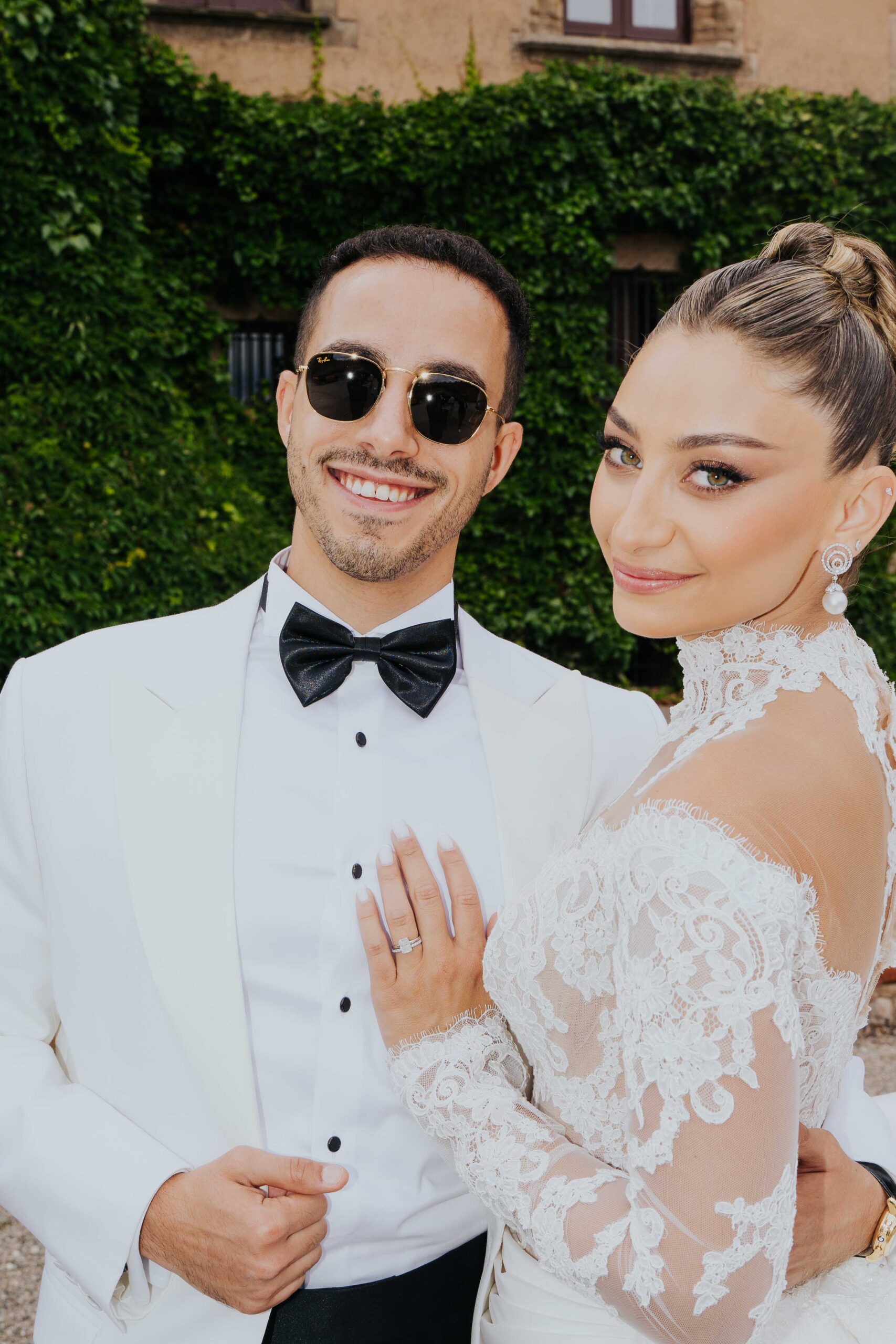
A Jewish wedding in Spain pairs a chuppah ceremony, the breaking of the glass and a hora that runs late into the night with destination-wedding settings most couples only dream about: a palace on the Costa del Sol, a castle outside Barcelona, a rustic finca in Mallorca. More Jewish couples are choosing Spain every year, drawn by its venues, its climate, and its deep bench of destination-wedding vendors who already know how to work around kosher catering, Shabbat timing and a traveling rabbi.
This guide covers what actually matters when planning a Jewish wedding in Spain: where to hold it, whether the ceremony carries legal weight, how to handle catering and timing, and who to call. We have shot real Jewish weddings at three very different Spanish venues, and we have linked to the full story of each one throughout this guide.
Why Couples Choose Spain for a Jewish Wedding
Spain has spent decades building the infrastructure for destination weddings of every kind, multicultural, multi-faith, multi-day, so the pieces a Jewish wedding needs are usually already in place: venues with large gardens that can hold a chuppah and full guest seating, event teams used to coordinating outside caterers, and a planner community that has produced religious ceremonies they did not grow up with. Add direct flights into Madrid, Barcelona, Málaga and Palma, warm weather for most of the year, and venues ranging from countryside estates to beachfront resorts, and it is easy to see why Spain has become a genuine alternative to Israel, the US or the UK for couples who want a destination celebration.
Best Regions for a Jewish Wedding in Spain
Barcelona & Catalonia
Barcelona has one of Spain’s largest Jewish communities, which means easier access to rabbis, kosher suppliers and planners with direct experience. Estates just outside the city, like Castell de Sant Marçal, can host several hundred guests, which suits the large, multi-generational guest lists common at Jewish weddings.
Costa del Sol (Marbella)
Marbella and the surrounding Costa del Sol draw an international, often UK and Gibraltar-connected Jewish community, and the resorts here are built for black-tie, large-scale celebrations. Easy access from Málaga airport makes it a realistic choice for guests flying in from across Europe.
Mallorca
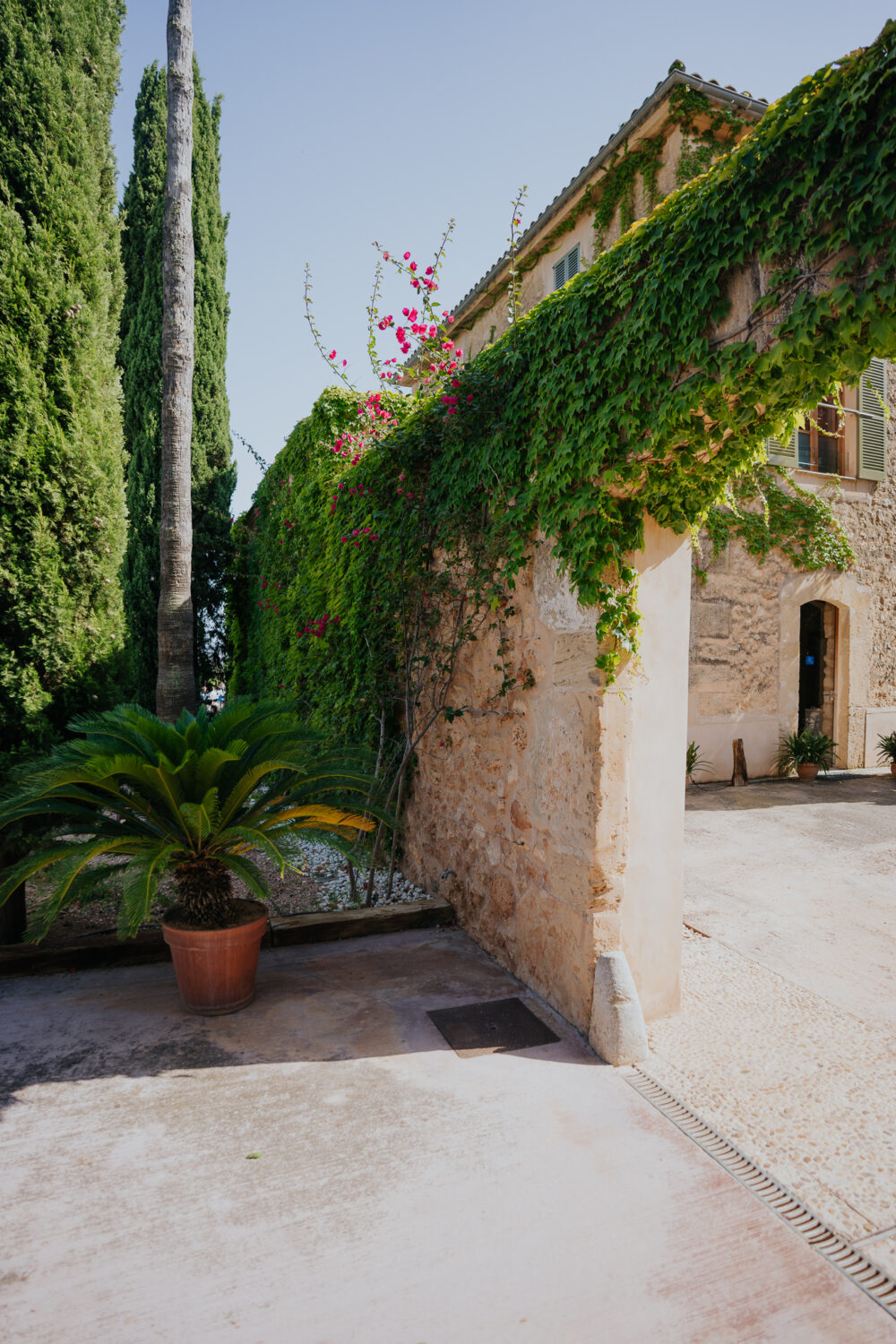
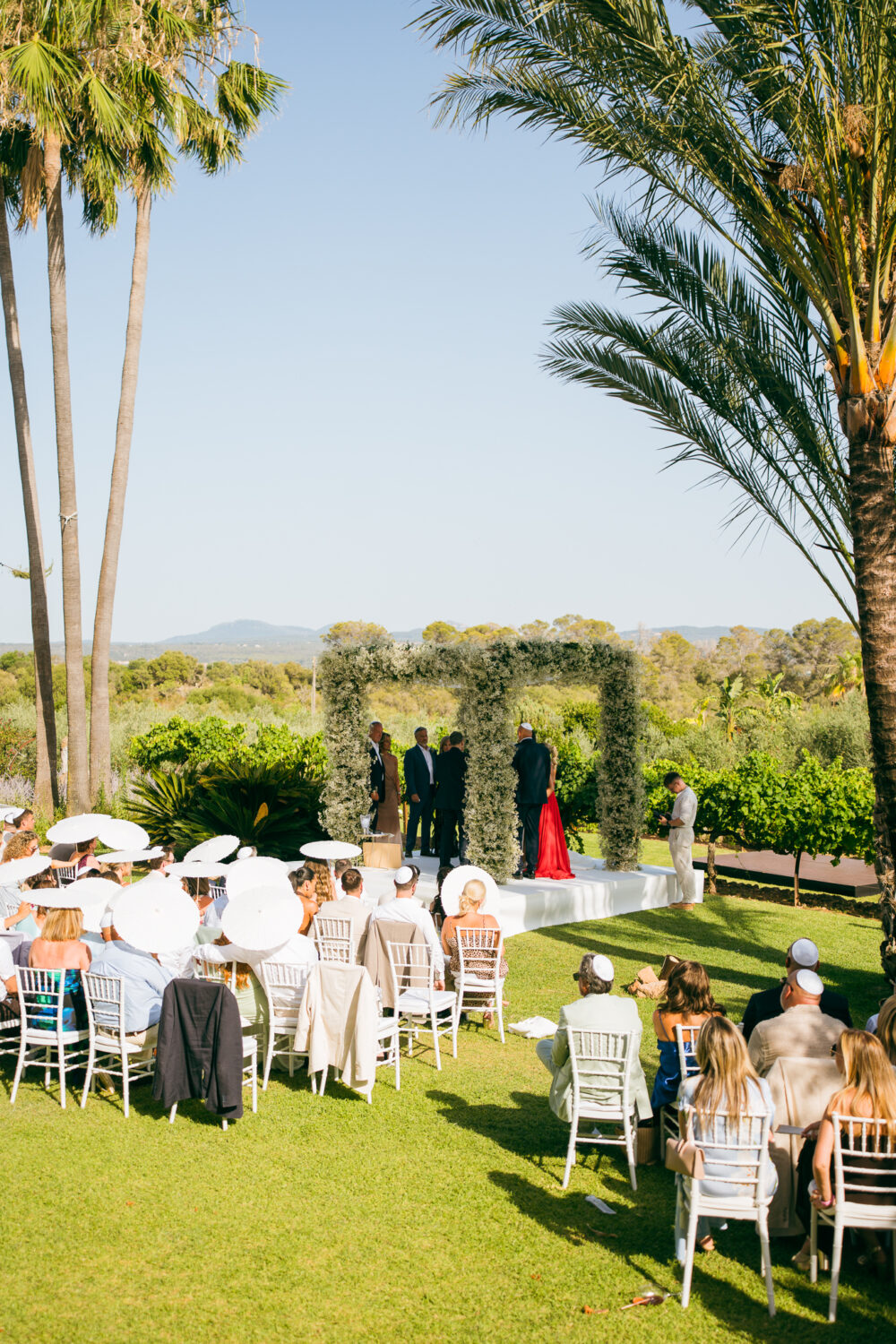
Mallorca’s fincas offer a more rustic, laid-back version of the same celebration, stone courtyards, citrus trees, string lights, without sacrificing the scale a Jewish wedding often needs. Palma’s airport has good connections across Europe, which helps with a destination guest list.
Ibiza
Ibiza suits couples who want a more relaxed, bohemian take on a Jewish wedding, think a sunset chuppah on a finca terrace followed by a party that leans into the island’s nightlife culture rather than a formal ballroom reception.
Canary Islands
Gran Canaria and Tenerife offer year-round warm weather, useful if you want to avoid scheduling around the mainland’s peak summer heat, plus resort venues used to hosting large international weddings.
Real Jewish Weddings We Have Photographed in Spain
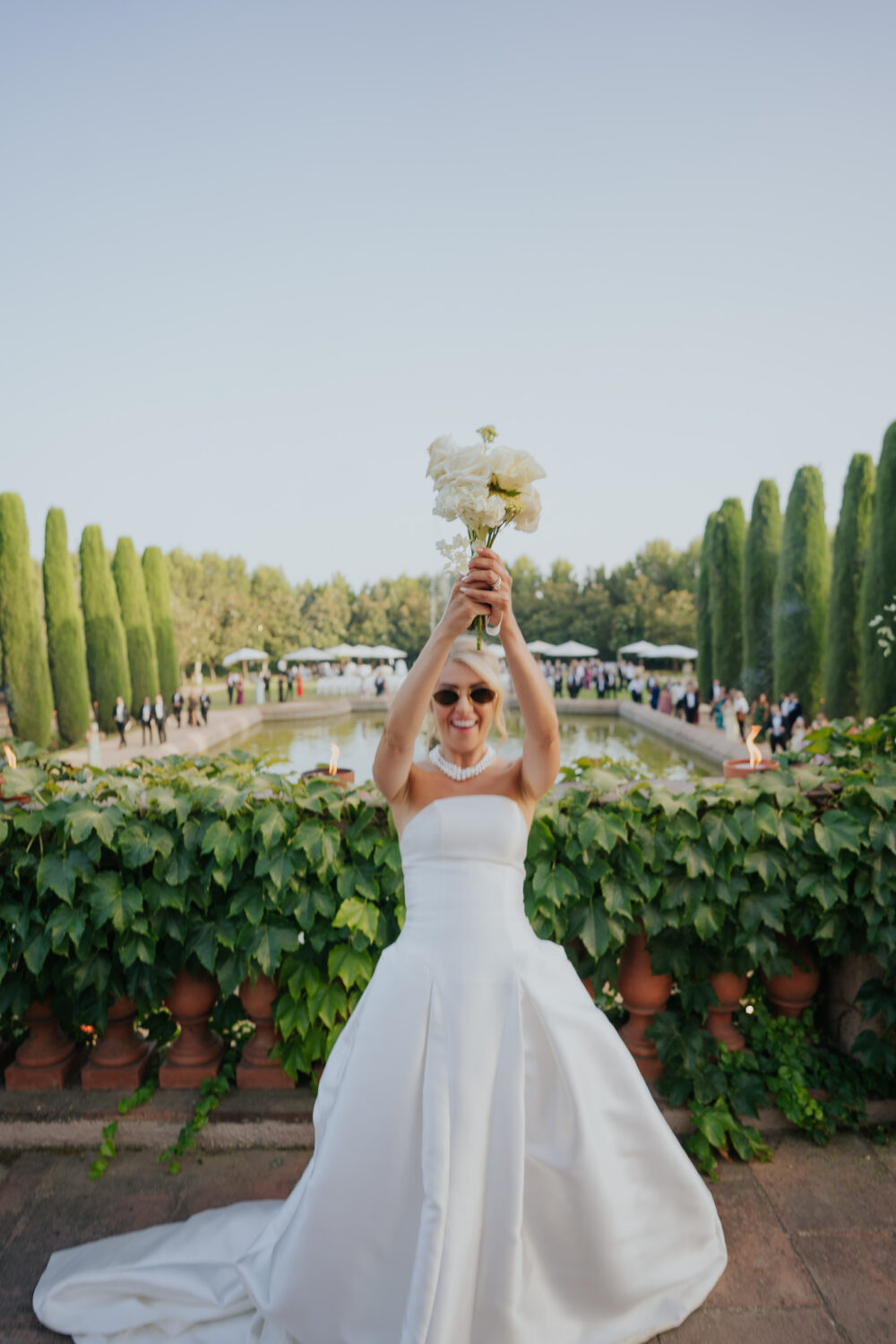
Rather than talk in the abstract, here are three real Jewish weddings we have shot at very different Spanish venues, each with its own full story and practical breakdown.

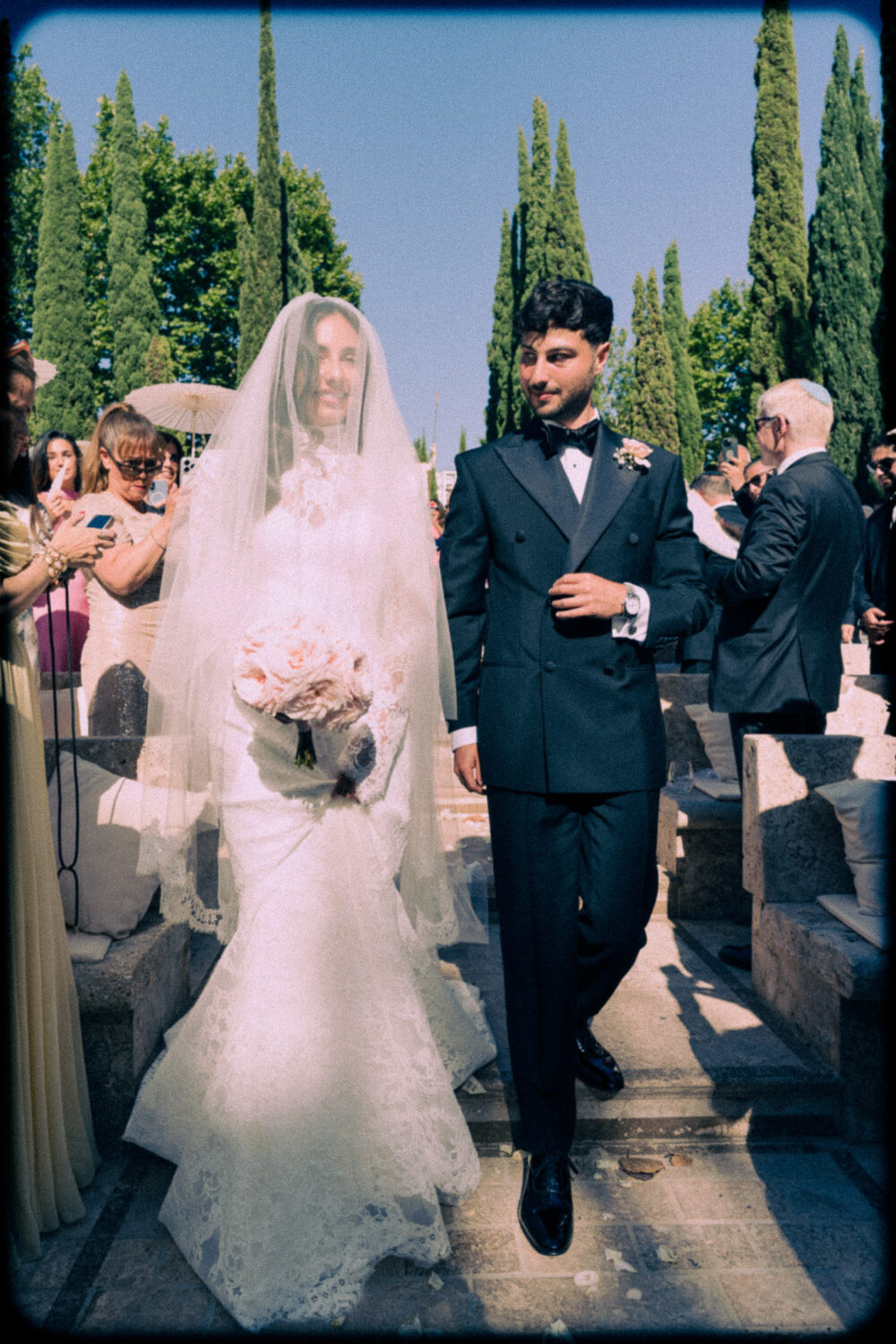
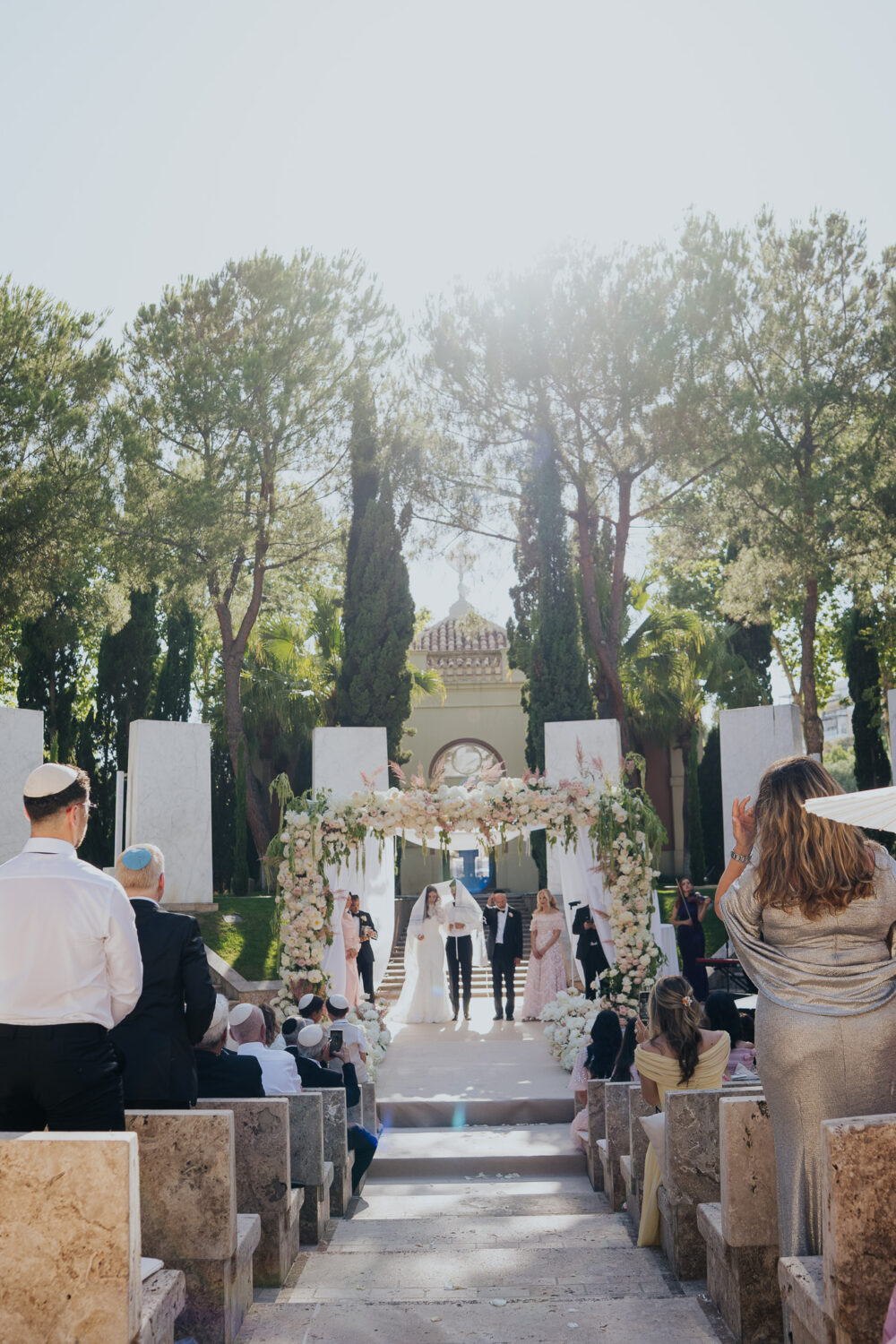
Jewish Wedding at Villa Padierna, Marbella
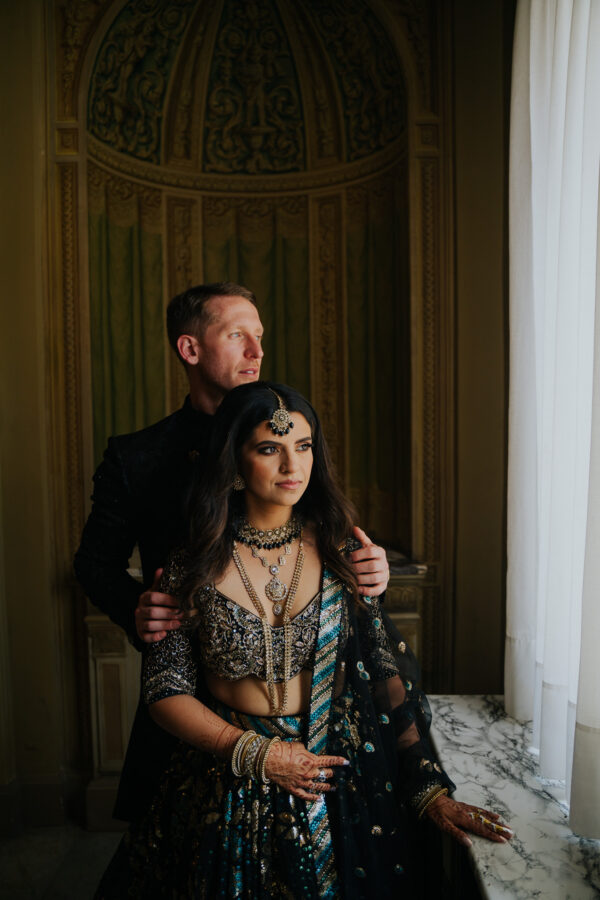
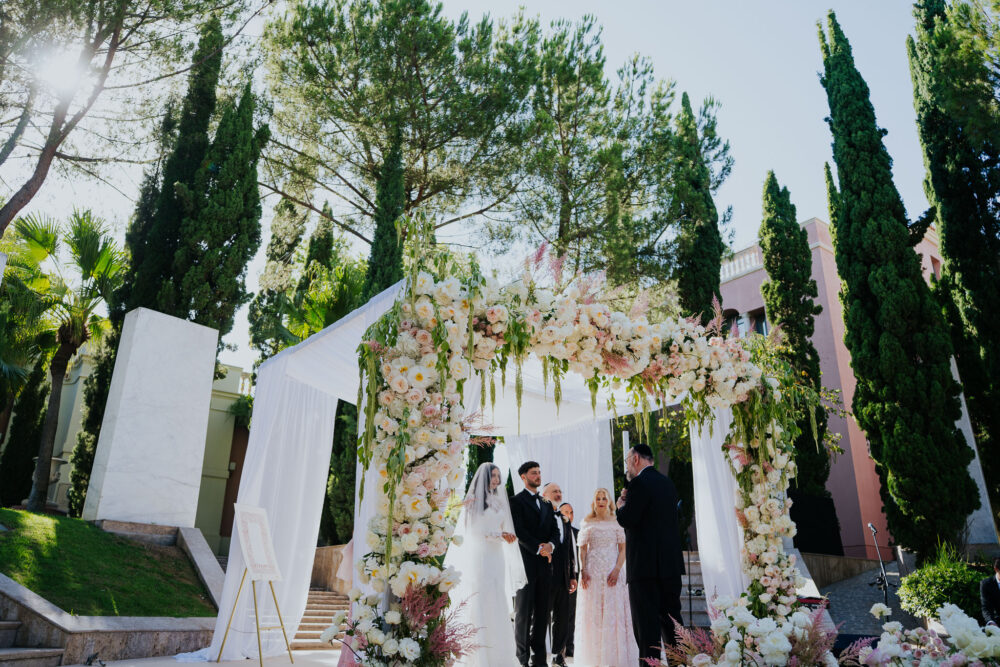
Odeliah & Ben’s black-tie celebration at the Anantara Villa Padierna Palace, with a garden chuppah, a surprise mariachi band and a hora that ran past midnight.
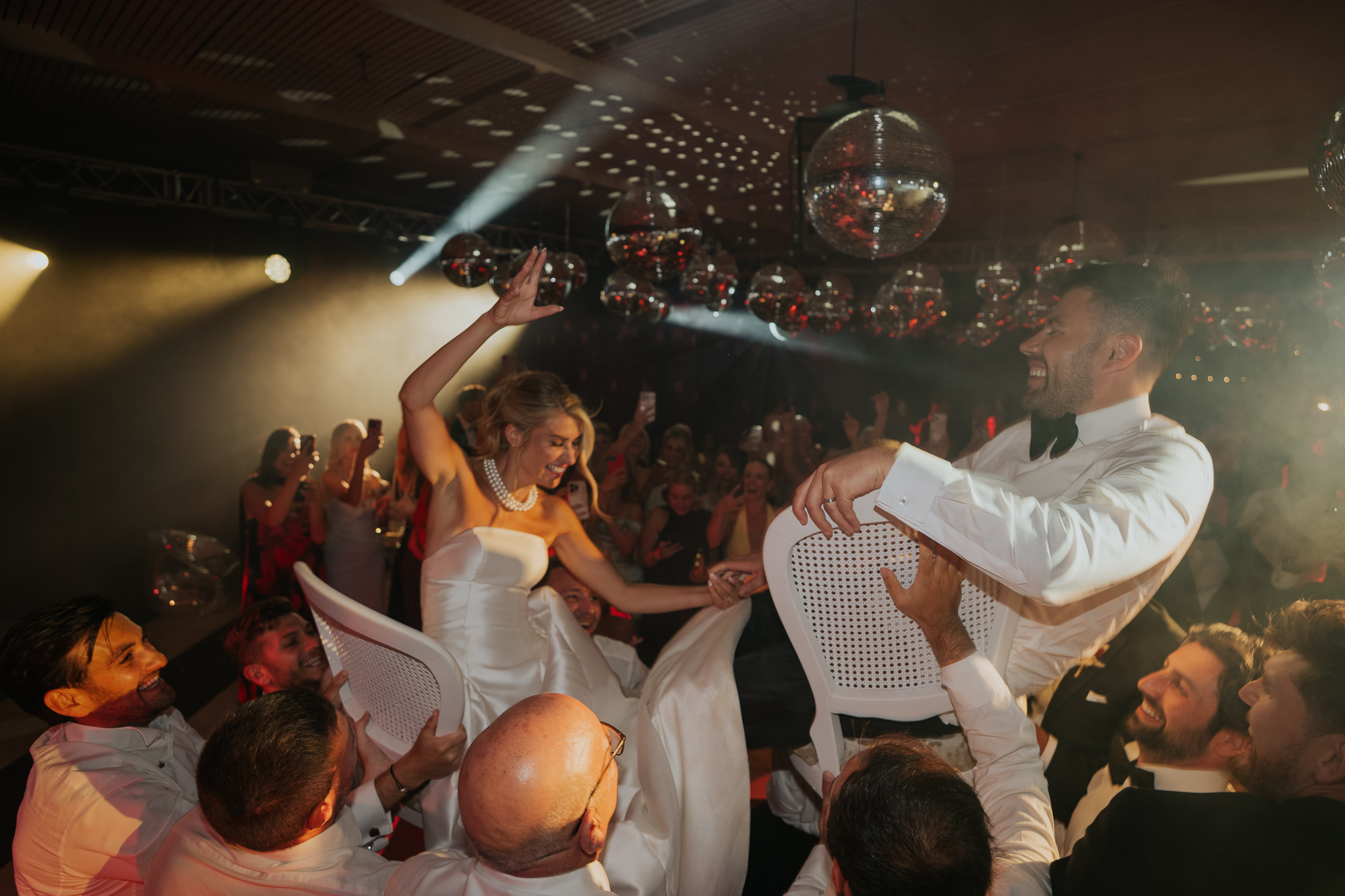
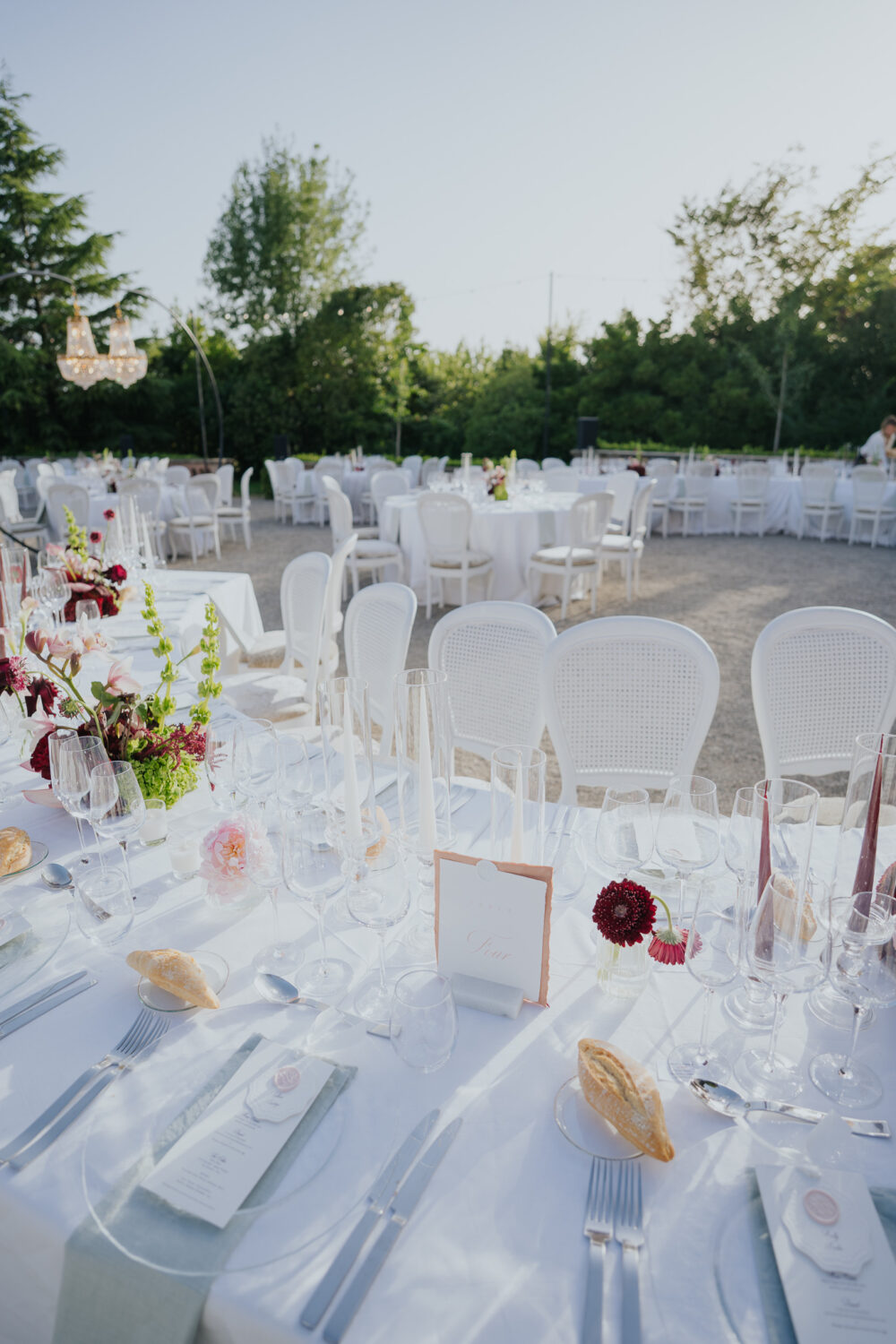
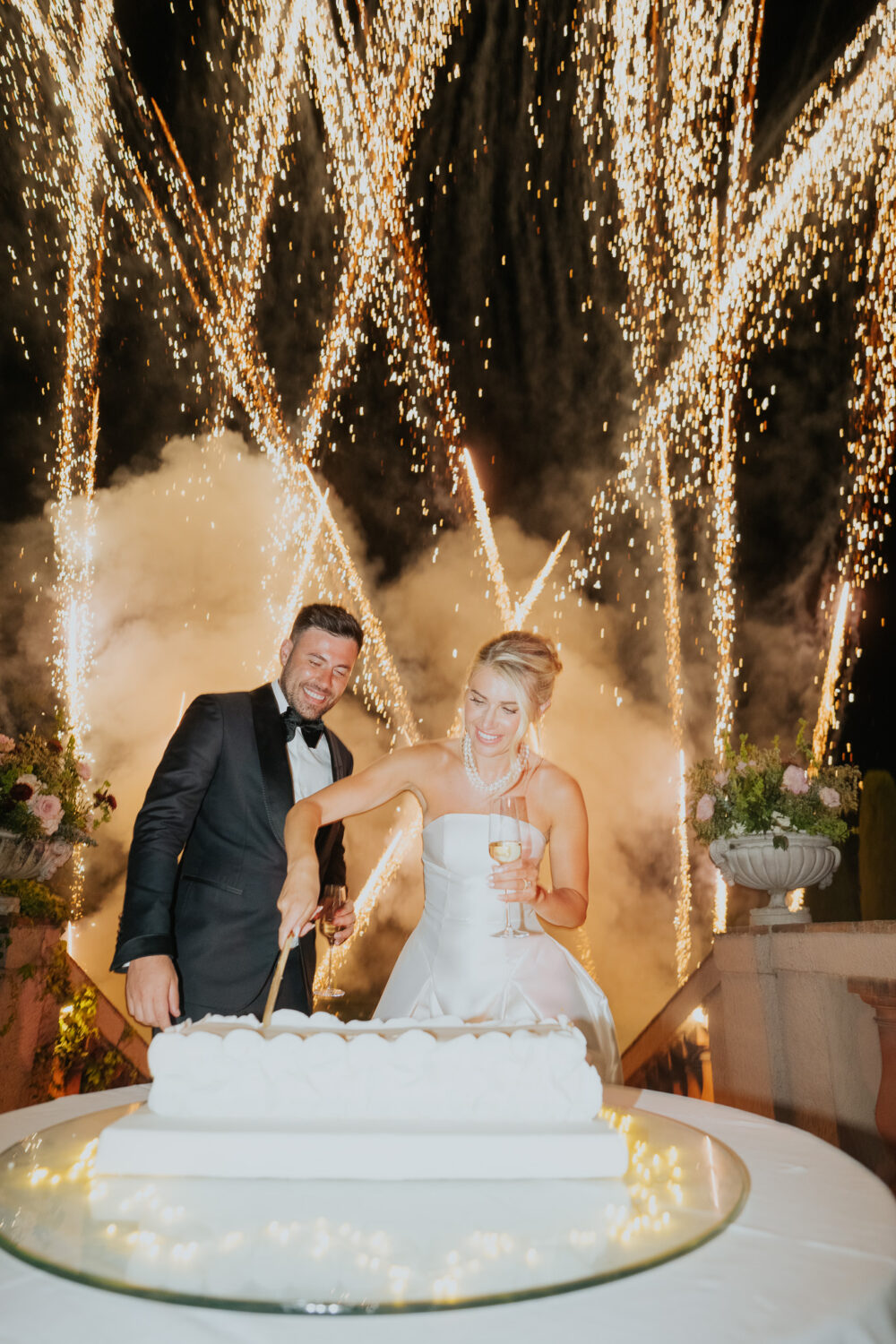
Jewish Wedding at Castell de Sant Marçal, Barcelona
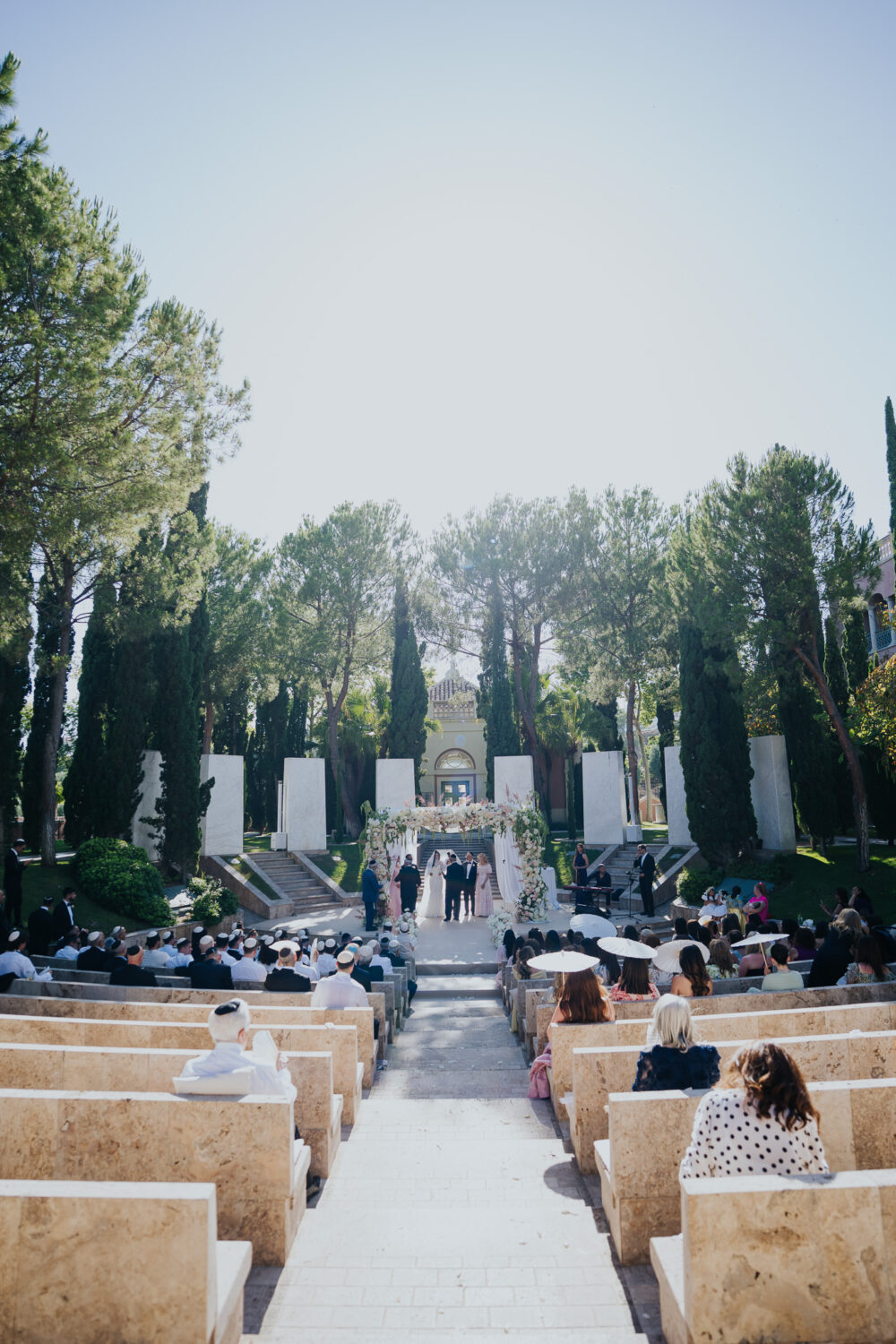
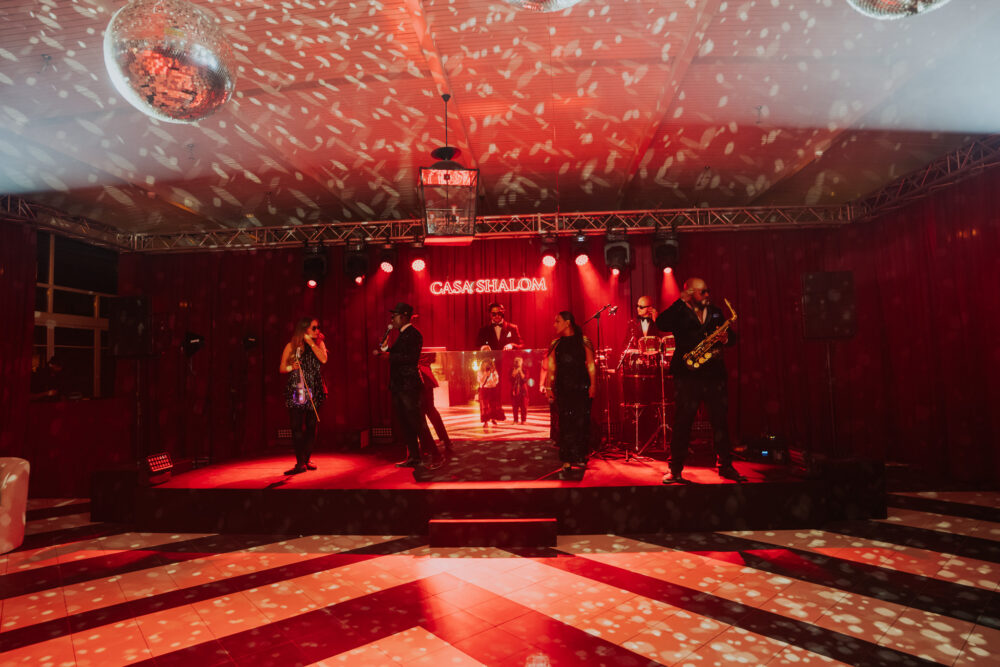
A large-scale celebration at a historic castle twenty minutes from Barcelona, with an outdoor chuppah, a Casa Shalom-branded dance floor and fireworks over the cake cutting.
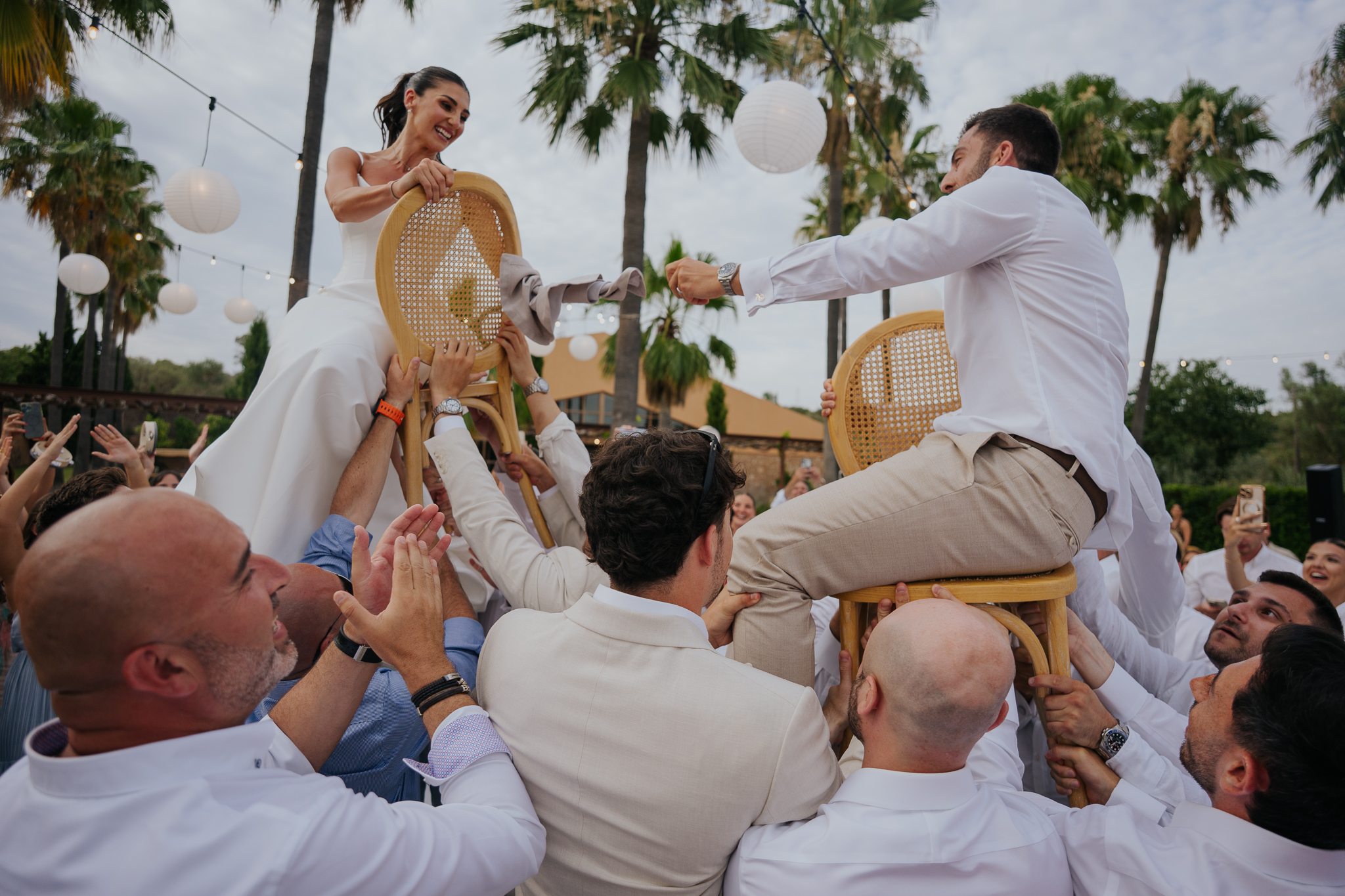
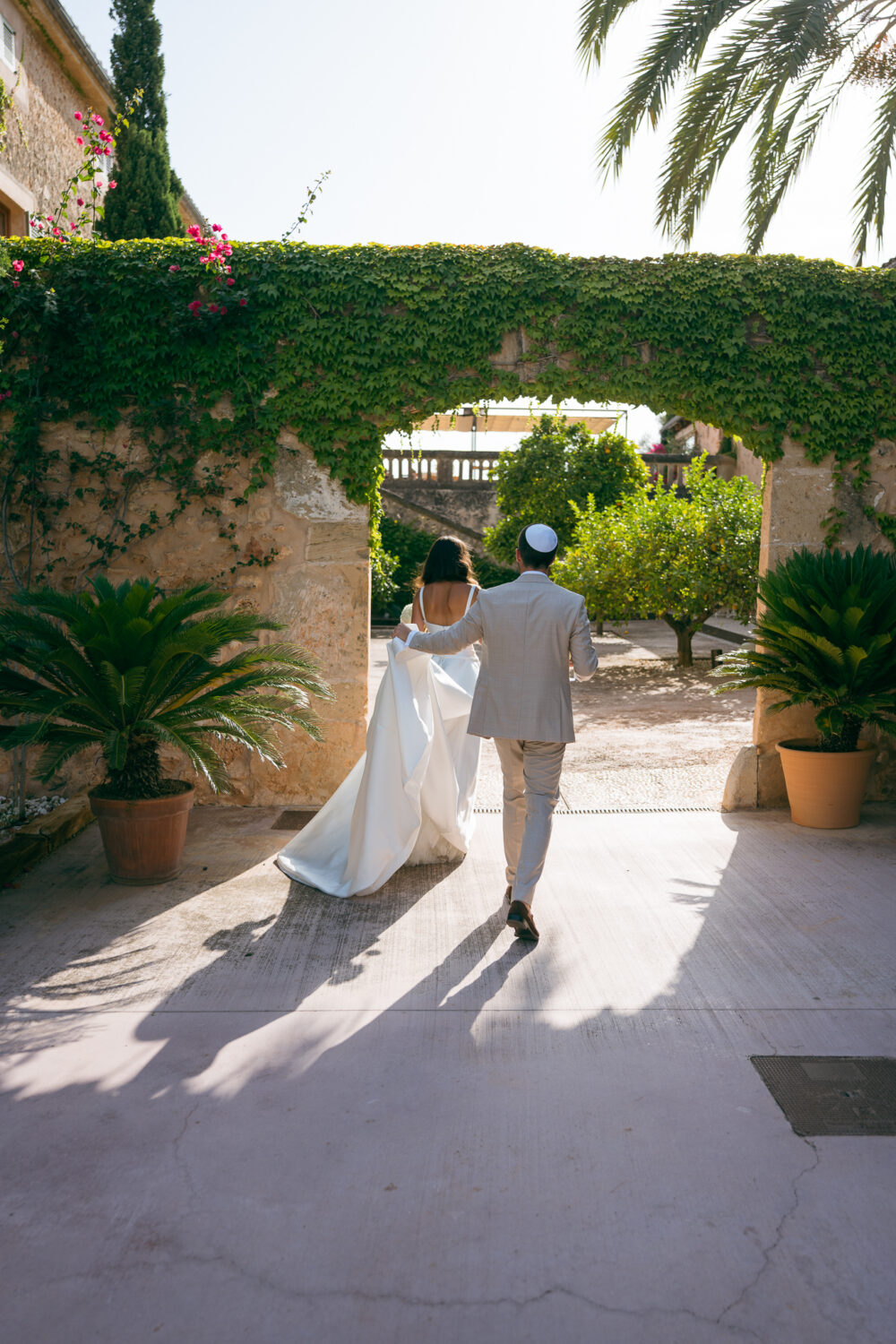
Jewish Wedding at Finca Son Mir, Mallorca
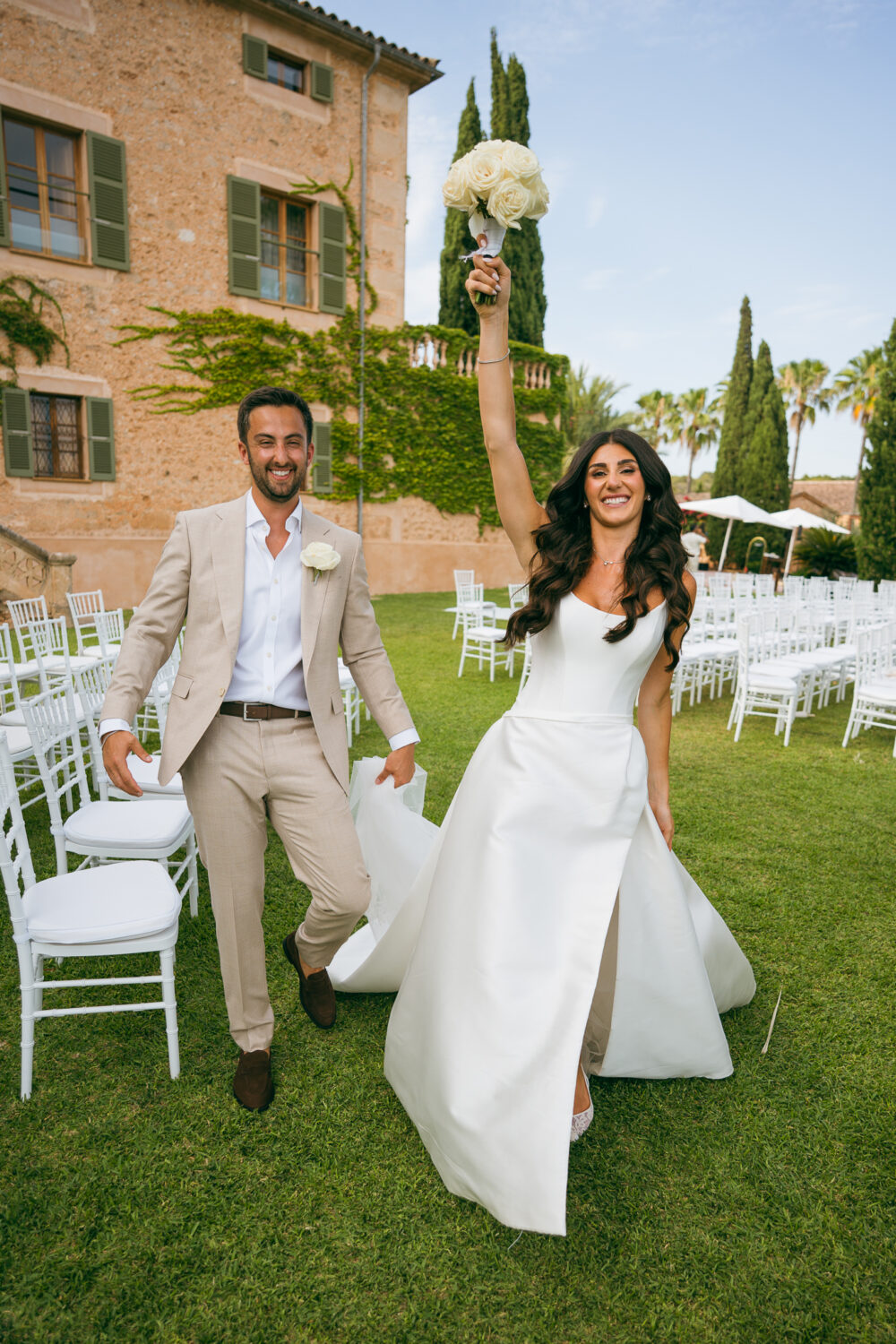
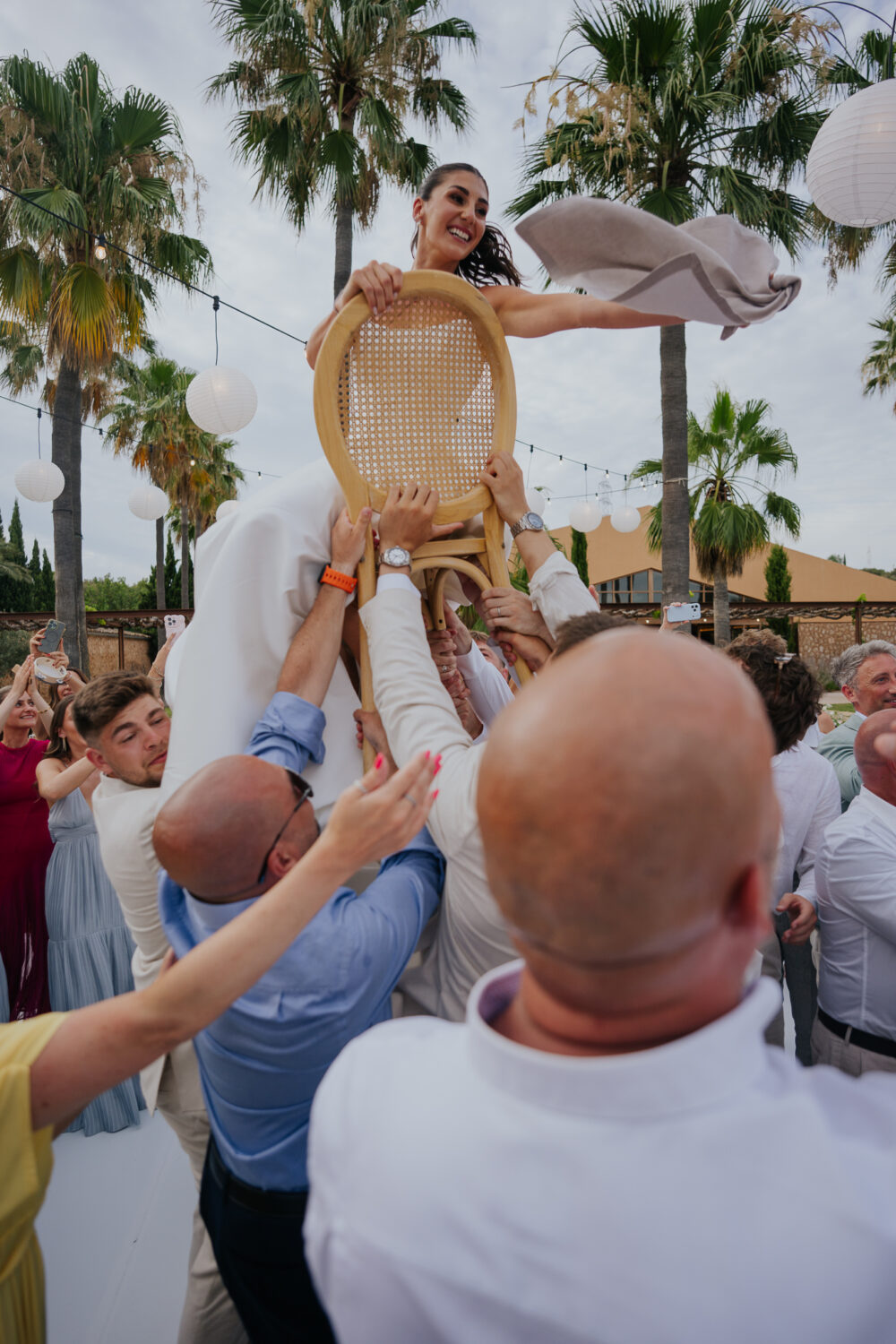
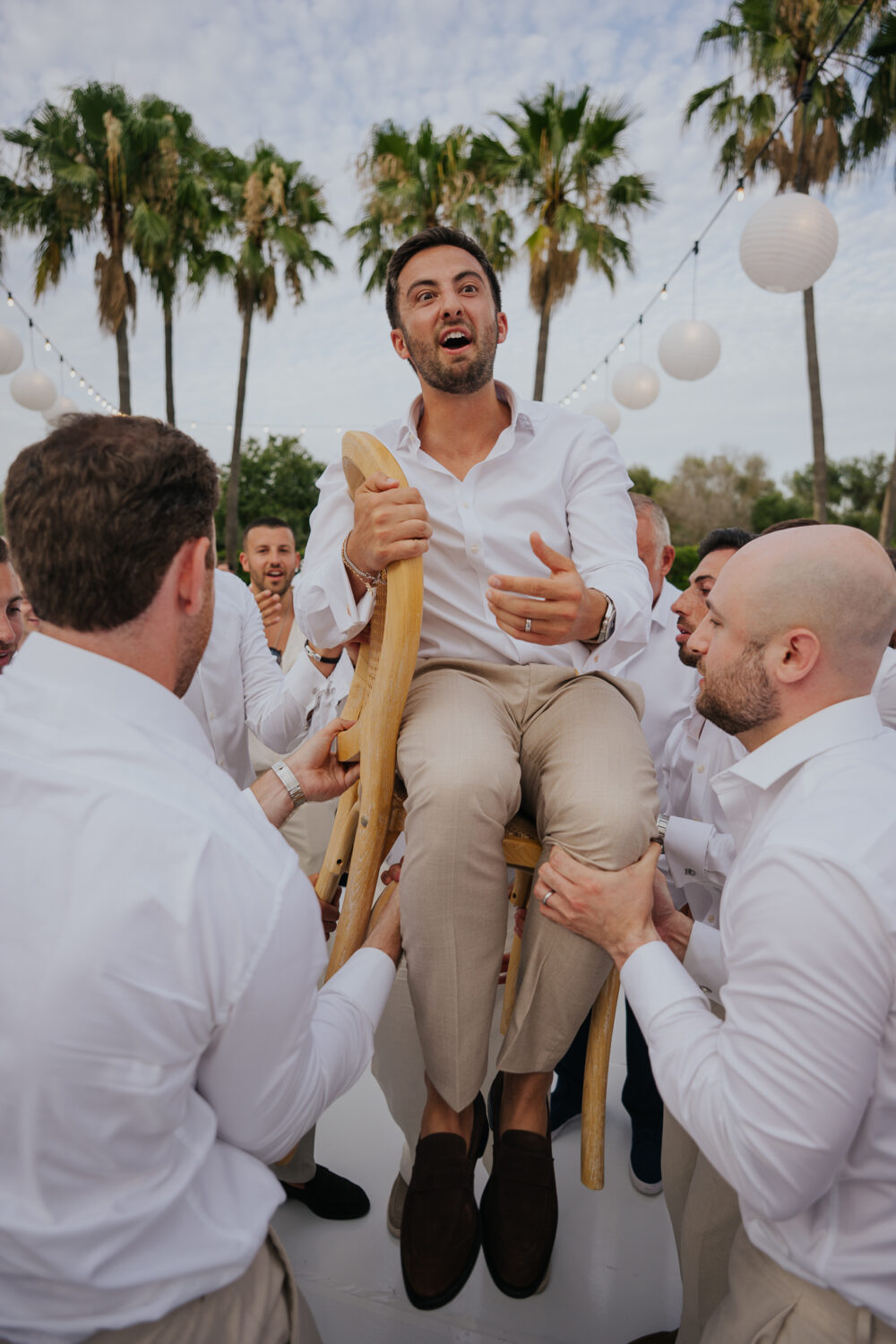
A rustic citrus-courtyard ceremony outside Palma, with the groom tossed into the air on a sheet during a boisterous take on the hora.
Is a Jewish Wedding Legally Recognized in Spain?
Spain’s 1992 cooperation agreement with the Federación de Comunidades Judías de España does allow a religious Jewish ceremony to carry civil legal effect, but only when the officiant and ceremony meet the Civil Registry’s requirements and the marriage is properly registered afterward, a process built around couples who already have residency or an established tie to Spain. For couples flying in for a few days specifically to marry, the simpler route, and the one used across nearly every destination wedding in Spain regardless of faith, is to complete the legally binding civil marriage in your home country, either shortly before or after the trip, and treat the chuppah ceremony in Spain as the meaningful, non-legally-binding celebration in front of family and friends.
We are not lawyers, and the rules and paperwork can change, so treat this as a starting point rather than final guidance. Confirm the current requirements with a family-law attorney or your local consulate before you finalize your plans.
The Chuppah Ceremony, Explained
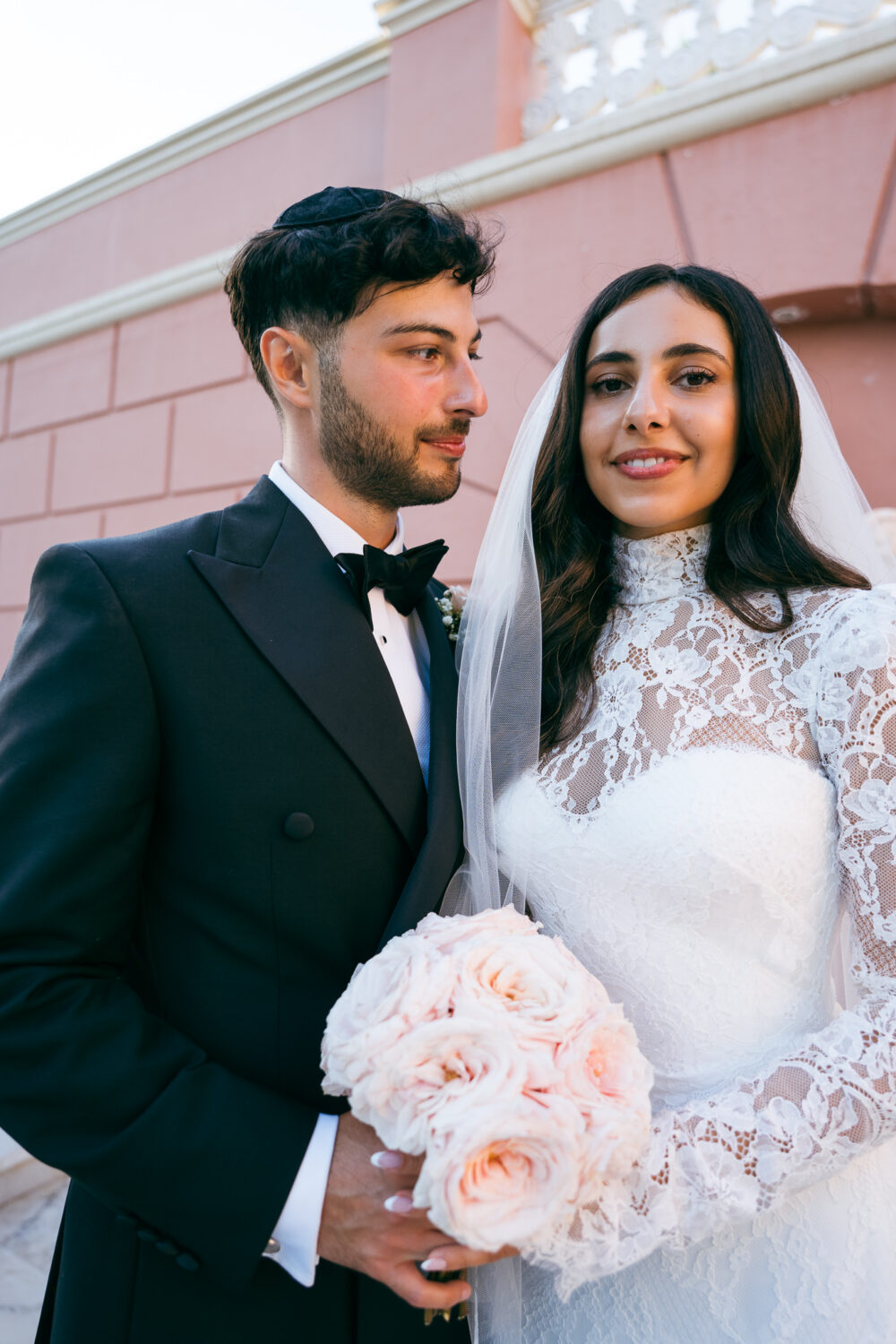
The chuppah is the canopy, traditionally made of cloth stretched over four poles, under which a Jewish couple marries. It symbolizes the home the couple will build together, and it is usually decorated with flowers or greenery to match the wedding’s style, as we saw at both Villa Padierna and Finca Son Mir. The ceremony itself typically includes the processional, the circling of the groom (or both partners, depending on the couple’s tradition), blessings over wine, the exchange of rings, and the breaking of the glass, met with shouts of mazel tov, which signals the start of the celebration. Later in the reception, the hora, a joyful circle dance where the couple is lifted on chairs, is usually the highlight of the night.
Kosher Catering in Spain
Most of the venues couples consider for a Jewish wedding in Spain, including all three we cover in this guide, do not run an in-house kosher kitchen. The standard solution is to bring in an outside certified kosher caterer and confirm kitchen access with the venue directly, usually arranged through your wedding planner. Barcelona and Madrid have the most established kosher catering options given their larger Jewish communities; for venues in Marbella, Mallorca or Ibiza, caterers more often travel in for the event, so build catering logistics into your planning timeline early.
Planning Around Shabbat
If any of your guests observe Shabbat, the date and timing of the wedding matter. Most couples in this situation either choose a Sunday date or make sure a Saturday celebration starts safely after sundown. It is a simple detail to plan around, but worth deciding early with your rabbi and planner, since it affects the rest of the timeline, including travel plans for Shabbat-observant guests.
Finding a Rabbi or Officiant
Many couples bring their own rabbi from home, which keeps the ceremony personal and avoids any uncertainty about availability. If you would rather find one locally, Barcelona and Madrid’s Jewish communities are the easiest starting points, and a planner with Jewish-wedding experience, like the ones below, can usually make an introduction or coordinate a rabbi who travels for destination ceremonies.
Jewish Wedding Vendors & Planners in Spain
These are planners we have worked alongside or seen handle Jewish and multicultural celebrations well:
- Barcelona Brides, for large-scale, multicultural weddings around Barcelona and Catalonia.
- Crystal Events, experienced with destination weddings and multi-vendor logistics.
- Priscila Llorens, a Barcelona-based planner with hands-on experience at Castell de Sant Marçal.
- Spain4Weddings, a full-service Mallorca planner with a network of kosher-friendly caterers and officiants who travel for Jewish ceremonies.
- Dyana Weddings, a luxury destination wedding planner with specific experience producing Jewish and multicultural celebrations across Spain.
Want all of this in one place? We put together a free, editable Jewish wedding in Spain checklist, covering the legal paperwork above plus the planners and venues in this guide, so you can track what is done as you go.
What a Jewish Wedding in Spain Costs
Costs vary enormously by venue, guest count and region, but a Jewish wedding tends to run a little higher than an average Spanish destination wedding for a few specific reasons: outside kosher catering is usually priced above the venue’s standard menu, a traveling rabbi’s fees and travel need to be covered, and guest lists tend to be larger given the multi-generational nature of Jewish weddings. Venues that can comfortably host 200 to 600 guests, like the ones in this guide, are worth prioritizing early in your search so you are not negotiating capacity increases later in the planning process.

Best Time of Year for a Jewish Wedding in Spain
Late spring through early autumn, roughly May through October, gives you the most reliable weather for an outdoor chuppah across all five regions above. June and September tend to offer the best balance: warm evenings without the peak-summer heat or crowds, as we saw at both Villa Padierna in June and other Spanish venues in September. If any part of your date selection needs to work around Shabbat or a Jewish holiday calendar, confirm that early with your rabbi before locking in a venue date.

Looking for a Photographer for Your Jewish Wedding in Spain?
Me and my team have shot Jewish and multicultural destination weddings across Spain, from Marbella to Barcelona to Mallorca. We know how to move with the rhythm of a chuppah ceremony and a hora that goes on past midnight, quiet when we need to be, in the heart of the action when it matters most. See our full Jewish wedding photography and videography services for packages and pricing.
If you are planning a Jewish wedding anywhere in Spain, let’s talk.
Frequently Asked Questions
Is a Jewish wedding legally recognized in Spain?
It can be, under Spain’s 1992 agreement with the Federación de Comunidades Judías de España, but in practice this route suits couples with residency or an existing tie to Spain. Most destination couples instead complete a legally binding civil marriage at home and treat the chuppah ceremony in Spain as the symbolic celebration.
Can I bring my own rabbi to Spain?
Yes. Many couples bring their own rabbi from home. If you would rather find one locally, Barcelona and Madrid’s Jewish communities are the easiest starting points, and a destination wedding planner can often help coordinate one who travels.
Is kosher catering available in Spain?
Yes, though it is usually brought in from an outside certified kosher caterer rather than offered in-house by the venue. Barcelona and Madrid have the most established options; elsewhere, caterers more often travel in for the event.
Which region of Spain is best for a Jewish wedding?
Barcelona offers the easiest access to rabbis and kosher suppliers thanks to its larger Jewish community. The Costa del Sol, Mallorca, Ibiza and the Canary Islands all work well too, and each offers a noticeably different style of celebration.
How do I plan the wedding around Shabbat?
Most couples with Shabbat-observant guests choose a Sunday date, or make sure a Saturday celebration starts safely after sundown. Decide this early with your rabbi and planner, since it affects the rest of the timeline.
How far in advance should I book a venue?
Twelve to eighteen months is typical for the larger venues covered in this guide, especially if you need a date that works around Shabbat or a Jewish holiday calendar, since that narrows your available weekends.