Looking for an Indian wedding videographer in Spain based in Marbella? You’re in the right place. We’re Super Weddings — a Spain-based team specialising in cinematic multi-day Indian wedding films across the Costa del Sol. We’ve covered Hindu and Sikh celebrations at Villa Padierna, Marbella Club, and private fincas in the hills above Benahavis, filming everything from the Mehndi through to the final moments of the reception. This guide covers how we work, what coverage looks like across multiple days, and what makes Marbella one of the best locations in Europe for an Indian wedding on this scale.
This guide covers everything you need to know about filming an Indian wedding in Marbella — from how multi-day coverage works and what to look for in a videographer, to the venues that photograph and film best, the logistical realities of the baraat on the Costa del Sol, and how to get the most out of the Andalusian light.
Our Indian Wedding Films from the Costa del Sol
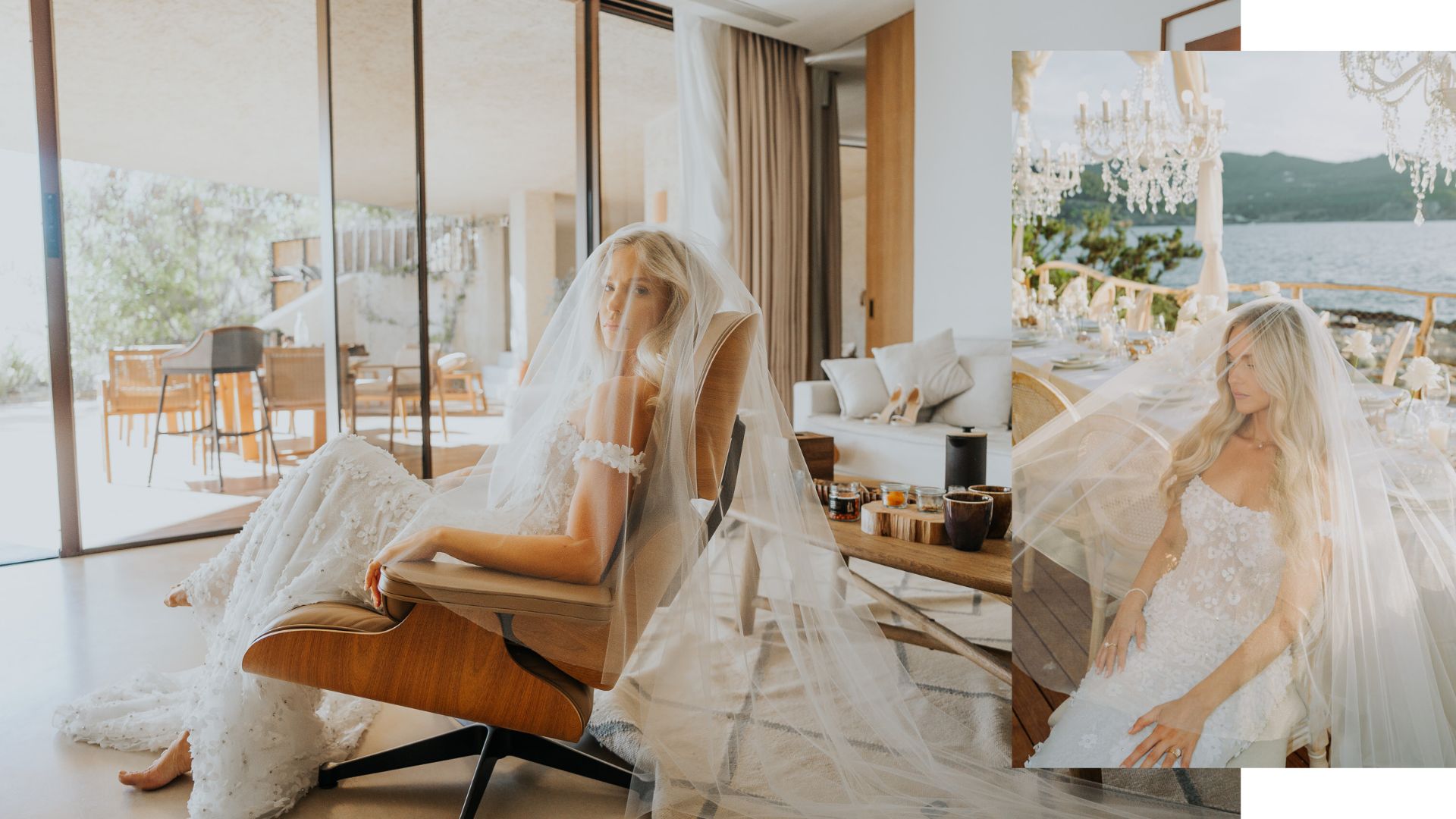
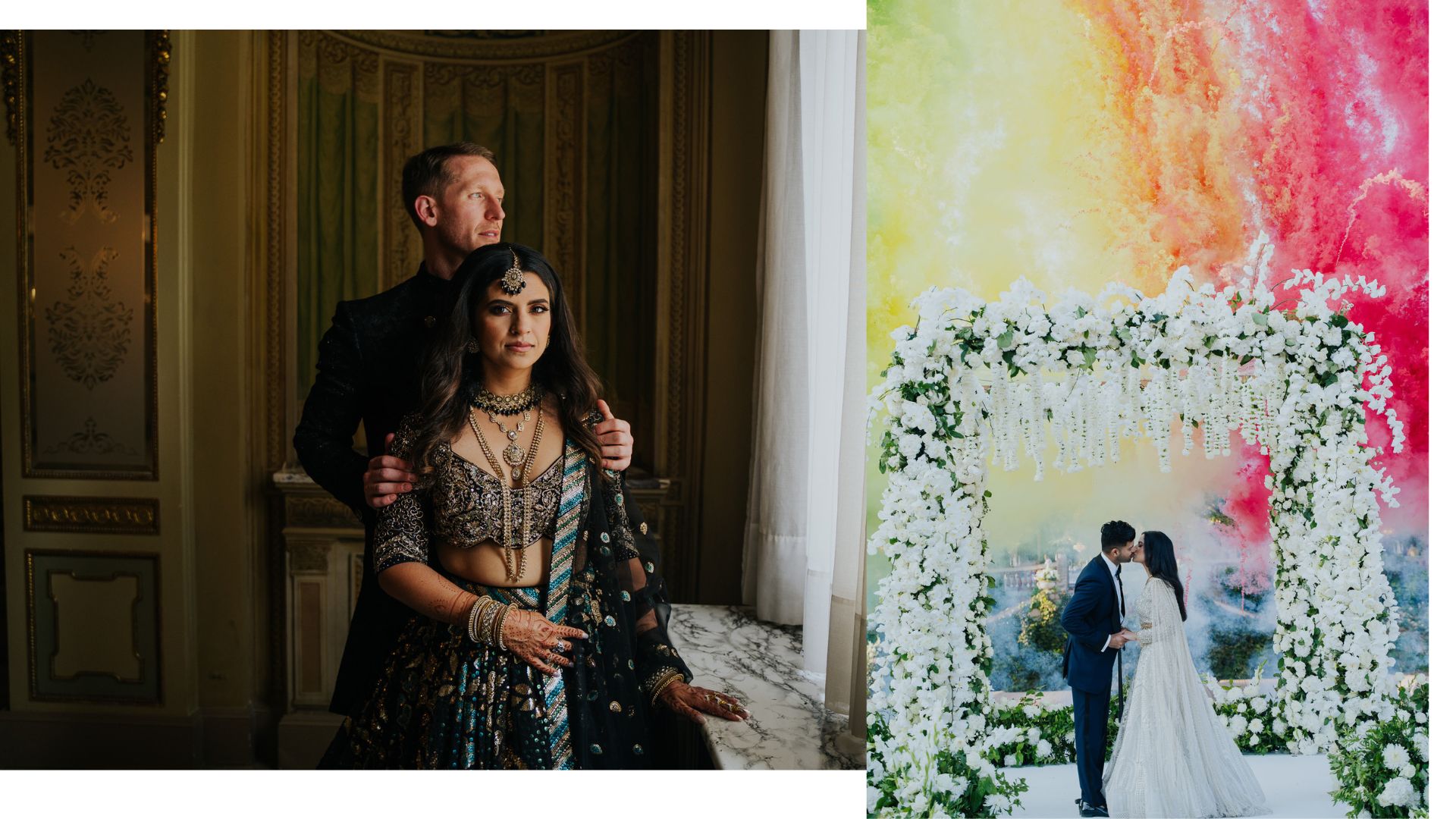
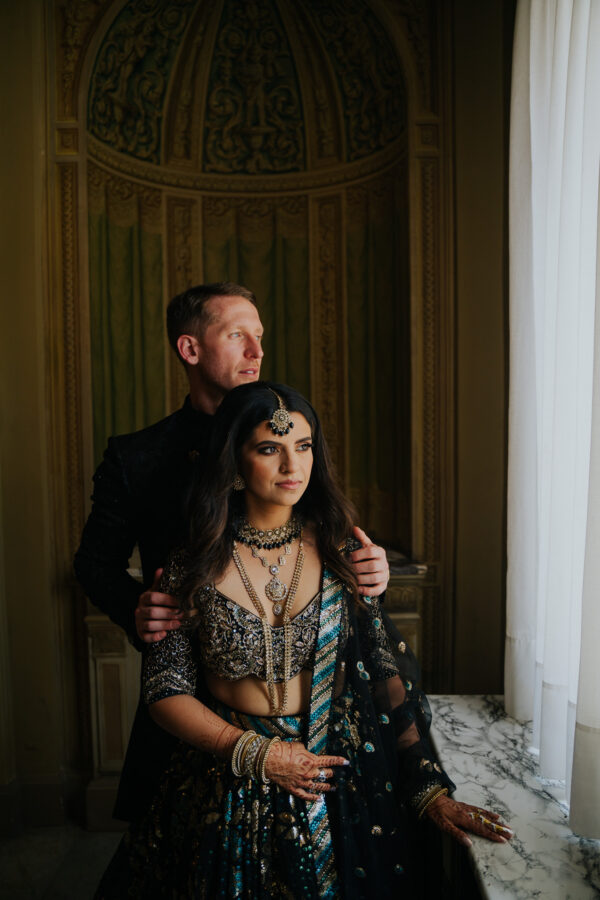
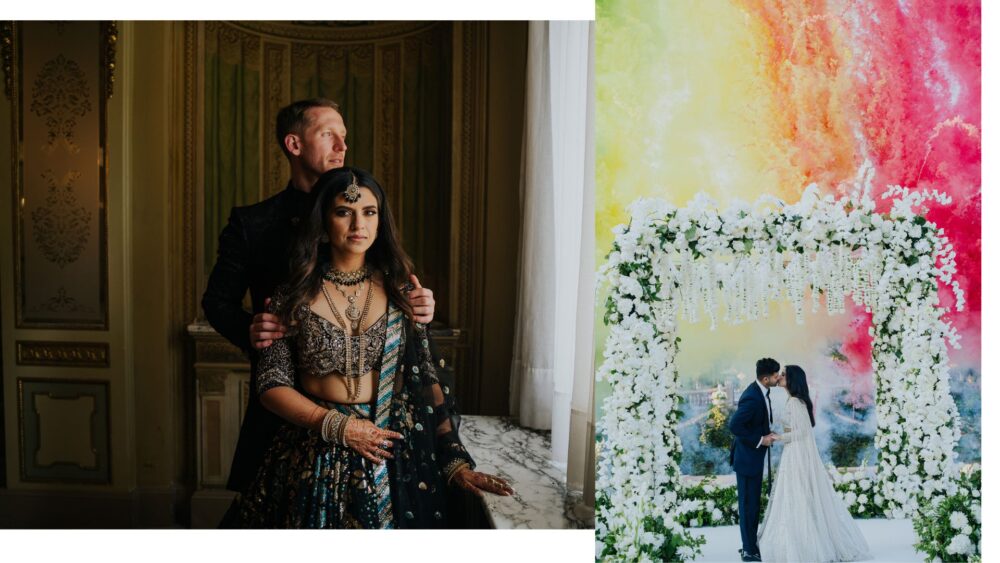
Two examples of our work filming multi-day Indian weddings in Spain — each one different in scale and setting, but both shot with the same approach: stay close, stay invisible, let the day tell its own story.
Indian Wedding Videography Packages
Every Indian wedding is different in scale and structure, so our packages are built to be flexible. Below is how we typically structure coverage for multi-day celebrations in Marbella — but we always tailor the final package to your specific events, venue, and guest count.
All packages include a pre-wedding consultation to walk through your event schedule, venue layout, and any specific cultural moments you want prioritised on the day. Get in touch to discuss what’s right for your wedding.
Why Marbella Works So Well for Indian Weddings
Most Indian weddings in Marbella span three to four days. The Mehndi is usually held at the villa or hotel the day before the main events, followed by a Sangeet that doubles as a full evening celebration. The wedding day itself — Baraat, Pheras, and reception — is often the most logistically complex day of any wedding I’ve filmed in ten years.
What Marbella offers that not every destination can match is scale without sacrifice. Venues like Villa Padierna Palace, Marbella Club Hotel, and a cluster of private fincas in the hills above Benahavis can accommodate 200, 300, sometimes 400 guests while still feeling personal. The hotel infrastructure means families flying in from multiple countries have somewhere comfortable to stay close to the action, which matters enormously when you’re coordinating a wedding party of that size.
The climate is another genuine advantage. Marbella averages over 300 days of sunshine a year, and the dry heat of July and August — though intense — gives videographers consistently beautiful working conditions. The golden hour light on the Costa del Sol, especially at hillside venues with Mediterranean views, is extraordinary on camera. It does things to skin tones and venue architecture that you don’t get in northern Europe.
What Multi-Day Indian Wedding Coverage Looks Like
Day One: Mehndi
The Mehndi is intimate and detail-rich — the intricate henna work, the women of the family gathered, the music, the colour. From a videography perspective it’s one of the most important days to get right, because the close-up work and the candid moments between family members set the emotional tone for the entire film. A single camera operator works well here, focused entirely on observation rather than direction.
Day Two: Sangeet
The Sangeet in Marbella is typically a full evening event — dinner, performances, dancing. It’s high energy, often running late, and requires someone who knows how to film in mixed lighting conditions. The performances are something families watch back again and again. Two cameras are standard; three if there are multiple performance stages.
Day Three: Baraat, Pheras and Reception
This is the big day, and on the Costa del Sol it requires planning that goes beyond simply showing up. The baraat — the groom’s procession — needs to be coordinated with the venue, the road layout, and sometimes local permissions depending on how public the route is. I always do a location scout ahead of time for this specifically. Two to three cameras minimum, drone if the venue and local regulations allow. The pheras are sacred and require a completely unobtrusive approach — the priority is capturing without interfering. The reception that follows is where the evening opens up and the film can breathe.
The Best Venues for Indian Weddings in Marbella
Not every Marbella venue is set up for a 300-person Indian wedding with a full Baraat procession, a dhol player, and a reception that runs until 2am. These are the ones that work well, and that film beautifully.
Villa Padierna Palace is the benchmark for luxury Indian weddings on the Costa del Sol. The grounds are extensive, the architecture is Andalusian-classical in a way that reads beautifully on camera, and the team have handled multi-day Indian celebrations before. Capacity runs to 400+ for outdoor events.
Marbella Club Hotel carries a particular glamour that suits larger Indian families well — there’s a sense of occasion from the moment you arrive. The beach club and gardens give videographers multiple distinct settings within one venue.
Finca and villa estates in Benahavis — the hills above Marbella — offer a more private alternative. Several can accommodate 150–250 guests with full catering and overnight accommodation for the family. The elevated positions mean stunning views and, crucially, exceptional light for the portrait sessions and aerial footage.
How We Work as Indian Wedding Videographers
Filming an Indian wedding is fundamentally different from filming a Western one — not just in scale, but in the way the day moves, where the emotion lives, and what the family will want to watch back ten years from now. Here’s how we approach it.
We learn the schedule before we arrive. A multi-day Indian wedding in Marbella involves overlapping ceremonies, multiple costume changes, and moments that happen fast and don’t repeat. We review the full event timeline with you in advance, identify the non-negotiable moments, and plan our camera positions accordingly. Nothing about our approach is improvised on the day.
We work invisibly. The best Indian wedding films are the ones where the families didn’t notice the cameras. We dress appropriately, we move quietly, and we never ask people to pause or repeat. During the pheras especially, our job is to disappear into the background while staying close enough to capture every expression.
We edit toward emotion, not trends. We don’t use fast cuts, trendy audio effects, or flashy transitions. Our films are built around the music you choose and the moments that actually happened — the look between a mother and daughter during the Mehndi, the silence in the room before the pheras begin, the exact second the baraat breaks into dance. Those are the moments that make a film worth watching for a lifetime.
We communicate clearly across cultures and time zones. Many of our Marbella couples are based in the UK, US, or India and are planning their wedding remotely. We handle all communication in English, work to your time zone for calls, and keep the planning process straightforward — no chasing, no confusion.
Practical Information
Getting there: Málaga airport is 45 minutes from central Marbella. Direct flights connect from most major UK airports, Amsterdam, Paris, Frankfurt and beyond. For large Indian wedding parties flying in from multiple cities, this accessibility is a genuine selling point.
do you need a planner? For an Indian wedding in Marbella — yes, almost certainly. The logistics of coordinating a multi-day event across a venue, local vendors, accommodation and family from multiple countries is beyond what most couples can manage without on-the-ground support. A planner who has handled Indian weddings specifically is worth the investment.
Permits and noise: Marbella has specific rules around amplified music and late events. Most licensed venues handle this, but it’s worth confirming what’s permitted before booking, particularly for outdoor Sangeet evenings.
Best months: May, June, September and early October offer the best balance of warmth and manageable heat. July and August are very hot — beautiful on film, but demanding for guests and vendors alike.
Styling Tips for an Indian Wedding in Marbella
Lean into the contrast between Andalusian architecture and Indian colour. The white-washed walls, terracotta tiles and Mediterranean foliage of most Marbella venues create a backdrop that makes Indian textiles and floral installations pop in a way that feels unique rather than generic.
Plan the portrait session around the golden hour. Build at least 20–30 minutes into the schedule, specifically at the moment the sun approaches the horizon. If your venue has an elevated position or a sea view, this is non-negotiable — the light is extraordinary and will be the most-watched part of your film.
Brief your dhol players on the baraat route early. The procession logistics in Marbella require coordination. The sound, the movement, the crowd — it’s the most cinematic moment of the day, and it needs to be planned, not improvised.
Think about your Mehndi setting deliberately. The intimate first-day ceremonies are often filmed in whatever space is available. If you’re at a villa or hotel, ask whether there’s an outdoor terrace or garden with natural light — it makes a significant difference to how the footage looks and feels.
Is Marbella Right for Your Indian Wedding?
If you want a destination that can genuinely handle scale — 200 to 400 guests, four days of events, families flying in from across the world — and you want it delivered against a backdrop of Mediterranean luxury and reliable sunshine, Marbella is hard to argue against. It’s not the cheapest destination, and the logistics require proper planning. But the venues, the light, and the overall experience it creates for families make it one of the best locations in Europe for Indian weddings.
We’ve filmed Indian weddings across Spain for over a decade — from Barcelona and Sitges to Seville and the Costa del Sol. If you’re planning a multi-day Indian wedding in Marbella and want to talk through what coverage would look like, get in touch. We’ll walk you through the options honestly and without pressure.

Frequently Asked Questions
Questions we hear regularly from couples planning Indian weddings in Marbella:
Planning an Indian wedding across multiple Spanish locations? See our complete guide to Indian weddings in Spain, covering Barcelona, Sitges, Seville, Marbella and beyond.