What will you find in in the Indian Wedding in Italy guide?
Planning an Indian wedding in Italy offers couples the chance to combine rich cultural traditions with some of Europe’s most breathtaking landscapes. From multi-day Hindu celebrations to Sikh and fusion ceremonies, Italy has become one of the most sought-after destinations for Indian weddings abroad.
Having documented Indian weddings across Italy — from intimate gatherings to large, multi-event celebrations — me and my team have seen firsthand what works, what doesn’t, and what truly makes a destination wedding seamless for couples and their guests.
This guide covers everything you need to know to plan an Indian wedding in Italy, including legal requirements, realistic budgets, venue considerations, timelines, and practical tips based on real weddings. Whether you’re just starting your planning or refining the final details, this resource is designed to help you make informed decisions with confidence.
This guide is especially helpful for couples planning multi-day Indian weddings in Italy, with guests traveling from abroad and events spread across several locations or days.
Updated in January, 2026 by Sebastian Nandryka
Table of Contents
- Step-by-Step Planning Guide
- Choosing the Perfect Region
- Best Wedding Venues by Region
- Indian Wedding Italy: Budget Breakdown
- Legal Requirements & Ceremonies
- FAQs – Indian Wedding in Italy
- Case Studies
- Photographer & Videographer Tips
- Contact / Next Steps
Why Choose Italy for an Indian Wedding?
If you are planning your Indian wedding in Italy than you are in the right place!
Italy isn’t just a destination; it’s a canvas for unforgettable weddings. From rolling vineyards in Tuscany to romantic castles in Umbria and Sicily’s sun-kissed coastlines, Italy offers Indian couples a perfect combination of elegance, privacy, and cinematic beauty.
Having filmed and photographed dozens of Indian weddings across Italy, I can confidently say that planning here requires attention to both logistics and cultural nuances. In this guide, I’ll share a step-by-step plan, peppered with case studies and my personal expertise, so couples can confidently plan their dream Indian wedding in Italy.


How to Plan an Indian Wedding in Italy in 10 steps
Planning an Indian wedding in Italy requires a different mindset than planning one at home. While Italy offers extraordinary venues and landscapes, successful Indian weddings here rely on early planning, realistic timelines, and an experienced local team that understands multi-day cultural celebrations.
Working with vendors who are familiar with Indian weddings in Italy makes a significant difference. From caterers who can manage large guest counts to decorators experienced with mandaps and production setups, the right team ensures traditions are respected while adapting smoothly to the Italian context. Planning early also allows couples to secure the best venues, negotiate realistic timelines, and avoid last-minute compromises.
Step 1: Choosing the perfect region
Not every Italian region is equally suited for multi-day Indian celebrations. Here’s my take:
- Tuscany – Rolling hills, countryside villas, vineyards; perfect for couples who want rustic charm with elegant luxury.
- Lake Como – Iconic vistas and luxury villas; ideal for cinematic photography and intimate ceremonies.
- Amalfi Coast – Dramatic cliffs and sea views; great for sunset ceremonies and cocktail receptions.
- Sicily – Rich culture, historical villas, seaside resorts; excellent for blending Italian and Indian traditions.
- Umbria – Quiet, private castles; excellent for multi-day celebrations with dual ceremonies. (Case Study: Carol & Karan at Castello Rosciano at the bottom of the article)


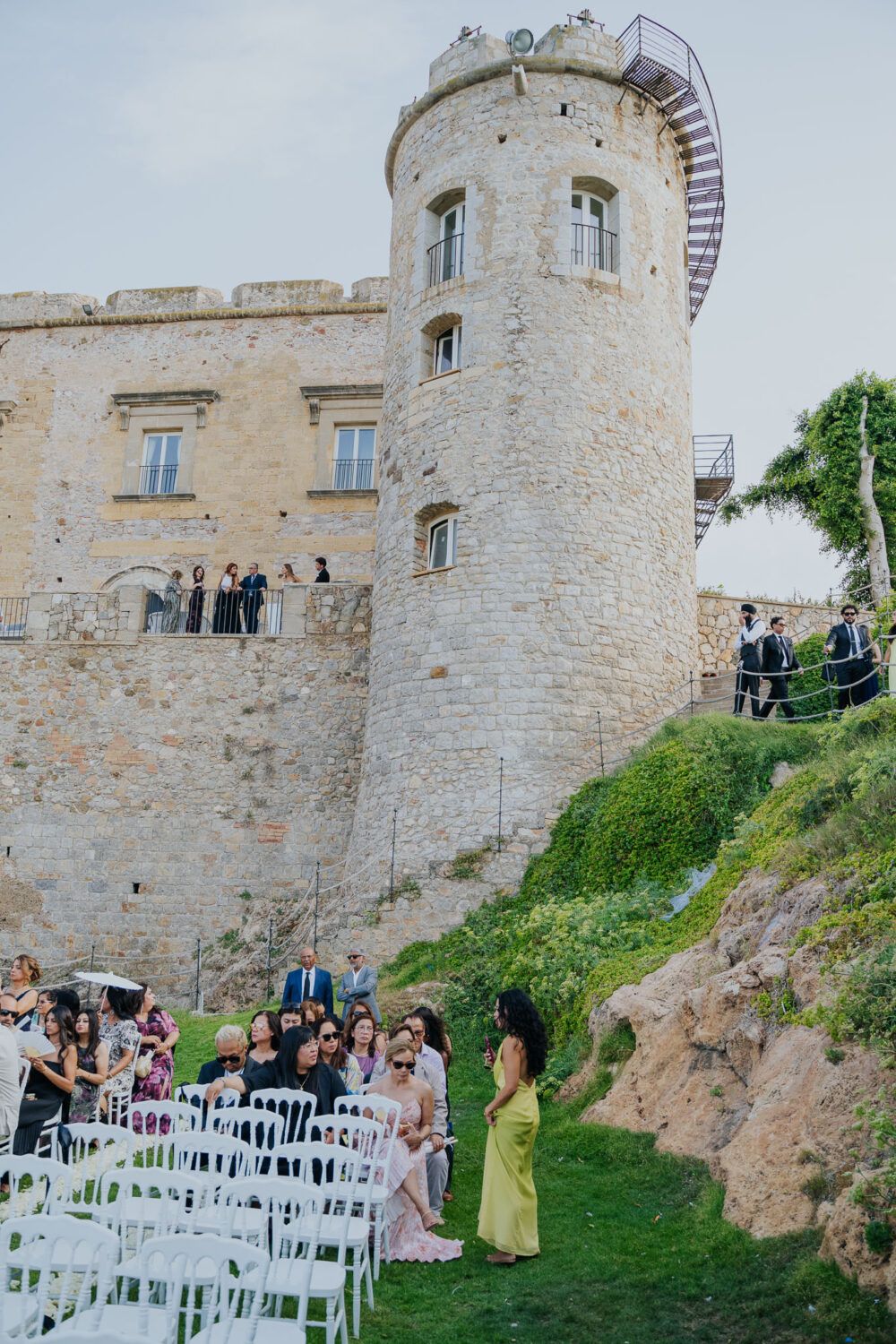
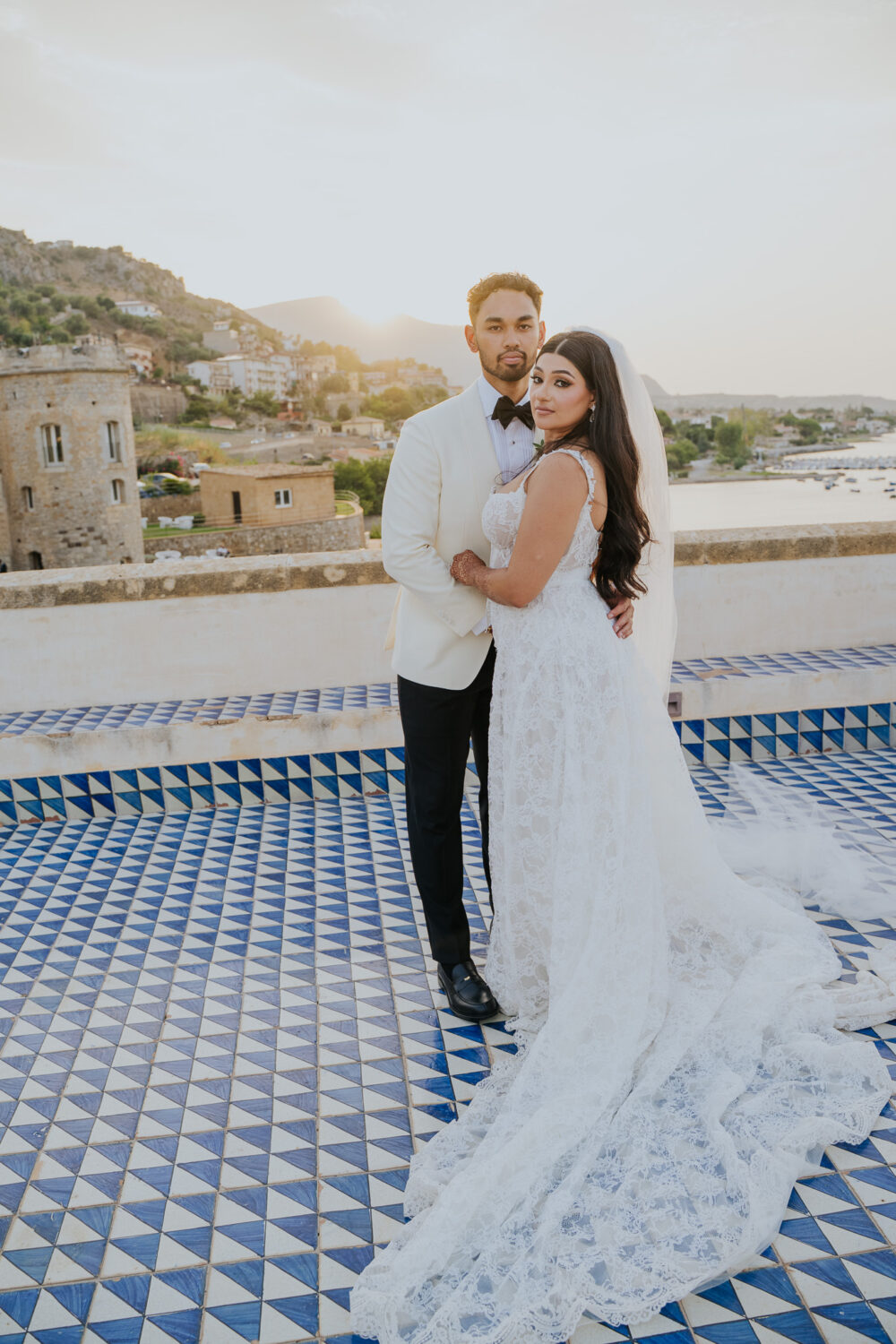

My advice: Choose a region that fits both your aesthetic vision and your guests’ convenience. Multi-day Indian weddings require easy access to airports and comfortable lodging.
Step 2: Selecting the right venue
Your venue dictates almost every other decision: décor, catering, timing, and ceremonies. My experience shows that venues with flexible indoor/outdoor spaces and experience hosting large groups make a wedding smoother.
Lake Como
Luxury on the water
Lake Como is one of the most iconic destinations for an Indian wedding in Italy,
known for its lakeside villas, cinematic landscapes, and elegant multi-day celebrations.
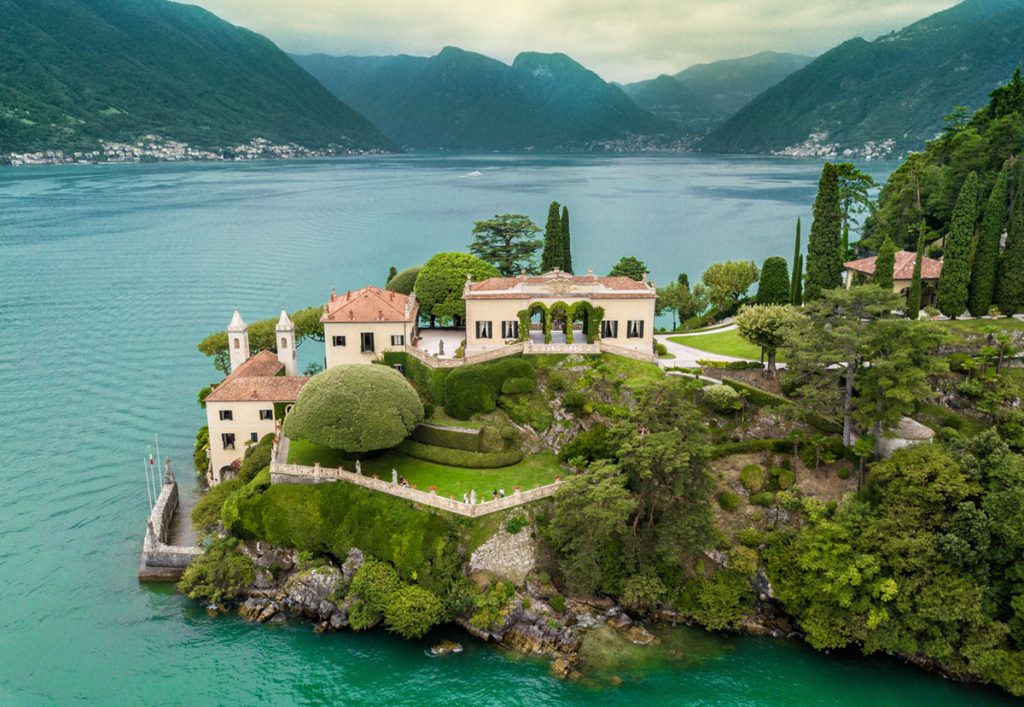
Villa Balbiano
A private lakeside estate with expansive gardens ideal for mandap ceremonies,
elegant receptions, and multi-event Indian weddings.
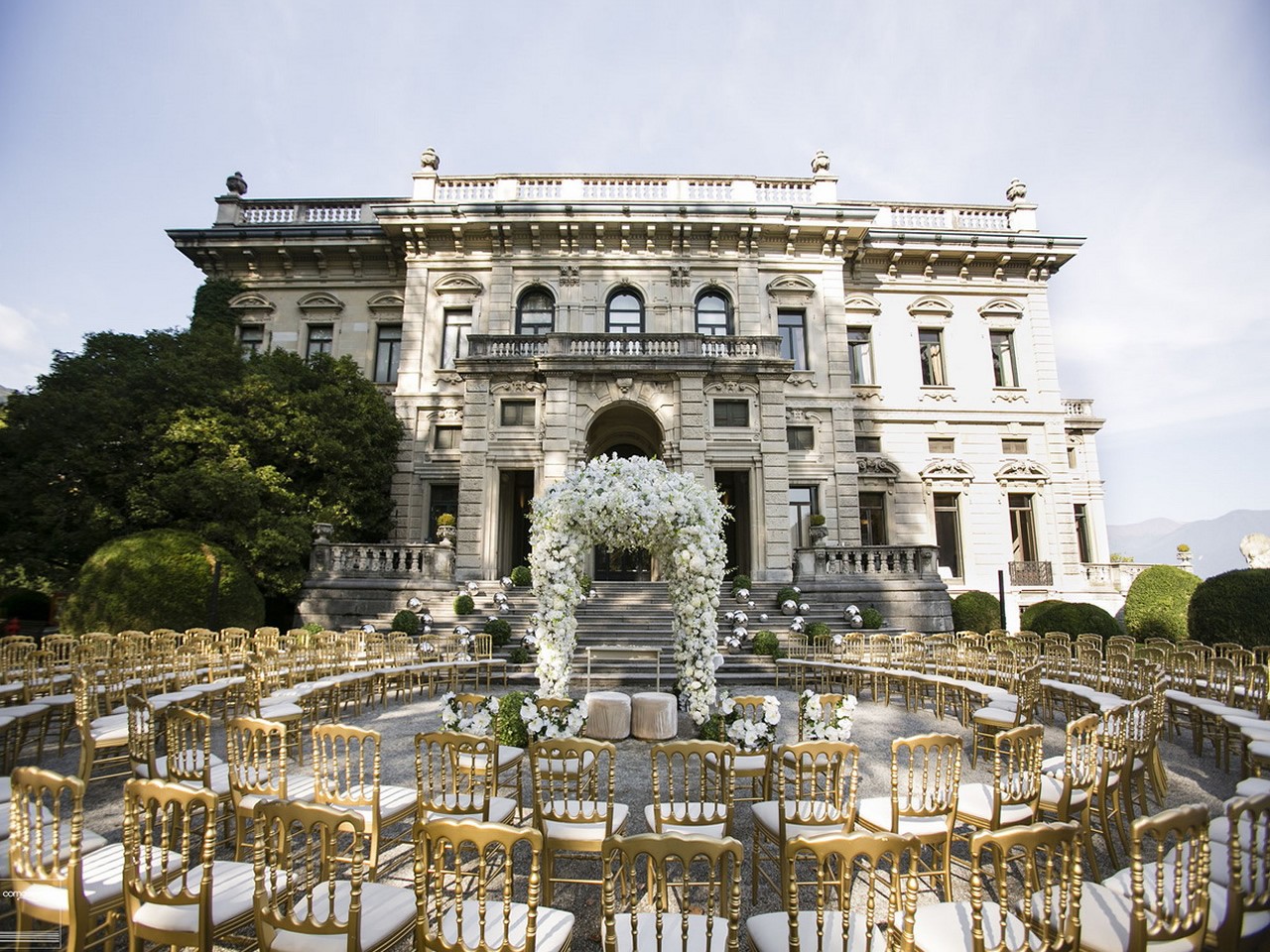
Villa Erba
One of Lake Como’s largest estates, offering exceptional flexibility
for large-scale Indian weddings and complex logistics.
Tuscany
Countryside estates & vineyards
Tuscany offers rolling hills, historic estates, and warm countryside light —
ideal for traditional Indian ceremonies and relaxed multi-day celebrations.
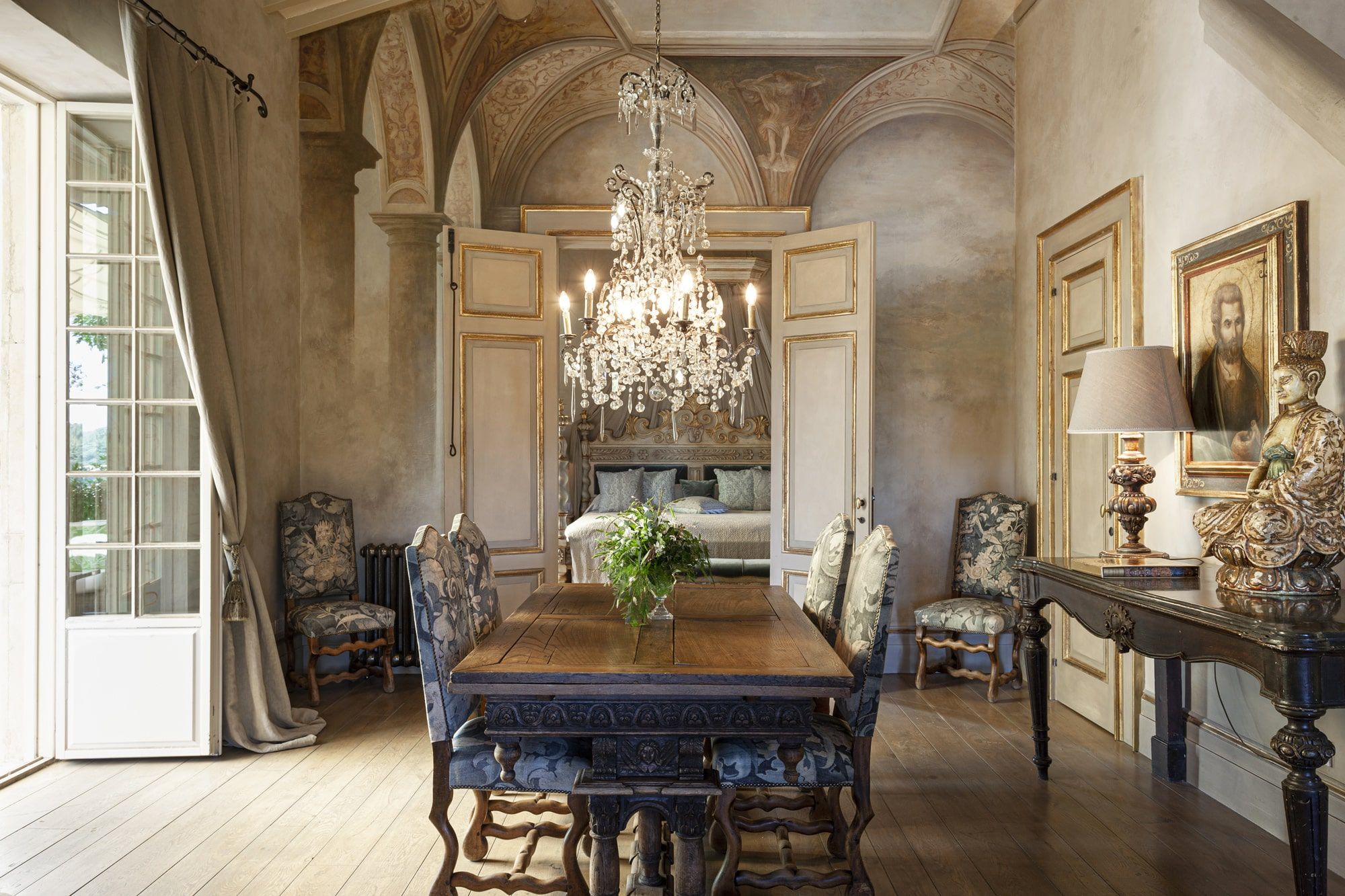
Borgo Santo Pietro
A private estate allowing guests to stay together,
simplifying logistics for multi-day Indian weddings.
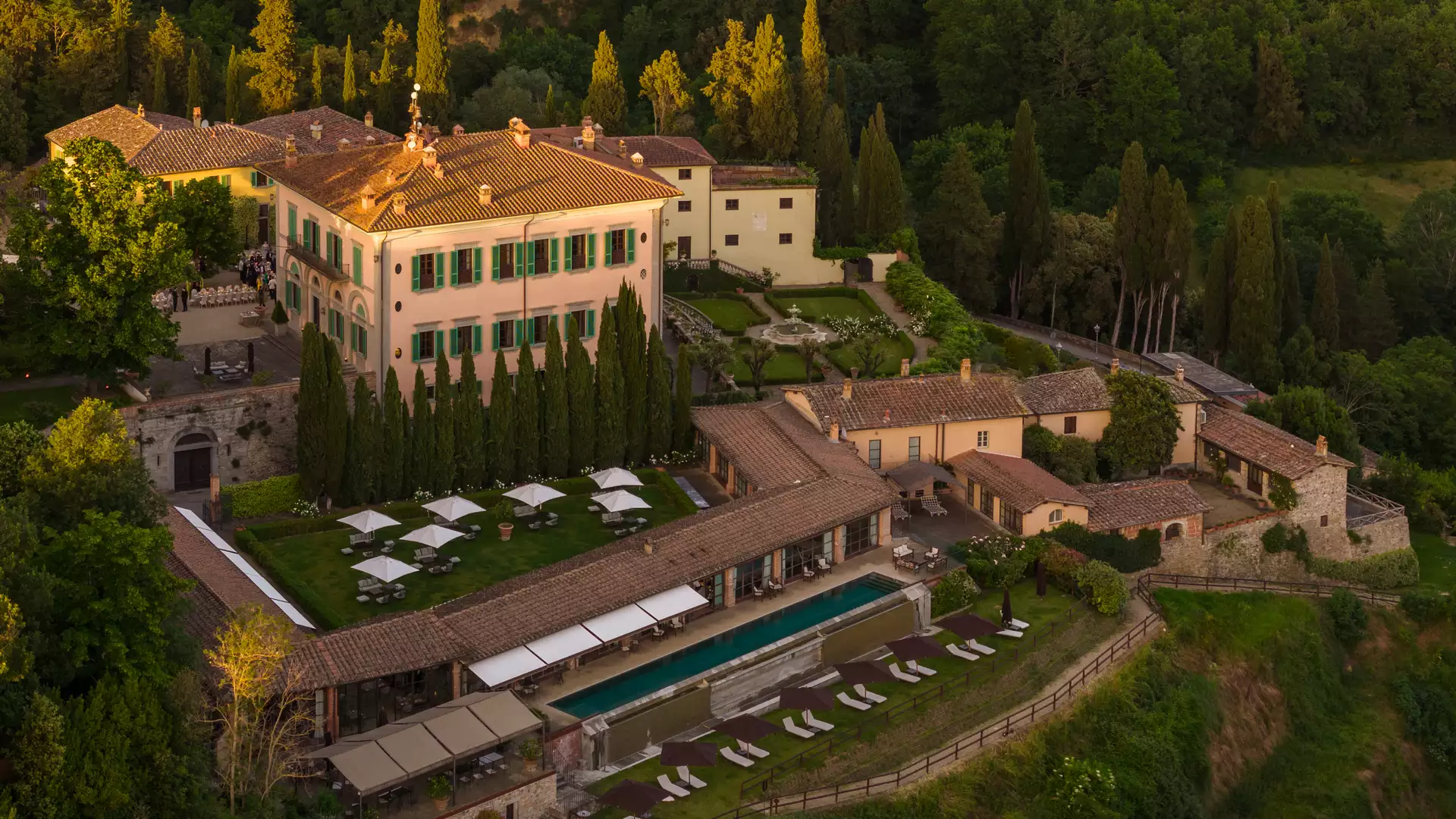
Il Borro
A historic Tuscan village estate with vast outdoor spaces,
perfect for vibrant Indian wedding celebrations.
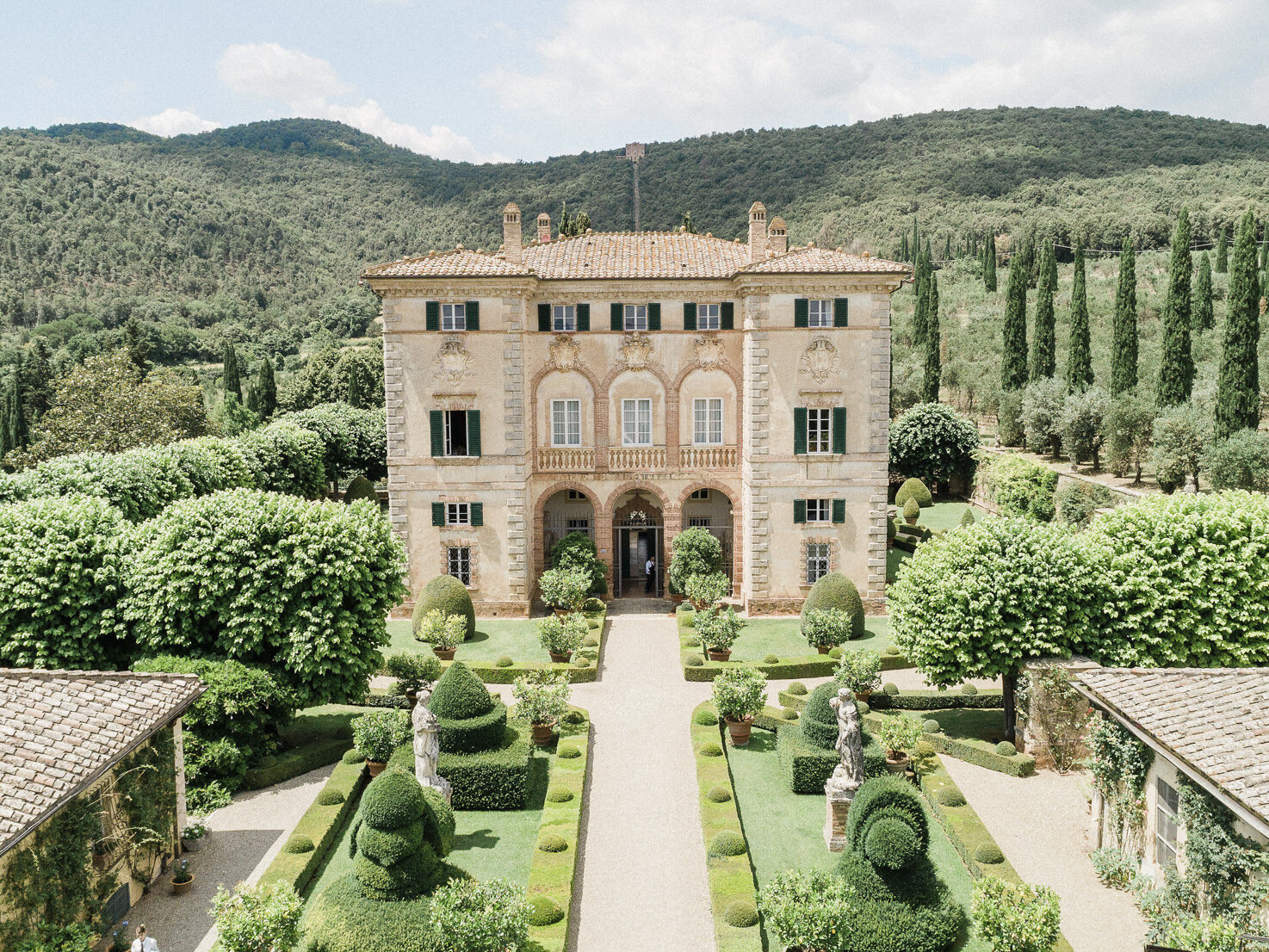
Amalfi Coast
Cliffside romance & sea views
The Amalfi Coast is perfect for couples seeking dramatic Mediterranean views,
intimate ceremonies, and stylish Indian wedding celebrations.
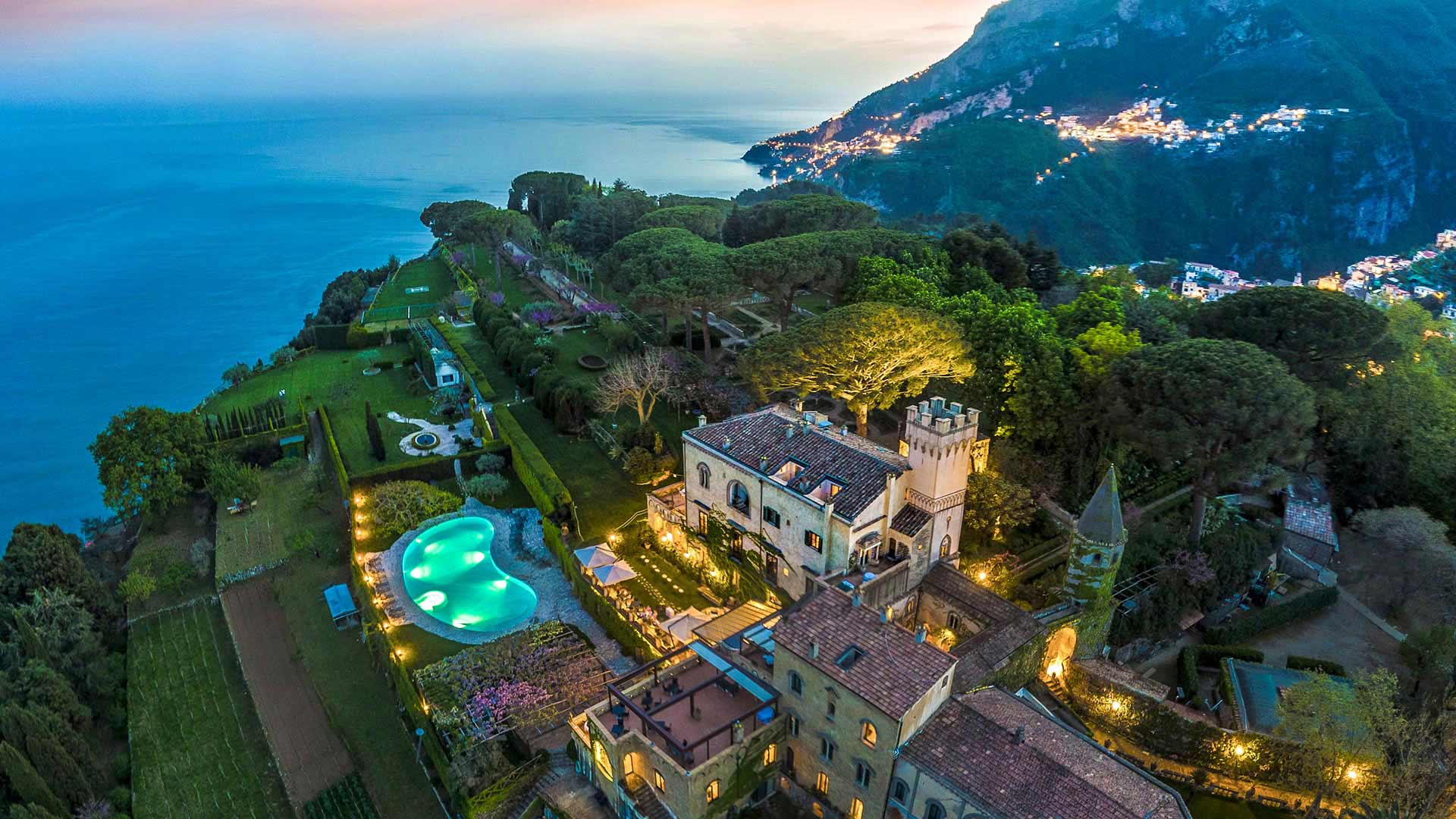
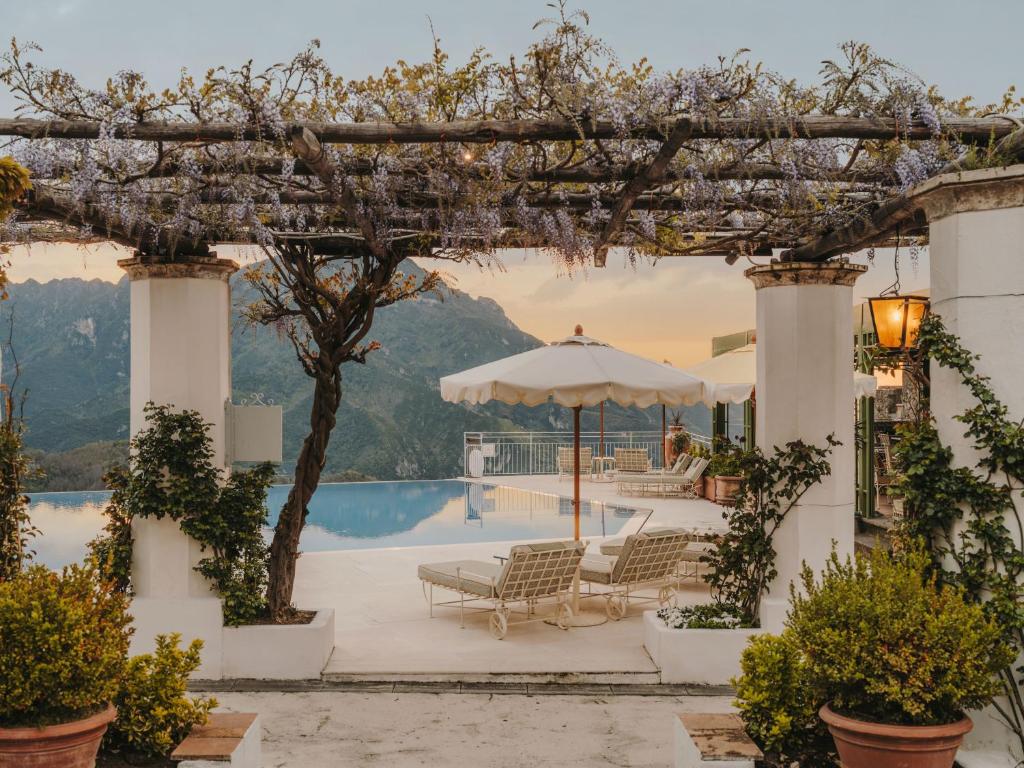
Caruso, A Belmond Hotel
Infinity terraces and refined service
make this ideal for luxury receptions.
Puglia
Masserias & southern elegance
Puglia has become a favourite for couples seeking a refined yet authentic
setting for an Indian wedding in Italy, with historic masserias,
olive groves, and relaxed multi-day celebrations.
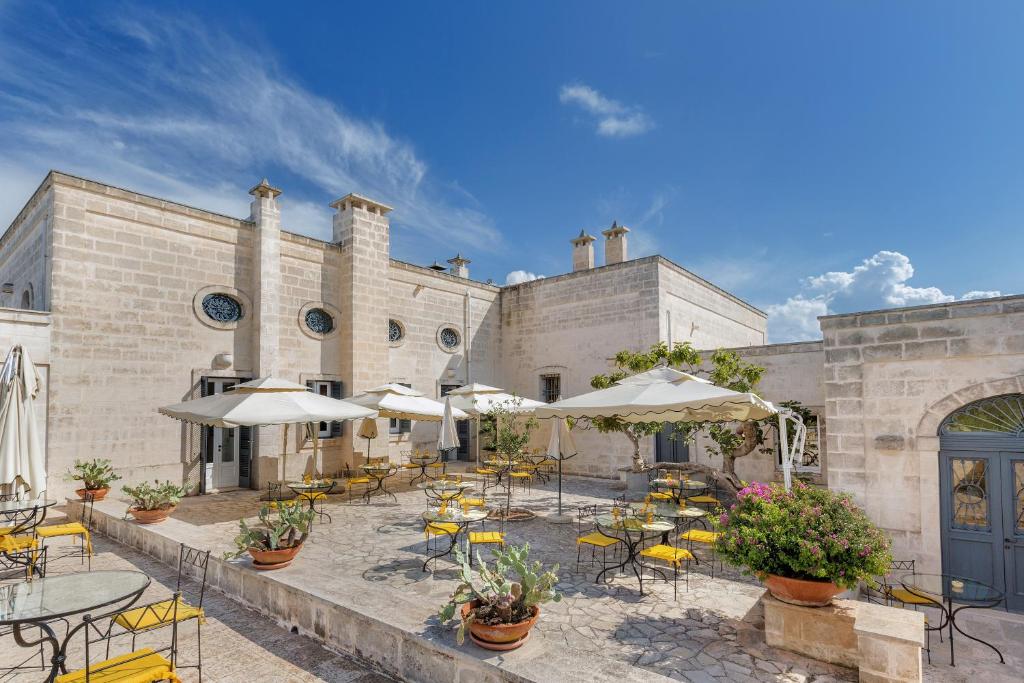
Masseria San Domenico
A refined coastal masseria offering elegant outdoor spaces,
ideal for mandap ceremonies and stylish evening receptions.
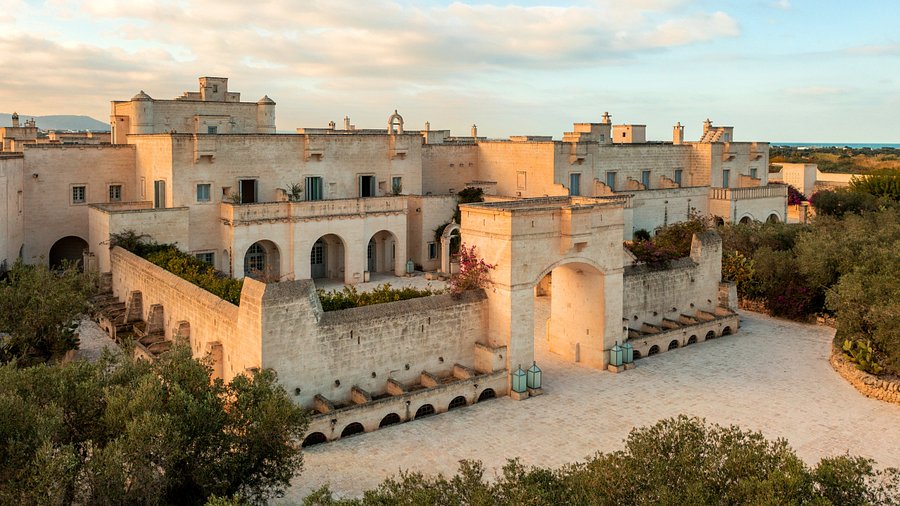
Borgo Egnazia
One of Italy’s most iconic luxury resorts,
perfect for large-scale Indian weddings with extensive guest accommodation.
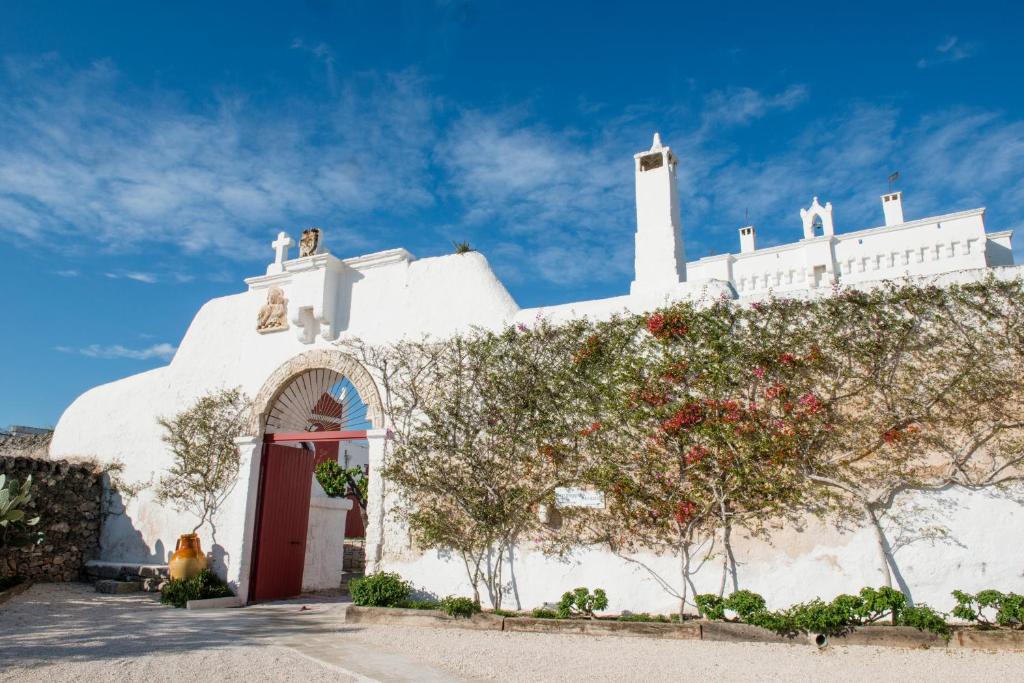
Masseria Torre Coccaro
A beautifully restored masseria combining rustic charm
with comfort and flexibility for Indian wedding events.
Sicily
Volcanic landscapes & Mediterranean drama
Sicily offers a bold and distinctive backdrop for Indian weddings,
blending coastal views, historic estates, and dramatic natural scenery.
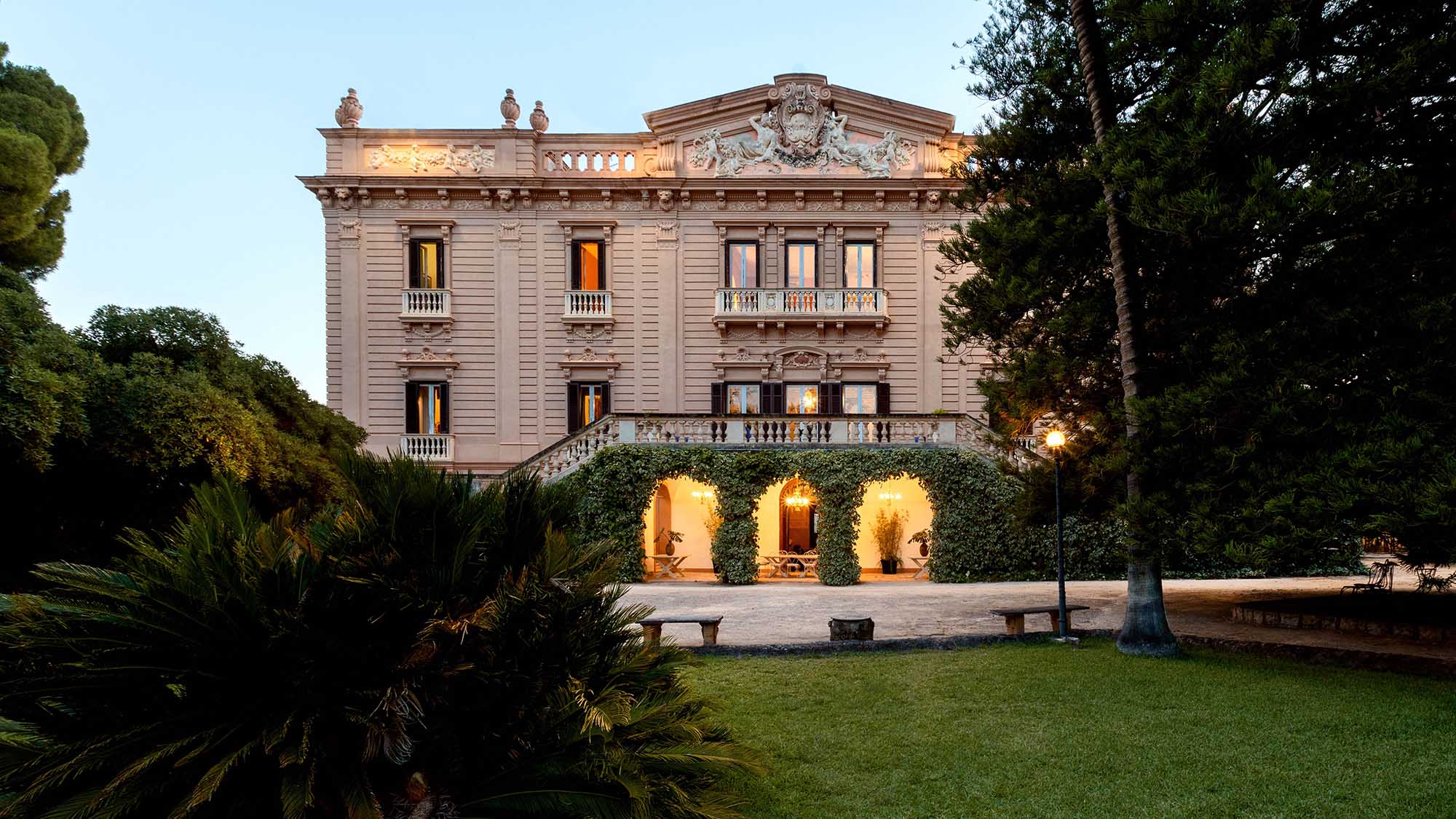
Villa Tasca
A historic villa in Palermo with expansive gardens,
ideal for refined Indian wedding ceremonies and receptions.
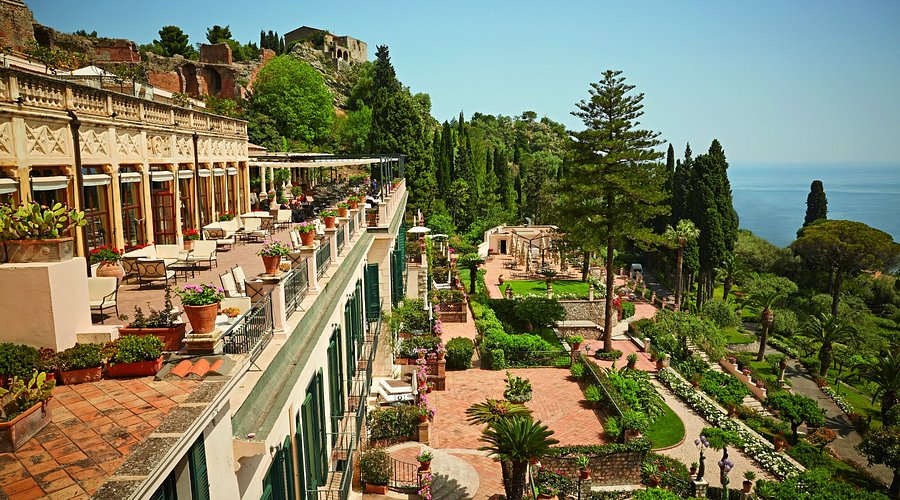
Belmond Grand Hotel Timeo
A legendary hotel overlooking Mount Etna and the sea,
perfect for intimate yet high-end Indian weddings.
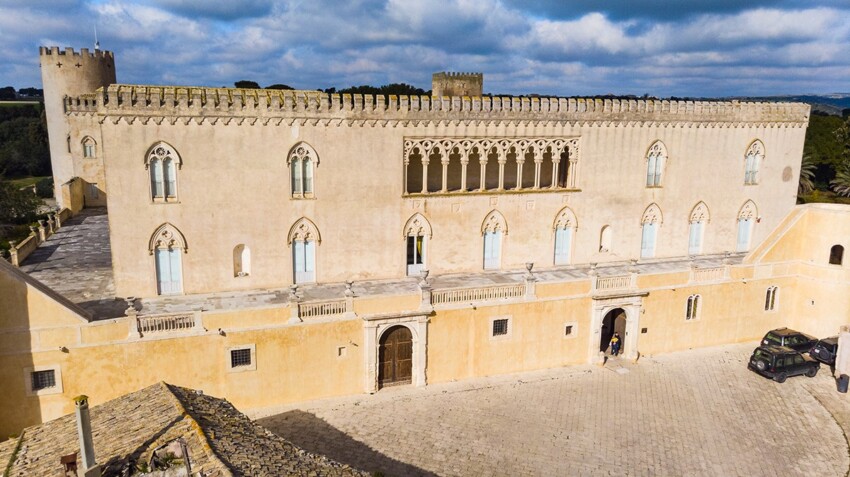
Castello di Donnafugata
A grand historic castle offering scale and drama,
suitable for ceremonial Indian weddings and gala receptions.
Rome
Historic grandeur & timeless elegance
Rome is ideal for couples seeking architectural grandeur,
historic villas, and a regal atmosphere for an Indian wedding in Italy.
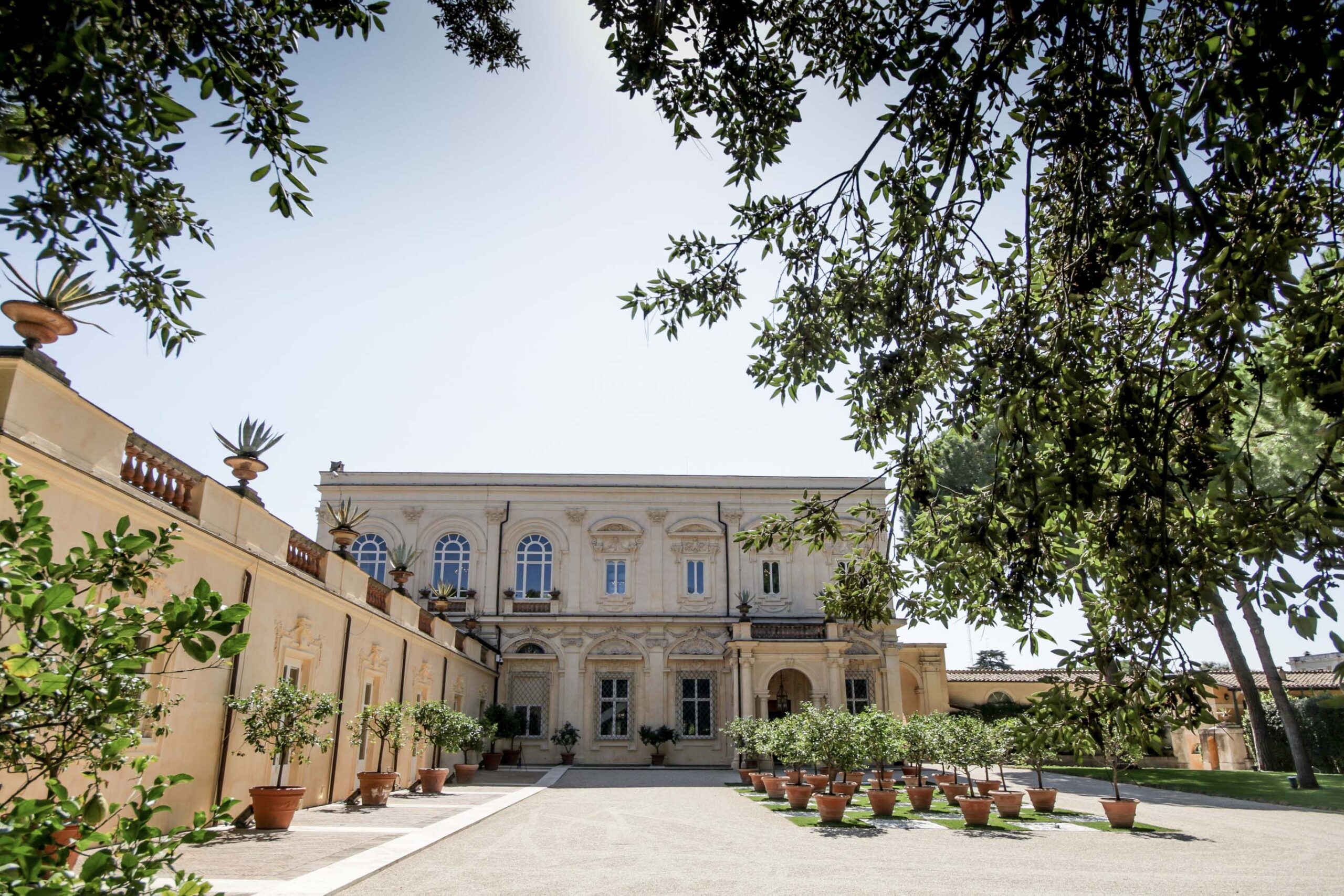
Villa Aurelia
A 17th-century villa with panoramic city views,
ideal for elegant pheras and formal evening receptions.
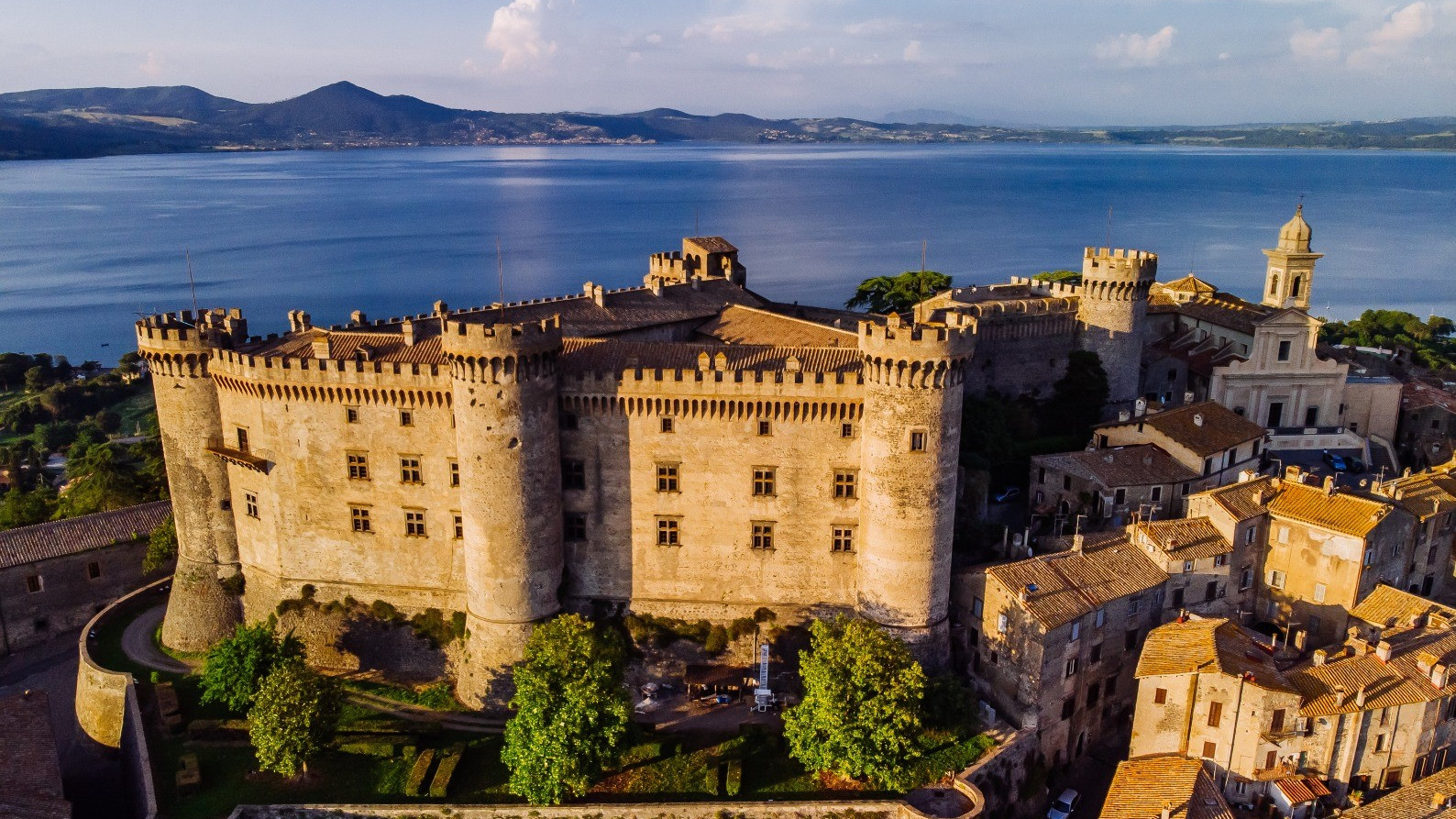
Castello Odescalchi
A dramatic lakeside castle near Rome,
perfect for large Indian weddings with ceremonial impact.
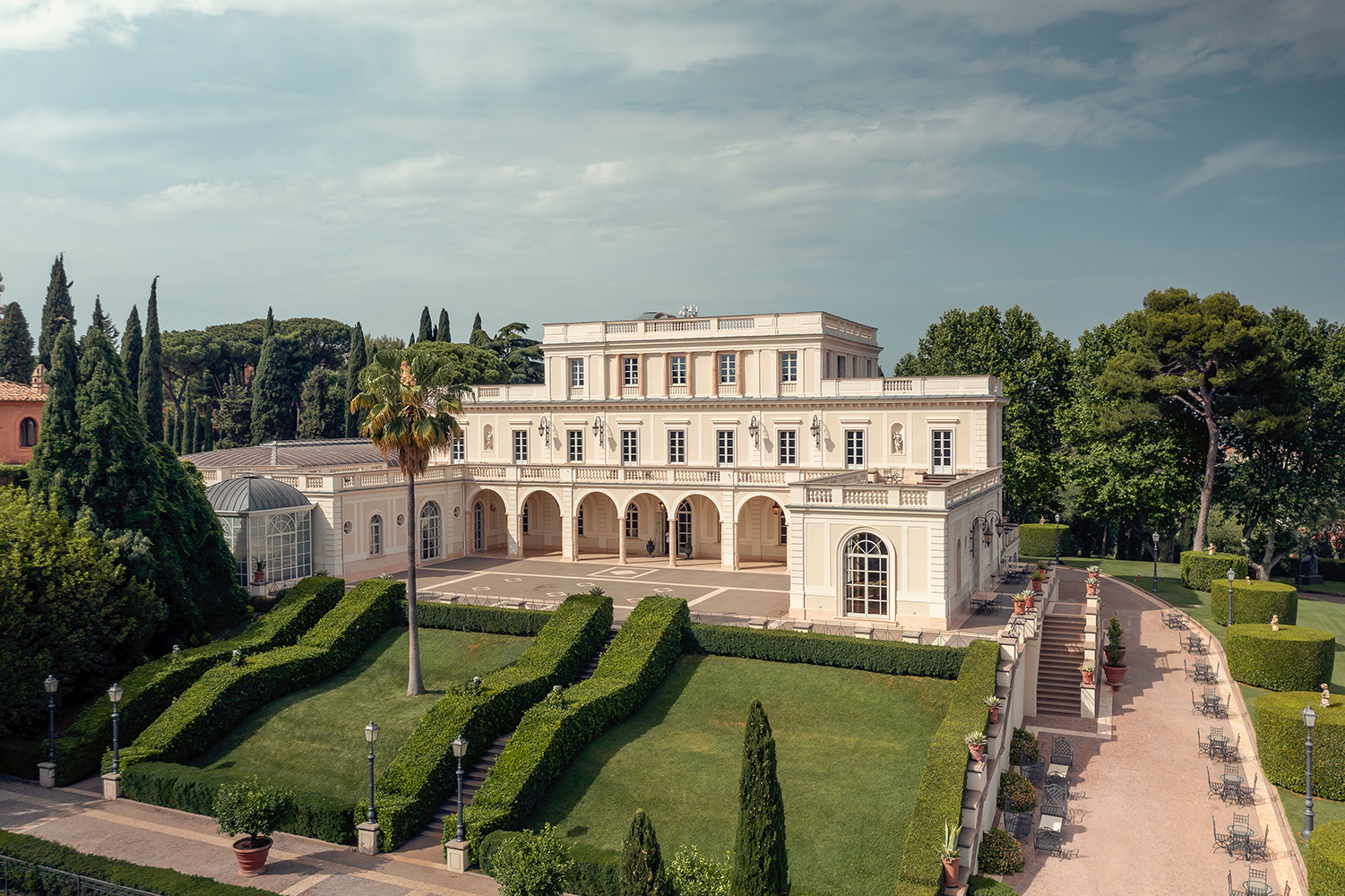
Villa Miani
Offering sweeping views over Rome,
this villa is ideal for refined ceremonies and stylish receptions.
Expert insight: Look for venues that can handle multiple events in one property. Separating ceremonies across locations adds stress and logistics complications.

Planning an Indian Wedding in Italy and you need help from an experienced photographer?
We are here to help you not only plan and exectue your Indian wedding in Italy but also capture the most special moments with our photography and videography services.
Step 3: Hiring an experienced Indian wedding planner
An expert planner is indispensable. I recommend choosing planners who:
- Understand Indian rituals and multi-day flow.
- Have trusted local vendor networks (flowers, catering, décor).
- Can coordinate dual-religion ceremonies or multi-faith traditions.
Indian wedding planner in Italy that we recommend: Best Indian Wedding Italy
Are you a planner and would like to work with us? Contact us now
Pro tip: Ask for references from previous Indian weddings in Italy — firsthand experience matters more than any online portfolio.


Step 4: Organizing the multi-day celebration
Indian weddings are immersive multi-day experiences. A typical itinerary:
- Day 1: Mehndi & Welcome Dinner – casual, intimate, colorful
- Day 2: Sangeet / Garba – high-energy music and dancing
- Day 3: Baraat & Main Ceremony – Hindu or Sikh, possibly dual-ceremony
- Day 4: Reception / Farewell Brunch – reflective, celebratory
Step 5: Photography & Videography considerations
Capturing an Indian wedding in Italy isn’t just about taking photos — it’s about storytelling. As someone who has documented dozens of Indian weddings, here’s my advice:
- Hire professionals experienced in Indian rituals and colors.
- Ensure coverage for multi-day celebrations.
- Communicate your vision early — especially for dual ceremonies or cultural nuances.

Indian Wedding Phographer Italy
Make sure to check how we work, more examples of our photography as well as pricing details
My opinion: A skilled photographer can anticipate key moments, like a bride’s expression during the Catholic vows, then capture the vibrant energy of the Hindu rituals later that day.
Step 6: Catering & Cuisin
Italian venues often provide local catering, but Indian weddings require authenticity:
- Consider flying in chefs or hiring local Indian caterers.
- Offer vegetarian and non-vegetarian options.
- Include cultural touches: chai stations, live dosa counters, traditional sweets.
My tip: Tasting sessions are critical — the right combination of Italian ingredients and Indian spices can wow your guests.
Step 7: Décor, Music & Entertainment
Your décor and entertainment should honor both cultures:
- Mandap setup with floral designs
- Lighting for evening Sangeet or Baraat
- DJs and live bands mixing Bollywood hits and contemporary tunes
Expert insight: For dual ceremonies, plan décor that can be adjusted quickly to reflect different rituals — saves time and ensures a seamless flow.


Step 8: Legal Requirements & Religious Ceremonies
Legal requirements often raise questions for couples planning an Indian wedding in Italy, but the process is usually more straightforward than expected — especially for destination weddings.
Many Indian weddings in Italy are symbolic ceremonies, meaning the legal marriage takes place either in the couple’s home country or through a civil ceremony at a different time. This approach offers flexibility and removes much of the paperwork complexity, allowing couples to focus on the celebration itself.
For those who wish to complete a legal civil marriage in Italy, documentation requirements vary depending on nationality and municipality. These typically include birth certificates, certificates of no impediment, and official translations. Because timelines and rules can change, working with a planner or local expert who understands Italian bureaucracy is strongly recommended.
Religious ceremonies such as Hindu or Sikh weddings are widely accepted in Italy when performed symbolically. The key is ensuring the venue permits the setup required for rituals, particularly fire ceremonies, which must comply with local safety regulations.
- Civil or Catholic ceremonies require registration with Italian authorities.
- Hindu or Sikh ceremonies are symbolic in Italy, with legal registration done in the home country.
- Dual-ceremony couples should coordinate translations, witnesses, and timing carefully.
My advice: Hire a planner familiar with Italian bureaucracy — it makes multi-religion weddings stress-free.
Step 9: Guest Logistics & Experience
- Choose airports and transfers carefully (Rome, Florence, Milan, Naples, Catania).
- Provide accommodation suggestions near the venue.
- Include activities: vineyard tours, sightseeing, or boat excursions.
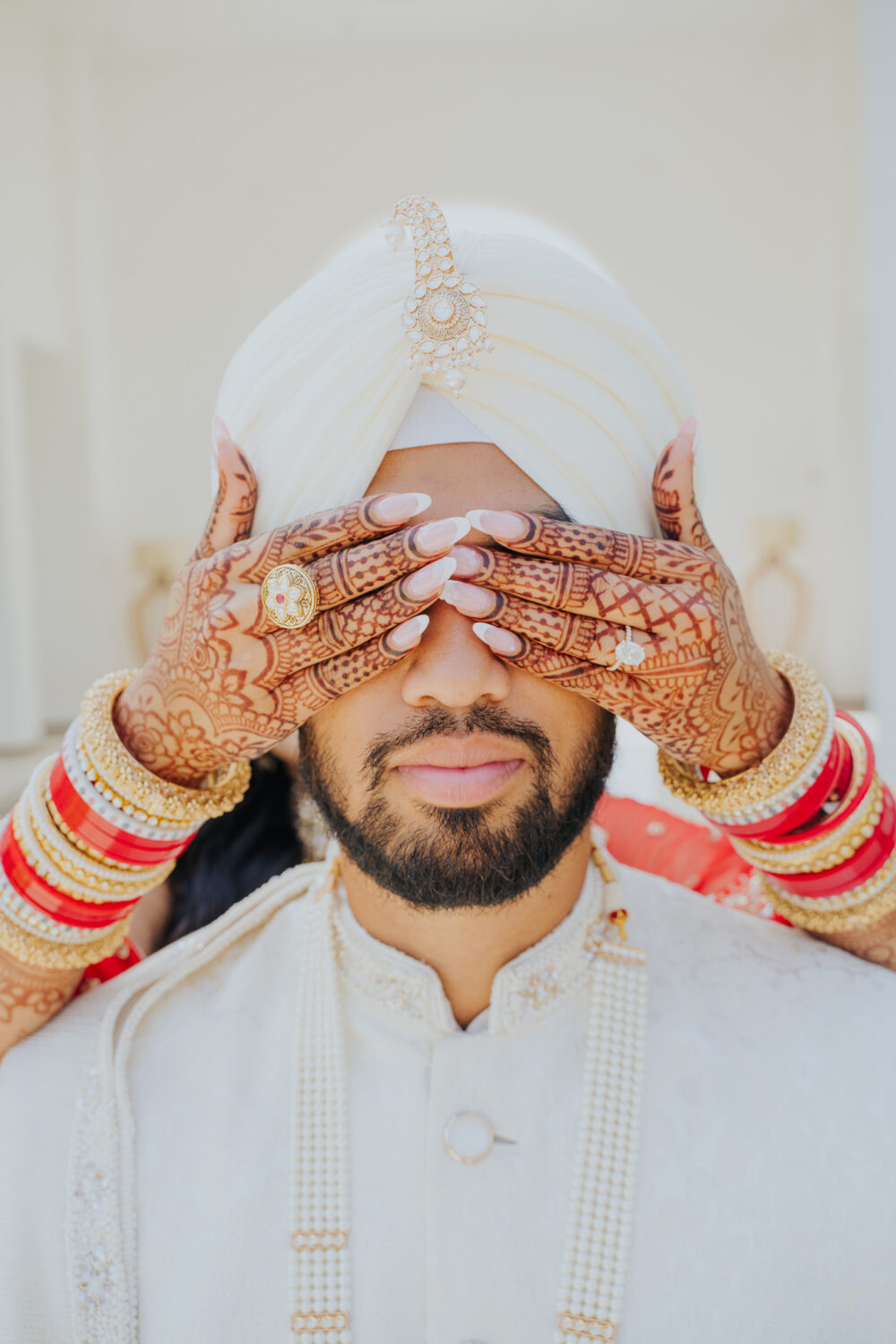
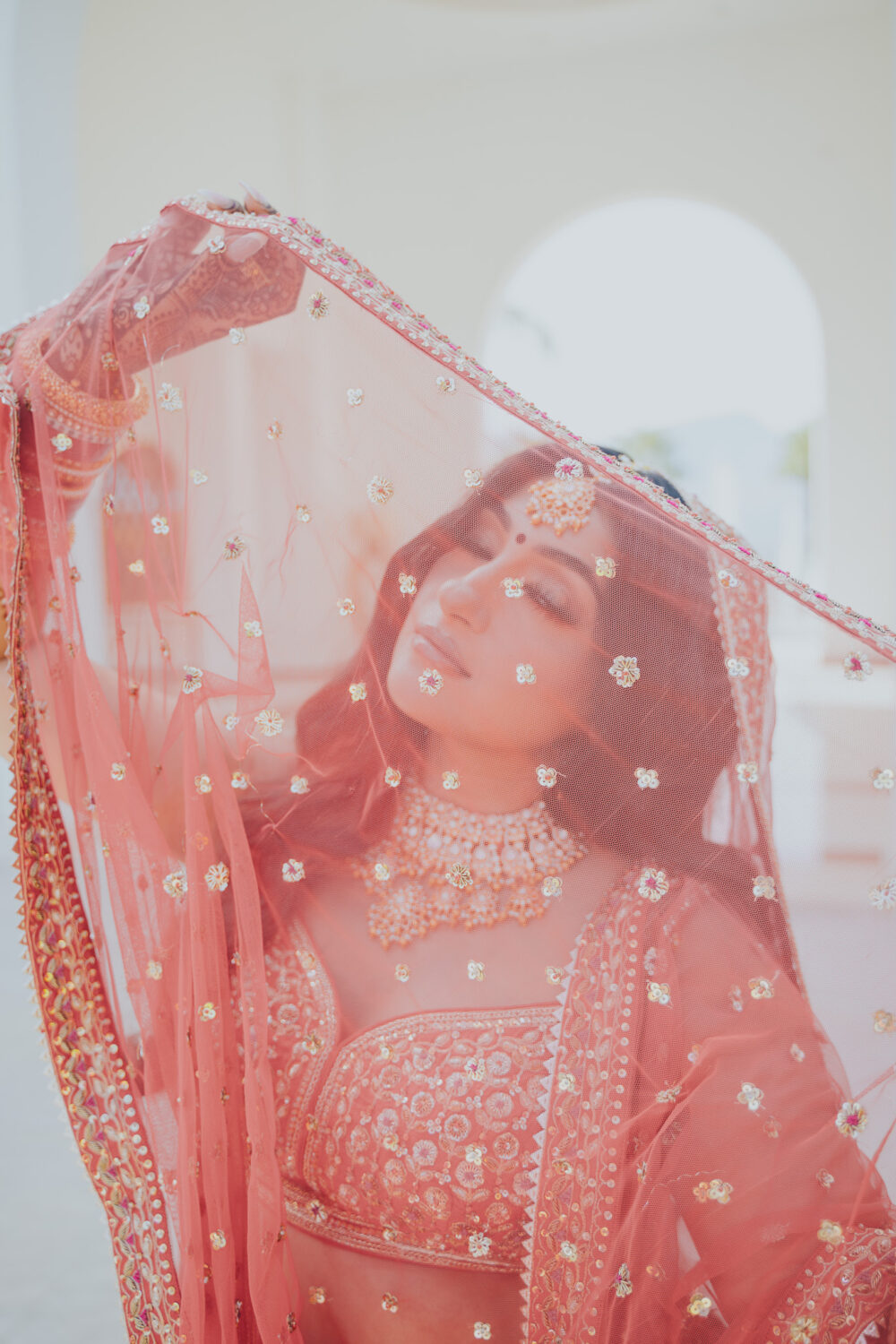
Case Study insight: At Carol & Karan’s wedding, pre-planned guest itineraries and private transfers made a 3-day celebration smooth and enjoyable for everyone.

Step 10: Timeline & Booking Recommendations
- 12–18 months: Venue & planner
- 8–10 months: Catering, décor, photography
- 6 months: Travel & accommodation
- 1 month: Final checks, pre-wedding photoshoot
Common Mistakes Couples Make When Planning an Indian Wedding in Italy
Underestimating Logistics & Travel Time
One of the most common challenges is underestimating distances and travel times between venues, hotels, and airports. Italian destinations may look close on a map, but winding roads and regional infrastructure can quickly impact schedules.
Building realistic timelines and minimizing daily travel makes a significant difference for both guests and vendors.
Ignoring Sound Restrictions & Local Regulations
Sound limits, fire regulations, and event curfews vary widely across Italy. Couples unfamiliar with these rules sometimes assume flexibility that doesn’t exist, leading to last-minute changes or reduced celebration hours.
Working with experienced local teams ensures expectations are aligned from the start.
Planning Too Many Venue Changes
While variety can be appealing, too many venue changes across multiple days often create unnecessary stress. Transport delays, setup limitations, and guest fatigue can detract from the experience.
Choosing fewer, well-suited venues often results in smoother logistics, better atmosphere, and a more enjoyable celebration for everyone involved.

Indian wedding in Sorrento
Make sure to check our recent work from the Amalfi Coast in Italy.
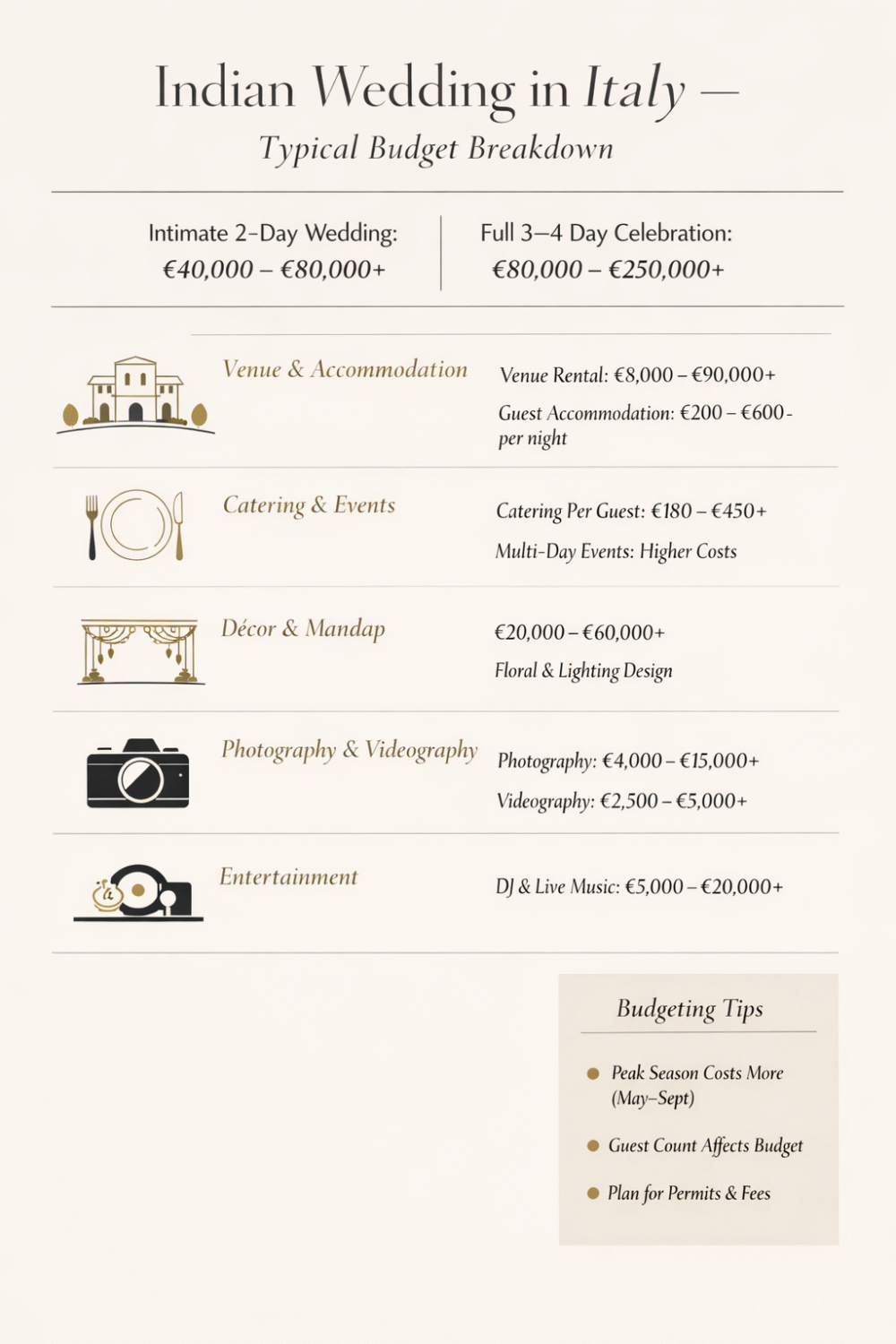
Indian Wedding Italy: Budget Breakdown
Budgeting for an Indian wedding in Italy means understanding a mix of local costs, cultural expectations, and the scale of your celebration. Because Indian weddings are typically multi-day events with several ceremonies and logistical layers, it’s important to plan realistically and early. Based on recent industry data and real destination weddings, here’s how you can expect costs to stack up for different elements of your wedding. loveitalyweddings.com+4Super Weddings+4theweddingtravelcompany.com+4
Typical Costs for Venues & Accommodation
Venue Rental & Estate Buyouts
- Smaller venues or intimate estates: €8,000 – €25,000+ per event or for day-use. Mosu Studio
- Villa with multi-day, private celebration access: €20,000 – €90,000+ depending on location, season, and guest count. Benni Carol Photography
- Luxury or iconic locations (Lake Como, Amalfi Coast, exclusive villas): often €40,000 – €100,000+ for 3-4 day events. theweddingtravelcompany.com
Guest Accommodation
- Many couples choose venues with on-site accommodation, but if separate hotels are needed, expect €200-600+ per night per room during peak season. cossuphotography.com
Overall Note: A typical destination wedding in Italy (not Indian-specific) averages around €30,000 – €60,000+ for 80-100 guests when you include venue, catering, photography, flowers, and planning. Weddings Abroad Guide
Catering & Multi-Day Event Budgets
Food and beverage for Indian weddings are often a significant part of the budget, especially when multiple meals, cultural menus, and large guest counts are involved:
- Catering ranges from roughly €180 – €450 per person, depending on the menu, drinks, and service level. Sicilian Wedding Day+1
- Multi-day festivities — sangeet, mehndi, wedding reception, and farewell brunch — each add to the total food & beverage cost.
💡 A medium-sized Indian wedding in Italy (100 guests, full weekend of events) often totals €75,000 – €100,000+ across venues, food, décor, and entertainment. Larger celebrations (150 – 200 guests) can exceed €150,000 – €250,000+ when luxury elements are included. the-extraordinaire.com+1
Décor, Mandap & Production Costs
Indian weddings are known for dramatic décor, elaborate mandaps, lighting, floral walls, and coordinated thematic elements.
- Full décor and mandap production commonly range between €20,000 – €60,000 depending on the scale and floral design complexity. loveitalyweddings.com
- Factors like fireworks, lighting design, furniture rentals, and thematic installations can push this higher, especially for luxury celebrations.
This is a key category where couples should build in flexibility — small changes can significantly shift the overall budget.
Photography, Videography & Entertainment
Capturing memories is a priority for most couples, and Italian wedding vendors for example indian wedding photographers in italy often charge premium rates for experienced teams:
- Photography: €4,000 – €15,000+ depending on hours, albums, and team size. loveitalyweddings.com
- Videography: €2,500 – €5,000+ (or bundled with photo). loveitalyweddings.com
- Entertainment (DJ, live musicians, dhol players): €5,000 – €20,000+ depending on lineup and technical production. loveitalyweddings.com
Italian celebration energy thrives on music and dance — budget accordingly.
| Category | Typical Price (EUR) |
|---|---|
| Venue Rental | €8,000 – €90,000+ |
| Catering (per person) | €180 – €450+ |
| Décor & Mandap | €20,000 – €60,000+ |
| Photography | €4,000 – €15,000+ |
| Videography | €2,500 – €5,000+ |
| Entertainment | €5,000 – €20,000+ |
| Full Wedding Weekend | €80,000 – €250,000+ |
A typical bufget breakdown for an Indian wedding in Italy
FAQs – Indian Wedding in Italy
How much does an Indian wedding in Italy cost?
Multi-day Indian weddings in Italy typically range between €80,000 and €200,000, depending on guest count, number of events, venue exclusivity, décor, and vendor selection. Larger luxury celebrations can exceed this range.
Can we have dual ceremonies (Hindu and Catholic) in Italy?
Yes. Dual ceremonies are absolutely possible with careful planning. Many venues and historic locations allow multi-religion setups, provided timings, logistics, and venue permissions are clearly coordinated in advance.
How many days should we plan for an Indian destination wedding in Italy?
Most Indian destination weddings in Italy span three to four days, allowing time for pre-wedding events, ceremonies, receptions, and a relaxed guest experience.
Do Italian venues allow open flames for Hindu wedding rituals?
Most venues allow symbolic fire ceremonies with the correct permits and safety arrangements. This should always be coordinated by an experienced planner familiar with local regulations.
What is the best season for an Indian wedding in Italy?
The most popular season is May to September, offering warm weather and long daylight hours. Spring and early autumn are often preferred for outdoor ceremonies and guest comfort.
Do we need to legally register our marriage in Italy?
No. Many couples choose a symbolic Indian wedding in Italy and complete the legal marriage in their home country. Legal civil ceremonies in Italy are possible but involve additional paperwork.
Are Indian caterers available in Italy?
Yes. Indian catering is available either through specialist European teams or by bringing chefs from abroad. This requires advance planning but is very common for Indian weddings in Italy.
Is Italy suitable for large Indian weddings with 150+ guests?
Yes, Italy is well suited for large Indian weddings, particularly in regions like Tuscany, Lake Como, and Puglia, where estate buyouts and on-site accommodation simplify logistics.
Case Study – Carol & Karan’s Indian Wedding at in Italy (Umbria)
Overview:
Carol & Karan’s celebration was a three-day Indian wedding in the heart of Umbria at the historic Castello Rosciano. What made it particularly special was the blend of dual ceremonies — a Catholic ceremony honoring Carol’s family tradition, and a Hindu ceremony honoring Karan’s heritage.

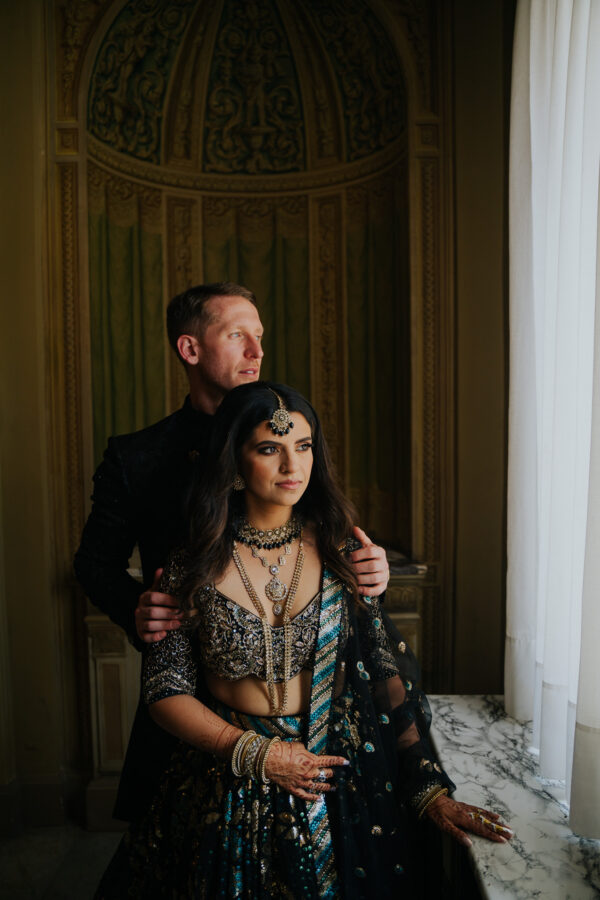
Photos of Carol and Karan´s Indian wedding in Italy
If you are curious on how we work on a wedding and what to expect in terms of results please make sure to check their wedding gallery
Day 1 – Mehndi & Welcome Dinner:
- Held at the castle’s garden terrace in the afternoon, the Mehndi ceremony was vibrant yet intimate.
- My insight: outdoor Italian gardens are perfect for Mehndi because they allow natural light for photography and space for traditional dance rituals.
- Coordination note: I worked with the planners to schedule the Mehndi before sunset so that the décor’s colors and floral setups popped on camera.
Day 2 – Sangeet & Baraat Prep:
- Evening Sangeet at the castle’s courtyard included live musicians and choreographed performances from family and friends.
- My insight: Sangeet nights in Italy require planning for sound permissions, timing with sunset, and backup rain plans. I advised the couple on lighting that would capture the energy without washing out the vibrant colors.
Day 3 – Dual Ceremonies (Catholic + Hindu):
- Morning Catholic ceremony in the castle chapel: small, elegant, perfect for capturing intimate moments like vows and family blessings.
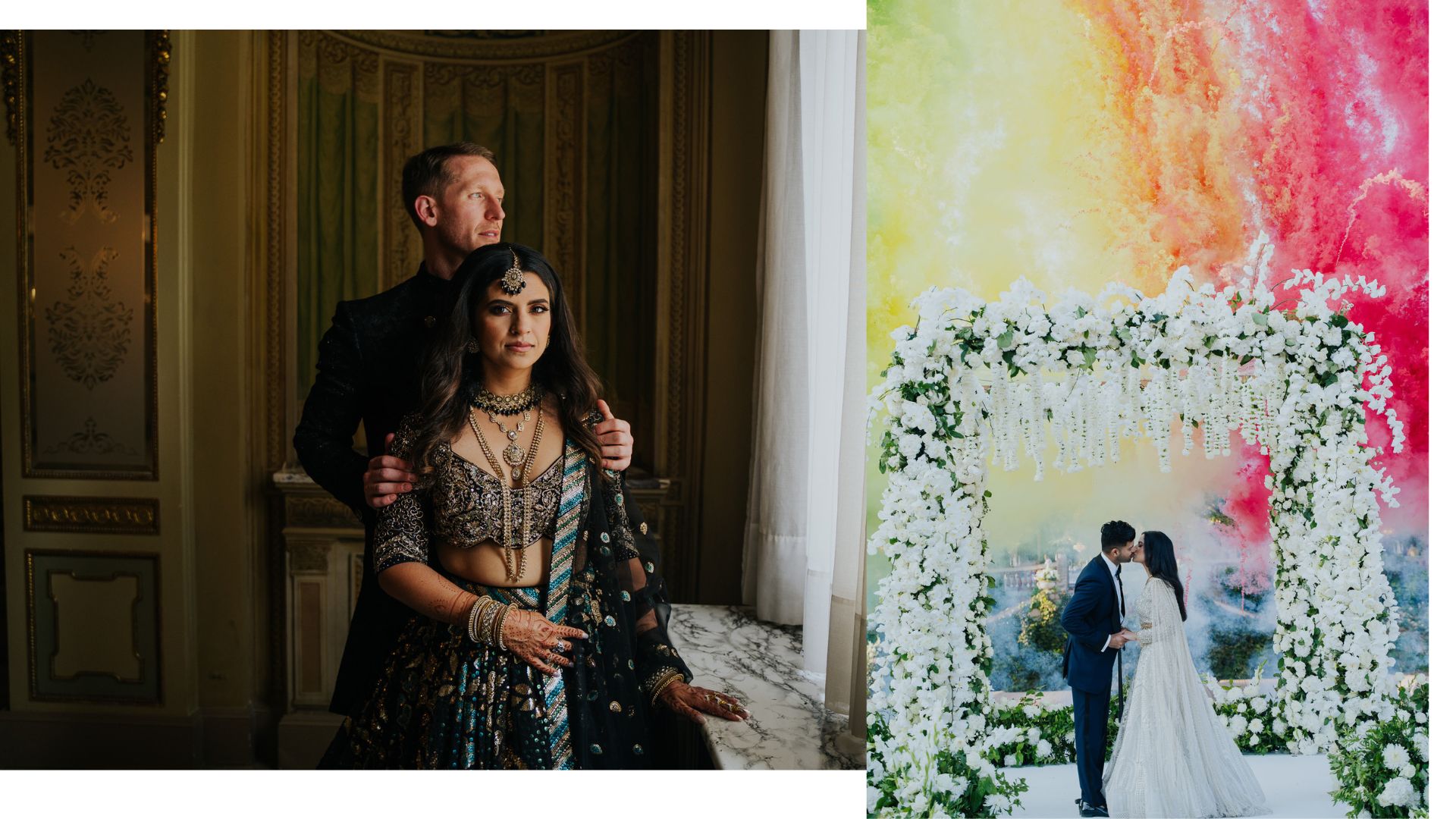
- Afternoon Hindu ceremony in the main courtyard: colorful mandap, fire rituals, traditional music, and Baraat procession.
- My insight: Capturing two very different ceremonies in one day is a logistical challenge. I coordinated with the videography team to cover both seamlessly, while ensuring minimal downtime for the couple. Timing, lighting, and vendor coordination were crucial.
- Lessons learned: Having one planner manage transitions between ceremonies is key to reducing stress. Multi-ceremony days benefit from staggered photography schedules and pre-arranged décor setups.
Reception & Fireworks:
- Evening reception included dinner, speeches, and a spectacular fireworks display.
- My insight: Fireworks over the castle terrace created dramatic photos and cinematic videography shots — planning the timing with the photographer ensures nothing is missed.
Key Takeaways for Couples Planning in Italy:
- Dual ceremonies are possible and beautiful if scheduled carefully with professional oversight.
- Venue selection matters more than you think — spaces that can host multiple ceremonies save time, stress, and costs.
- Lighting and photography planning is crucial — natural Italian light can enhance or hurt the visual story depending on timing.
- Vendor coordination is everything — multi-day Indian weddings require planners who understand cultural rituals deeply.


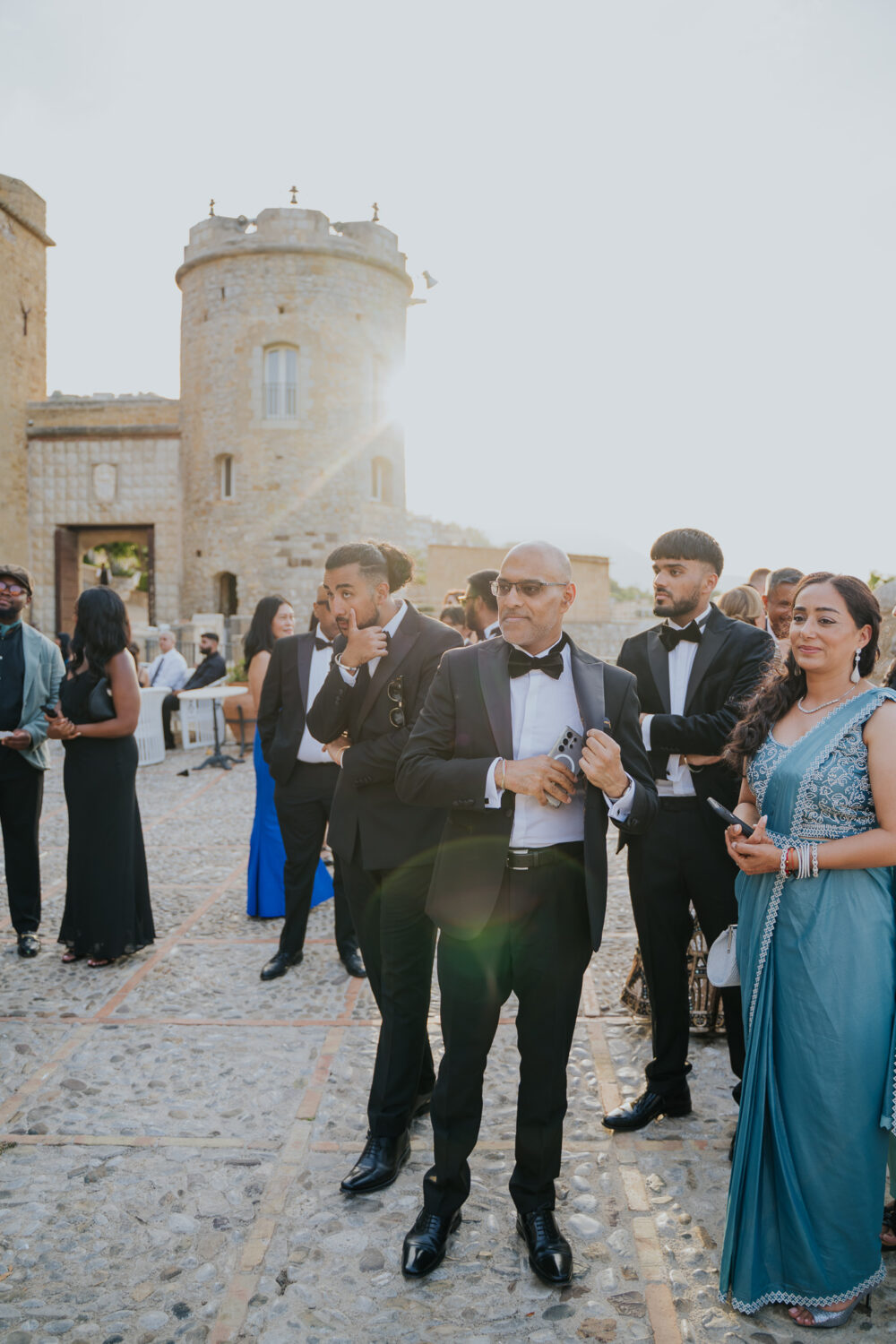
Case Study 2 – Tasha & Richard’s Indian Wedding in Italy (Sicily)
Overview:
Tasha & Richard celebrated a four-day Indian wedding in Sicily, blending Sikh traditions with a symbolic ceremony. The venues included Villa Cecilia for getting ready and pre-wedding events, Hotel Tonnara di Trabia for their Chura & Jaggo night, La Fenice Ricevimenti for the Sikh wedding ceremony, and Castello Lanza Branciforte di Trabia for the symbolic ceremony and evening reception.
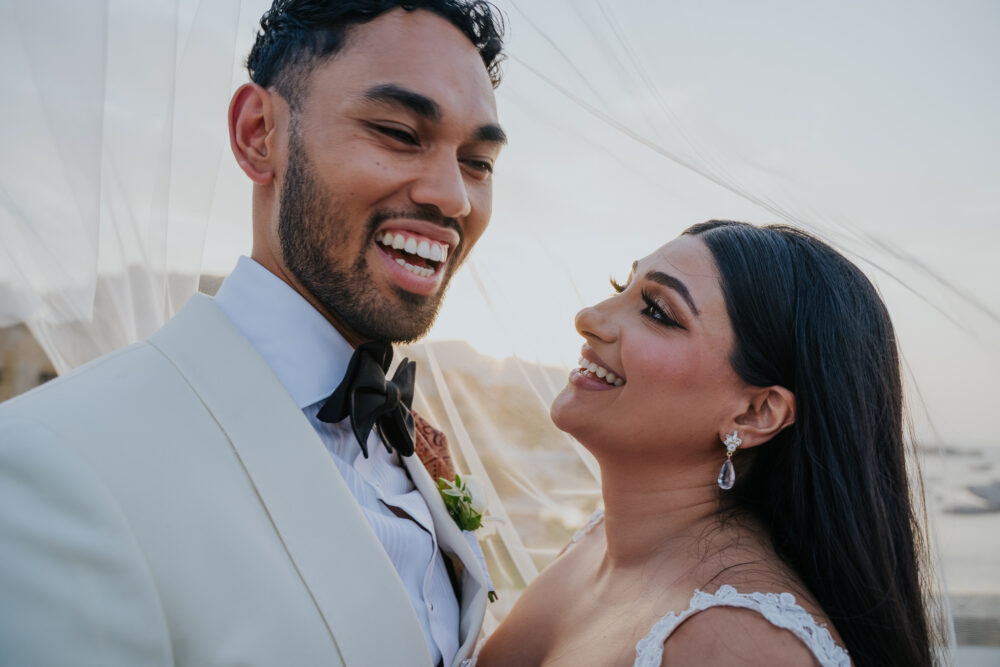
Photos of Tasha and Richard´s Indian wedding in Italy
Make sure to check the photos of yet another Indian wedding in Italy that we recently shot.
Day 1 – Bridal Mehndi & Pre-Wedding Ceremony:
- Held in the gardens of Villa Cecilia, the Mehndi featured vibrant floral décor and natural daylight photography.
- My insight: Pre-wedding events often set the tone for the wedding story. Documenting candid family moments and décor details early ensures the narrative is complete.
Day 2 – Chura & Jaggo Night:
- Evening celebration at Hotel Tonnara di Trabia with traditional music, dance, and rituals.
- My insight: Sicily’s coastal venues create incredible ambient light for evening events, but planning for sunset and night lighting is essential for both photography and videography.
Day 3 – Free Day / Guest Activities:
- A relaxed day allowed guests to explore the island.
- My insight: Including downtime in multi-day weddings ensures couples and families are refreshed for main ceremonies — it also allows for spontaneous photo opportunities.
Day 4 – Sikh Wedding Ceremony:
- Baraat started at 9:00am, followed by Milni and main rituals until lunch, then Doli at 2:00pm.
- My insight: Coordinating multiple events on the same day requires precise timing and close communication with planners and venue staff. Capturing cultural rituals authentically while managing flow is critical.
Day 5 – Symbolic Ceremony & Reception:
- Late afternoon ceremony at Castello Lanza Branciforte, followed by an evening reception with fireworks at 11:00pm.
- My insight: Fireworks and evening celebrations demand strategic lighting and camera placements. Planning ahead ensures unforgettable photos without disrupting the event.
Indian wedding in Italy Key Takeaways:
- Multi-day celebrations benefit from clear timelines and venue proximity.
- Cultural rituals must be captured with understanding and sensitivity.
- Photography planning is as important as event planning — anticipation of moments is key.

Indian Wedding in Italy – meet the expert
If you’re planning your own Indian wedding in Italy, me and my team would love to help you every step of the way — from planning guidance to capturing the magical moments.
Ever since 2015 me and my team in SuperWeddings we have covered over 400 weddings worldwide.
Indian weddings in Italy are a key part of our activity. Happy to provide value for you and recommend venues and other vendors if needed.
Feel free to contact us know and check our availability.
Further reading: Indian destinaiton wedding full guide
If you want to make sure you got all the boxes checked for your indian destination wedding than make sure to check our guide.

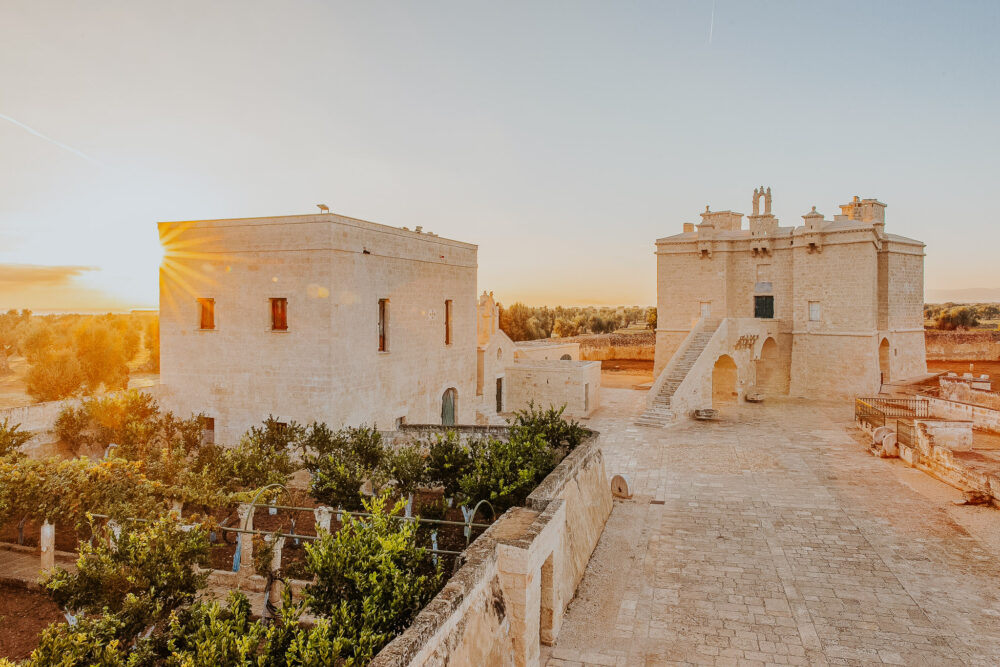
Would you like to see more Puglia wedding venues?
Contact me
SuperWeddings contact form.
"*" indicates required fields